
Troubleshooting a semi-trailer is a crucial skill for anyone involved in the transportation industry. As a semi-trailer supplier, I've seen firsthand the importance of being able to diagnose and resolve issues quickly and effectively. In this blog post, I'll share some common problems that semi-trailers can encounter and provide practical tips on how to troubleshoot them.
1. Electrical System Issues
The electrical system of a semi-trailer is responsible for powering various components such as lights, brakes, and sensors. Electrical problems can be frustrating and potentially dangerous if not addressed promptly.
Common Symptoms
- Non - functioning lights: This includes brake lights, turn signals, and running lights. If you notice that one or more lights are not working, it could be due to a blown fuse, a loose connection, or a faulty bulb.
- Faulty sensors: Semi - trailers are equipped with sensors for functions like tire pressure monitoring and anti - lock braking systems (ABS). A malfunctioning sensor can trigger warning lights on the dashboard and affect the overall performance of the trailer.
Troubleshooting Steps
- Check the fuses: Locate the fuse box on the trailer and visually inspect the fuses. If a fuse is blown, replace it with a new one of the same amperage.
- Inspect connections: Look for loose, corroded, or damaged electrical connections. Tighten any loose connections and clean corrosion using a wire brush and electrical contact cleaner.
- Test the bulbs: If a light is not working, remove the bulb and check for signs of damage such as a broken filament. Replace the bulb if necessary.
- Use a diagnostic tool: For sensor issues, a diagnostic tool can be used to read error codes and identify the source of the problem. Some advanced diagnostic tools can also perform system resets.
2. Brake System Problems
The brake system is one of the most critical components of a semi - trailer. Ensuring its proper functioning is essential for safety on the road.
Common Symptoms
- Soft or spongy brake pedal: This could indicate air in the brake lines, a leak in the hydraulic system, or worn brake pads.
- Uneven braking: If the trailer pulls to one side when braking, it may be due to uneven brake pad wear, a stuck caliper, or a problem with the brake adjustment.
- Excessive brake noise: Squealing, grinding, or rattling noises when braking can be a sign of worn brake pads, loose hardware, or damaged brake rotors.
Troubleshooting Steps
- Check for leaks: Inspect the brake lines, hoses, and connections for signs of fluid leakage. If a leak is detected, repair or replace the damaged component.
- Bleed the brakes: To remove air from the brake lines, a brake bleeding procedure is required. This involves opening the bleeder valves and allowing the air to escape while adding fresh brake fluid.
- Inspect the brake pads and rotors: Check the thickness of the brake pads and look for signs of wear. If the pads are worn beyond the recommended limit, replace them. Also, examine the brake rotors for damage such as scoring or warping.
- Adjust the brakes: If the braking is uneven, the brakes may need to be adjusted. This can be done by adjusting the slack adjusters on the brake drums.
3. Suspension and Axle Issues
The suspension and axles of a semi - trailer play a vital role in providing a smooth ride and supporting the weight of the load.
Common Symptoms
- Excessive bouncing or swaying: This can be caused by worn shock absorbers, damaged springs, or misaligned axles.
- Uneven tire wear: Uneven tire wear patterns, such as excessive wear on the inside or outside edges of the tires, can indicate alignment problems or issues with the suspension.
- Visible damage to the suspension components: Look for signs of cracks, bends, or other damage to the springs, shock absorbers, and axles.
Troubleshooting Steps
- Inspect the shock absorbers: Check the shock absorbers for leaks, damage, or signs of wear. If a shock absorber is faulty, replace it.
- Examine the springs: Look for broken or sagging springs. If a spring is damaged, it should be replaced to ensure proper suspension performance.
- Check the axle alignment: Misaligned axles can cause uneven tire wear and handling problems. Use a proper alignment tool to check and adjust the axle alignment if necessary.
- Inspect the tires: Check the tire pressure regularly and ensure that the tires are properly inflated. Rotate the tires at recommended intervals to promote even wear.
4. Trailer Body and Structure Problems
The trailer body and structure need to be in good condition to protect the cargo and maintain the integrity of the trailer.
Common Symptoms
- Cracks or holes in the trailer body: These can be caused by impacts, corrosion, or stress. Cracks and holes can compromise the structural integrity of the trailer and lead to further damage.
- Loose or damaged panels: Panels that are loose or damaged can create noise, allow water to enter the trailer, and affect the aerodynamics of the vehicle.
- Problems with the doors and hinges: Difficulties in opening or closing the doors, or loose hinges, can make it challenging to load and unload cargo.
Troubleshooting Steps
- Repair cracks and holes: Depending on the severity of the damage, cracks and holes can be repaired using welding, patching, or fiberglass reinforcement.
- Secure or replace panels: Tighten loose panels and replace any damaged panels to ensure a secure and weather - tight trailer body.
- Lubricate and adjust doors and hinges: Apply lubricant to the hinges and adjust them if necessary to ensure smooth operation of the doors.
5. Coupling and Fifth - Wheel Issues
The coupling between the tractor and the semi - trailer is crucial for safe towing.
Common Symptoms
- Difficulty in coupling or uncoupling: This can be due to misalignment, dirt or debris in the coupling mechanism, or a faulty locking mechanism.
- Excessive play in the coupling: If there is too much play between the tractor and the trailer, it can cause handling problems and increase the risk of accidents.
- Leaking air or hydraulic fluid from the coupling: This may indicate a problem with the seals or connections in the coupling system.
Troubleshooting Steps
- Clean the coupling surfaces: Remove any dirt, debris, or rust from the coupling surfaces to ensure a proper connection.
- Check the locking mechanism: Inspect the locking mechanism for damage or wear. If it is not functioning correctly, repair or replace it.
- Adjust the coupling height: Ensure that the coupling height is properly adjusted to match the tractor's fifth - wheel. This can help prevent excessive play and ensure a secure connection.
- Inspect the seals and connections: Look for signs of leakage and replace any damaged seals or connections.
The Importance of Regular Maintenance
Regular maintenance is the key to preventing many of the problems mentioned above. By following a scheduled maintenance program, you can catch potential issues early and avoid costly breakdowns. Some recommended maintenance tasks include:
- Regular inspections: Conduct visual inspections of the trailer before each trip and perform more comprehensive inspections at regular intervals.
- Lubrication: Keep all moving parts properly lubricated to reduce friction and wear.
- Tire maintenance: Check tire pressure, tread depth, and condition regularly. Rotate the tires as recommended.
- Fluid checks and changes: Regularly check and change the brake fluid, hydraulic fluid, and other fluids as per the manufacturer's recommendations.
Conclusion
Troubleshooting a semi - trailer requires a combination of knowledge, experience, and the right tools. By being familiar with the common problems and their solutions, you can keep your semi - trailer in good working condition and ensure safe and efficient transportation.
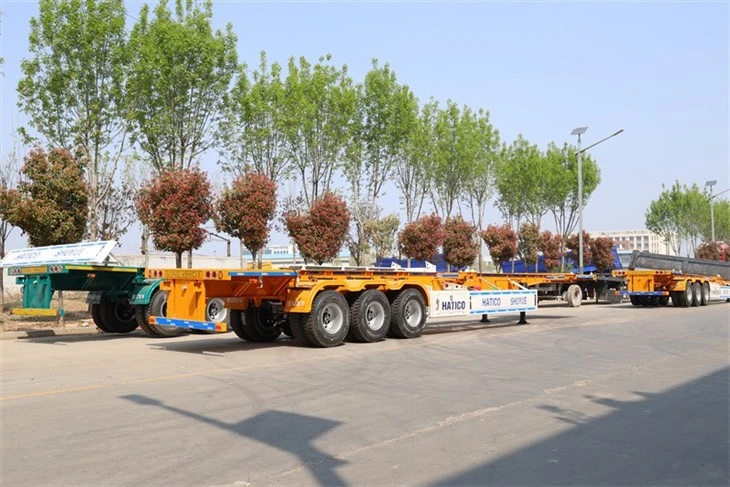
If you are in the market for a high - quality semi - trailer, we are here to help. We offer a wide range of semi - trailers, including the Skeleton Transport Semi-trailer. Our trailers are built to the highest standards and are designed to meet the diverse needs of the transportation industry.
If you have any questions or would like to discuss your trailer requirements, please feel free to reach out to us. We look forward to the opportunity to work with you and provide you with the best semi - trailer solutions.

References
- "Commercial Vehicle Maintenance and Repair Manual" by the Commercial Vehicle Training Association.
- "Trailer Troubleshooting Guide" published by a leading semi - trailer manufacturer.


