

Can I use trailer accessories in saltwater environments? That's a question I get asked a lot as a supplier of trailer accessories. And let me tell you, it's not a simple yes or no answer. There are a bunch of factors to think about, and in this blog, I'm gonna break it all down for you.
First off, let's talk about why saltwater can be such a pain for trailer accessories. Saltwater is highly corrosive. The salt in the water speeds up the oxidation process, which means your metal parts will rust and corrode way faster than they would in regular freshwater. And corrosion isn't just an aesthetic issue. It can seriously compromise the structural integrity of your trailer accessories, making them less reliable and potentially dangerous.
Take Built-in Support Legs for example. These are crucial for keeping your trailer stable when it's parked or loaded. If they're exposed to saltwater regularly, the salt can eat away at the metal, weakening the legs over time. Eventually, they might not be able to support the weight of the trailer properly, which could lead to some pretty serious accidents.
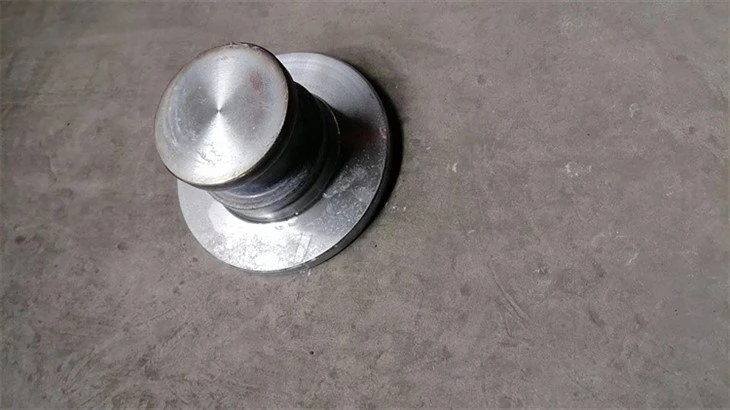

Similarly, Semi-trailer King Pin is another important part that can be affected by saltwater. This pin connects the semi-trailer to the tractor unit, and any corrosion here can cause the connection to become loose or unstable. That's definitely not something you want when you're on the road, hauling heavy loads.
And then there are Air Brake Tanks. These are essential for your trailer's braking system. Saltwater corrosion can cause leaks in the tanks, which means your brakes might not work as effectively. And we all know how important it is to have reliable brakes when you're driving a trailer.
But here's the good news. Just because saltwater is bad for trailer accessories doesn't mean you can't use them in saltwater environments. There are ways to protect your accessories and make them more resistant to corrosion.
One of the most effective ways is to use accessories that are made from corrosion-resistant materials. For example, some companies make trailer parts out of stainless steel or aluminum. These metals are much more resistant to saltwater corrosion than regular steel. So, if you're planning to use your trailer in saltwater areas, it might be worth investing in accessories made from these materials.
Another option is to apply a protective coating to your accessories. There are various types of coatings available, such as paint, powder coating, or galvanization. These coatings act as a barrier between the metal and the saltwater, preventing the salt from coming into direct contact with the metal and causing corrosion. Make sure to choose a high-quality coating that is specifically designed for use in marine environments.
Regular maintenance is also key. After each use in saltwater, you should thoroughly rinse your trailer accessories with fresh water. This will help remove any salt residue that might be on the surface. You can also use a mild detergent to clean the parts, but make sure to rinse them well afterward to remove all the soap. And don't forget to dry the accessories completely to prevent water from sitting on the metal and causing corrosion.
It's also a good idea to inspect your trailer accessories regularly for signs of corrosion. Look for any rust spots, discoloration, or damage. If you notice any problems, address them as soon as possible. You might be able to fix minor corrosion issues by sanding the affected area and applying a new coating. But for more severe damage, you might need to replace the part.
Now, let's talk about some specific trailer accessories and their suitability for saltwater environments.
Hitch and Couplers
The hitch and couplers are what connect your trailer to your vehicle. These parts are often made of steel, which is prone to corrosion in saltwater. To protect them, you can use a hitch cover or apply a corrosion-resistant grease. Some manufacturers also offer hitch and couplers that are made from stainless steel or have a special corrosion-resistant coating.
Wheels and Tires
The wheels and tires on your trailer are also exposed to saltwater, especially if you're driving on a beach or near the ocean. Saltwater can damage the wheel rims, causing them to corrode and lose their structural integrity. To prevent this, you can clean the wheels regularly and apply a wheel protectant. And make sure to check the tire pressure regularly, as saltwater can cause the rubber to deteriorate faster.
Electrical Components
Electrical components on your trailer, such as lights and wiring, can also be affected by saltwater. Saltwater can cause the electrical connections to corrode, leading to electrical problems. To protect your electrical components, you can use waterproof connectors and covers. And make sure to inspect the wiring regularly for any signs of damage.
In conclusion, while using trailer accessories in saltwater environments can be challenging, it's definitely possible. By choosing the right materials, applying protective coatings, and performing regular maintenance, you can keep your accessories in good condition and ensure their reliability.
If you're in the market for trailer accessories that are suitable for saltwater environments, I'm here to help. I've got a wide range of high-quality accessories that are designed to withstand the harsh conditions of saltwater. Whether you need Built-in Support Legs, Semi-trailer King Pin, or Air Brake Tanks, I've got you covered. Just get in touch for a chat about your requirements, and let's see how we can meet your trailer accessory needs.
References
- "Corrosion in Marine Environments." Handbook of Corrosion Engineering.
- Manufacturer brochures on trailer accessories and their resistance to saltwater corrosion.


