

Can lifting air suspension be used on a daily-driven vehicle? This is a question that many vehicle owners and enthusiasts often ponder. As a supplier of lifting air suspension, I have in-depth knowledge of this product and its potential applications. In this blog, I will explore the feasibility and benefits of using lifting air suspension on daily-driven vehicles.
Understanding Lifting Air Suspension
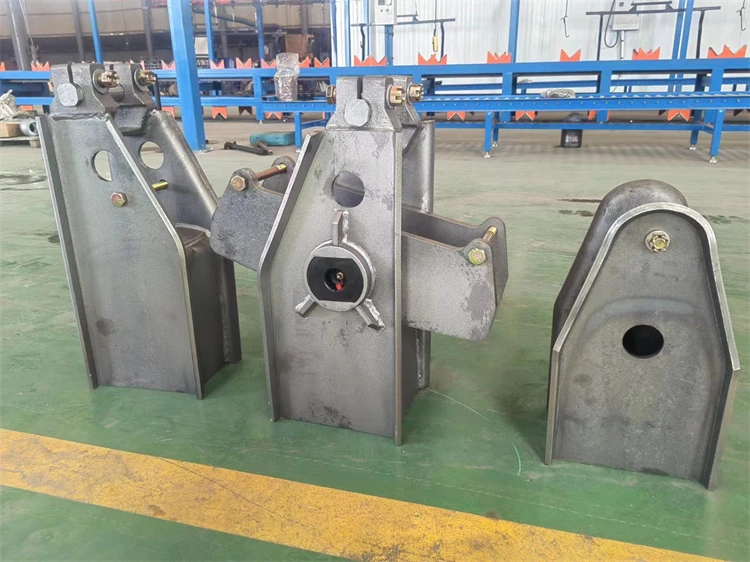
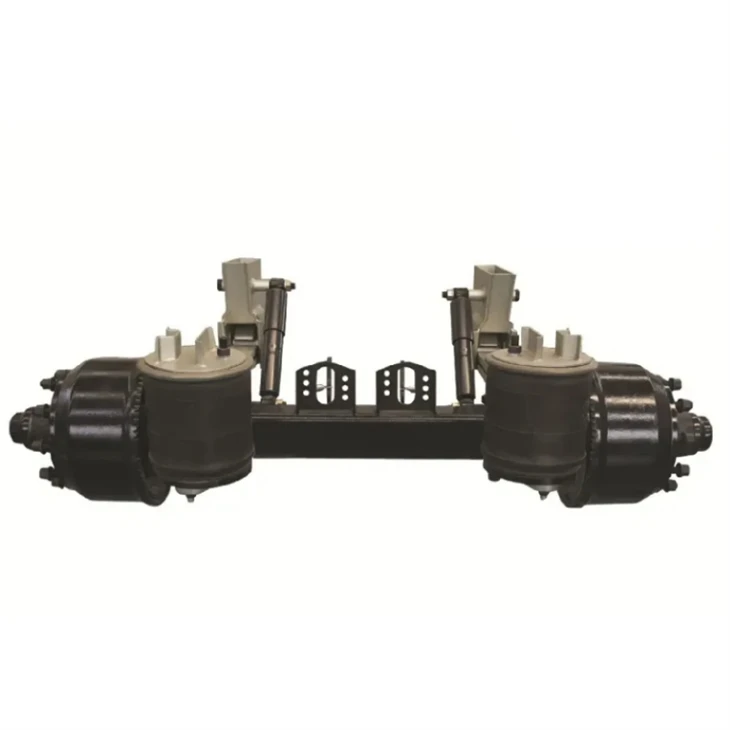
Before delving into its use on daily-driven vehicles, let's first understand what lifting air suspension is. Lifting air suspension is a type of suspension system that uses air springs instead of traditional coil or leaf springs. These air springs can be inflated or deflated to adjust the vehicle's ride height. The Lifting Air Suspension technology offers several advantages over conventional suspension systems, including improved ride comfort, adjustability, and load-carrying capacity.
One of the key features of lifting air suspension is its ability to raise or lower the vehicle. This can be particularly useful in various situations. For example, when driving on rough or uneven terrain, raising the vehicle's height can provide additional ground clearance, reducing the risk of damage to the undercarriage. On the other hand, lowering the vehicle can improve aerodynamics and handling at high speeds.
Advantages of Using Lifting Air Suspension on Daily-Driven Vehicles
1. Enhanced Ride Comfort
One of the primary benefits of using lifting air suspension on a daily-driven vehicle is the improved ride comfort. Air springs are more flexible than traditional springs, which allows them to absorb shocks and vibrations more effectively. This results in a smoother and more comfortable ride, especially on bumpy roads. Whether you're commuting to work or taking a long road trip, the enhanced ride comfort can make your journey more enjoyable.
2. Adjustable Ride Height
The ability to adjust the ride height is another significant advantage. In urban driving, you can lower the vehicle to improve fuel efficiency and handling. When you encounter a speed bump or a steep driveway, you can quickly raise the vehicle to avoid scraping the bottom. This adjustability also comes in handy when loading or unloading heavy items. You can lower the vehicle to make it easier to access the trunk or cargo area.
3. Load-Carrying Capacity
Lifting air suspension can also increase the vehicle's load-carrying capacity. By adjusting the air pressure in the air springs, you can compensate for the additional weight of passengers or cargo. This means that you can carry more without sacrificing ride quality or handling. Whether you're hauling groceries, furniture, or towing a trailer, the lifting air suspension can provide the support you need.
4. Improved Off-Road Performance
If you occasionally take your daily-driven vehicle off-road, lifting air suspension can significantly enhance its off-road performance. By raising the vehicle's height, you can navigate through rough terrain, such as mud, rocks, or sand, with greater ease. The increased ground clearance also reduces the risk of getting stuck or damaging the vehicle.
Considerations for Using Lifting Air Suspension on Daily-Driven Vehicles
While there are many advantages to using lifting air suspension on daily-driven vehicles, there are also some considerations to keep in mind.
1. Cost
Lifting air suspension systems are generally more expensive than traditional suspension systems. The initial purchase price, installation costs, and maintenance expenses can add up. However, it's important to consider the long-term benefits and the value that the system provides. If you value ride comfort, adjustability, and improved performance, the investment may be worth it.
2. Complexity
Lifting air suspension systems are more complex than traditional suspension systems. They require additional components, such as air compressors, valves, and sensors. This complexity can increase the likelihood of mechanical failures. However, with proper maintenance and regular inspections, these risks can be minimized.
3. Compatibility
Not all vehicles are suitable for lifting air suspension. Before installing a lifting air suspension system, it's important to ensure that it is compatible with your vehicle's make, model, and year. Some vehicles may require modifications to the frame or other components to accommodate the system.
Real-World Examples
To illustrate the practicality of using lifting air suspension on daily-driven vehicles, let's look at some real-world examples.
1. SUVs and Crossovers
SUVs and crossovers are popular daily-driven vehicles that can benefit from lifting air suspension. These vehicles are often used for a variety of purposes, including commuting, family trips, and light off-roading. The adjustable ride height of lifting air suspension allows SUVs and crossovers to adapt to different driving conditions. For example, during the winter months, the vehicle can be raised to navigate through snow and ice more easily.
2. Luxury Sedans
Luxury sedans are known for their comfort and performance. Lifting air suspension can further enhance these qualities. By providing a smoother ride and adjustable ride height, lifting air suspension can make luxury sedans even more appealing to drivers. Additionally, the ability to lower the vehicle at high speeds can improve aerodynamics and fuel efficiency.
Conclusion
In conclusion, lifting air suspension can be a viable option for daily-driven vehicles. It offers numerous advantages, including enhanced ride comfort, adjustable ride height, increased load-carrying capacity, and improved off-road performance. While there are some considerations, such as cost, complexity, and compatibility, the benefits often outweigh the drawbacks.
If you're interested in learning more about lifting air suspension or are considering installing it on your daily-driven vehicle, I encourage you to explore our Lifting Air Suspension products. We also offer a wide range of Air Suspension and Heavy Machinery Suspension solutions. Our team of experts is ready to assist you in finding the right suspension system for your needs. Contact us today to start the procurement discussion and take your vehicle's performance to the next level.
References
- "Automotive Suspension Systems" by John C. Dixon
- "Fundamentals of Vehicle Dynamics" by Thomas D. Gillespie


