

Can lifting air suspension be used on a trailer? This is a question that many trailer owners and operators often ask. As a supplier of lifting air suspension, I am here to provide you with a comprehensive answer based on scientific facts and practical experience.
Understanding Lifting Air Suspension
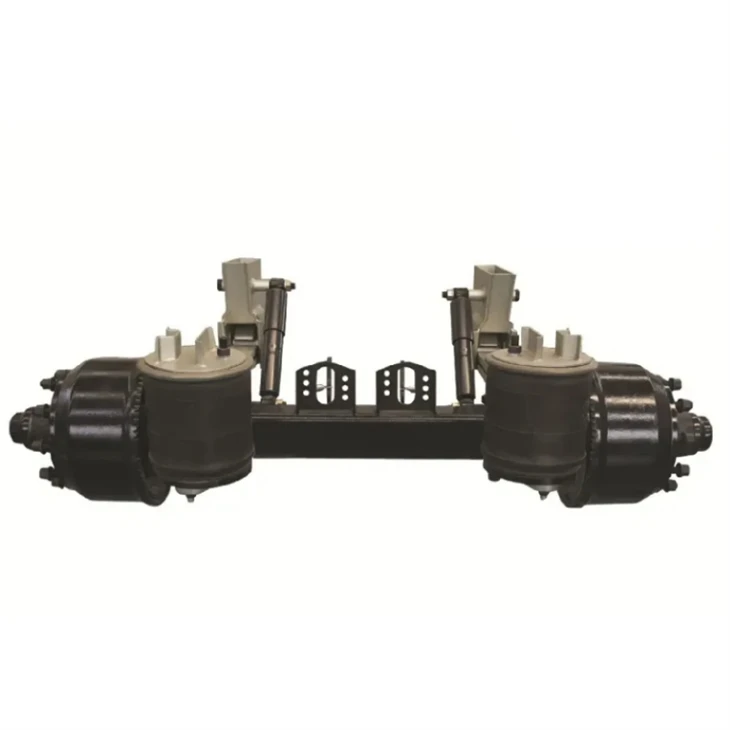
Before delving into whether lifting air suspension can be used on a trailer, it's essential to understand what lifting air suspension is. Lifting air suspension is a type of suspension system that uses air springs to support the vehicle's weight. What sets it apart from traditional suspension systems is its ability to adjust the height of the vehicle. This is achieved by inflating or deflating the air springs, which can be controlled either manually or automatically.
The main advantage of lifting air suspension is its versatility. It allows for easy adjustment of the trailer's ride height, which can be beneficial in various situations. For example, when the trailer is empty, the suspension can be raised to increase ground clearance, reducing the risk of damage when driving over rough terrain. Conversely, when the trailer is loaded, the suspension can be lowered to improve stability and handling.
Compatibility with Trailers
The short answer is yes, lifting air suspension can be used on a trailer. In fact, it offers several benefits that make it an attractive option for trailer applications.
Improved Load Distribution
One of the key advantages of using lifting air suspension on a trailer is improved load distribution. When a trailer is loaded unevenly, it can cause excessive wear and tear on certain parts of the suspension system, leading to premature failure. Lifting air suspension can help to distribute the load more evenly across all axles, reducing stress on individual components and extending the lifespan of the suspension.
Enhanced Maneuverability
Another benefit of lifting air suspension is enhanced maneuverability. By adjusting the ride height of the trailer, it becomes easier to navigate tight turns and narrow spaces. This is particularly useful in urban areas or when operating in confined yards.
Reduced Tire Wear
Lifting air suspension can also help to reduce tire wear. When the trailer is loaded, the air springs can be adjusted to ensure that all tires are in contact with the road surface, distributing the weight evenly and reducing the risk of uneven tire wear. This can result in significant cost savings over the life of the tires.
Improved Ride Quality
Finally, lifting air suspension can provide a smoother and more comfortable ride. The air springs absorb shocks and vibrations more effectively than traditional suspension systems, reducing the impact of bumps and potholes on the trailer and its contents. This is especially important for trailers carrying sensitive or fragile cargo.
Considerations for Using Lifting Air Suspension on Trailers
While lifting air suspension offers many benefits for trailer applications, there are also some considerations to keep in mind.
Cost
One of the main drawbacks of lifting air suspension is its cost. Compared to traditional suspension systems, lifting air suspension is generally more expensive to purchase and install. However, it's important to consider the long-term benefits and cost savings that it can provide, such as reduced maintenance and tire replacement costs.
Complexity
Lifting air suspension systems are more complex than traditional suspension systems, which means they require more maintenance and servicing. It's important to have a qualified technician perform regular inspections and maintenance to ensure that the system is functioning properly.
Compatibility with Existing Trailers
Not all trailers are suitable for lifting air suspension. Before installing a lifting air suspension system, it's important to ensure that the trailer is compatible with the system. This may require modifications to the trailer's frame or axles, which can add to the cost and complexity of the installation.

Conclusion
In conclusion, lifting air suspension can be a valuable addition to a trailer, offering improved load distribution, enhanced maneuverability, reduced tire wear, and a smoother ride. However, it's important to consider the cost, complexity, and compatibility of the system before making a decision.
As a supplier of Lifting Air Suspension, we have extensive experience in providing high-quality suspension solutions for trailers. Our products are designed to meet the specific needs of trailer applications, offering reliable performance and long-lasting durability.
If you are considering using lifting air suspension on your trailer, we encourage you to contact us to discuss your requirements. Our team of experts can provide you with more information about our products and services, and help you determine the best solution for your trailer. Whether you are looking for a new suspension system or need to upgrade an existing one, we are here to help.
References
- "Trailer Suspension Systems: A Comprehensive Guide." Trailer Magazine, [Publication Date].
- "Benefits of Air Suspension in Trailers." Heavy Duty Trucking, [Publication Date].
- "Lifting Air Suspension: How It Works and Why It Matters." Automotive Engineering International, [Publication Date].


