

The recovery time from a linkage leg injury can vary significantly depending on several factors, including the severity of the injury, the treatment methods employed, and the individual's overall health condition. As a supplier of linkage legs, I've had the opportunity to interact with many customers who've faced issues related to their equipment's linkage legs. Understanding the recovery process is crucial not only for those directly involved in the repair but also for those who rely on the proper functioning of these components.
Factors Affecting Recovery Time
Severity of the Injury
The most significant factor influencing recovery time is the severity of the linkage leg injury. Minor damages, such as small cracks or surface wear, can often be repaired relatively quickly. In some cases, these minor issues can be fixed within a few hours to a day. For instance, if there's a small crack in the linkage leg that doesn't compromise its structural integrity, a simple welding repair might be sufficient. This type of repair can typically be completed by a skilled technician in a short period, allowing the equipment to be back in operation soon.
On the other hand, severe injuries, such as a complete break or significant deformation of the linkage leg, can take much longer to repair. A broken linkage leg may require the replacement of the entire component, which involves more complex procedures. First, the damaged leg needs to be carefully removed from the equipment, which can be time - consuming, especially if the leg is integrated with other parts of the machinery. Then, a new linkage leg needs to be sourced, and if it's a specialized part, it may take some time to obtain. Installation of the new leg also requires precision to ensure proper alignment and functionality. This process can take several days to even weeks, depending on the availability of parts and the complexity of the installation.

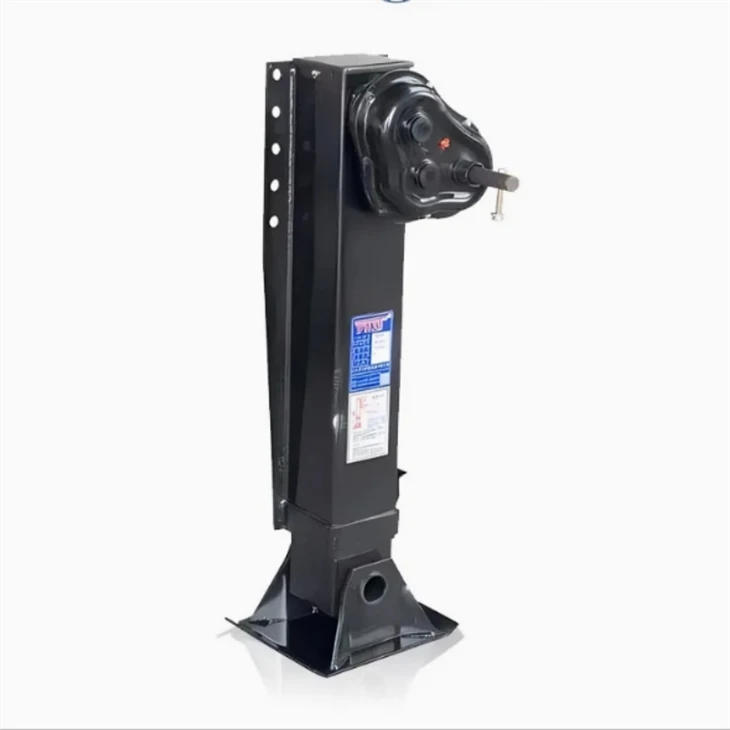
Treatment Methods
The treatment methods chosen for the linkage leg injury also play a crucial role in determining the recovery time. There are two main approaches: repair and replacement.
Repairing a damaged linkage leg can be a cost - effective option for minor to moderate injuries. However, the repair process can be time - consuming, especially if it involves multiple steps. For example, if the leg has suffered corrosion in addition to a crack, the repair may start with the removal of the corroded material, followed by the welding of the crack, and then surface treatment to prevent future corrosion. Each of these steps requires specific tools and expertise, and the overall repair time can range from a few hours to several days.
Replacement, on the other hand, is often the preferred option for severe injuries. While it can be more expensive, it can also be quicker in some cases. If the replacement part is readily available, the actual replacement process may only take a day or two. However, as mentioned earlier, if the part is not in stock, waiting for its delivery can significantly extend the recovery time.
Overall Health of the Equipment
The overall health of the equipment that the linkage leg is part of can also impact the recovery time. If the equipment has other underlying issues, such as problems with the Landing Gear, Semi - trailer Plate Spring, or Axle Adjusting Arm, these need to be addressed simultaneously. For example, if the linkage leg is damaged due to excessive stress caused by a malfunctioning landing gear, simply replacing the leg without fixing the landing gear issue will likely lead to future problems. In such cases, the recovery time will be longer as technicians need to diagnose and repair all related problems.
Typical Recovery Time Frames
Minor Injuries
For minor injuries, such as small scratches or minor bends, the recovery time is usually the shortest. If the damage is only cosmetic and does not affect the functionality of the linkage leg, it can be repaired within a few hours. A simple touch - up paint job or minor reshaping can restore the leg to its normal state.
If the minor injury involves a small crack that can be welded, the repair process may take a day or two. This includes the time for inspection, preparation of the welding area, and the actual welding. After the welding is completed, some additional time may be required for testing to ensure that the leg can withstand the normal operating loads.
Moderate Injuries
Moderate injuries, such as larger cracks or partial deformations, typically take longer to repair. If the crack is too large to be welded directly, it may require more complex repair techniques, such as the use of reinforcement plates. This type of repair can take anywhere from two to five days. The process involves measuring and cutting the reinforcement plates, welding them to the damaged area, and then conducting a series of tests to ensure the integrity of the repair.
If the linkage leg has suffered a partial deformation, it may need to be straightened. This can be a delicate process that requires specialized equipment and skilled technicians. The straightening process, along with any necessary follow - up repairs, can take two to three days.
Severe Injuries
Severe injuries, such as a complete break or significant deformation, often require the replacement of the linkage leg. If the replacement part is in stock, the replacement process can be completed within two to three days. This includes the time for removing the damaged leg, installing the new one, and conducting final adjustments and tests.
However, if the part is not in stock, the recovery time can be extended significantly. Depending on the lead time for the part, it could take anywhere from a week to several weeks. During this time, the equipment remains out of service, which can have a significant impact on operations.
Tips to Shorten Recovery Time
Regular Maintenance
One of the most effective ways to shorten the recovery time from a linkage leg injury is to implement regular maintenance programs. By regularly inspecting the linkage legs, potential problems can be detected early. Minor issues can be addressed before they turn into major injuries, which can save a lot of time and money in the long run.
Having Spare Parts on Hand
For businesses that rely heavily on equipment with linkage legs, it's advisable to keep spare parts in stock. This can significantly reduce the downtime in case of a severe injury. By having a replacement linkage leg readily available, the time spent waiting for the part can be eliminated, allowing for a quicker recovery.
Working with Experienced Technicians
Choosing experienced technicians to repair or replace the linkage legs is also crucial. Skilled technicians are more likely to diagnose the problem accurately and perform the necessary repairs or replacements efficiently. They are familiar with the latest techniques and tools, which can help shorten the recovery time.
Conclusion
In conclusion, the recovery time from a linkage leg injury can vary widely, from a few hours for minor injuries to several weeks for severe ones. Understanding the factors that affect recovery time, such as the severity of the injury, treatment methods, and the overall health of the equipment, is essential for planning and minimizing downtime.
As a supplier of linkage legs, we are committed to providing high - quality products and support to our customers. If you are facing issues with your linkage legs or are interested in learning more about our products, we encourage you to reach out to us for a detailed discussion. We can help you choose the right solutions for your needs and ensure that your equipment gets back in operation as quickly as possible.
References
- Machinery Maintenance Handbook: A comprehensive guide on equipment maintenance, including linkage leg repair and replacement.
- Journal of Industrial Equipment Repair: Articles on the latest techniques and best practices in repairing industrial equipment, including linkage legs.


