

When it comes to built - in iron legs, a common question that often arises is whether they have a uniform thickness. As a supplier of built - in iron legs, I've had numerous discussions with clients about this very topic, and I'm here to shed some light on it.
The Basics of Built - in Iron Legs
Built - in iron legs are essential components in various industries, especially in the trailer and heavy - equipment sectors. They provide crucial support, stability, and durability. These legs are designed to withstand significant loads and stresses, ensuring the safety and functionality of the equipment they are part of.
In the manufacturing process, iron is chosen for its high strength and resistance to wear and tear. However, achieving a uniform thickness across the entire length and width of the built - in iron legs is not always straightforward.
Factors Affecting Thickness Uniformity
Manufacturing Process
The manufacturing method plays a significant role in determining the thickness of built - in iron legs. Casting, for example, is a common process used to create these legs. During casting, molten iron is poured into a mold. While modern casting techniques have advanced significantly, it is still challenging to ensure absolute uniformity. Factors such as the flow of the molten iron, the cooling rate, and the shape of the mold can all lead to slight variations in thickness.
For instance, if the mold has complex geometries, the molten iron may not flow evenly, resulting in thicker or thinner sections in different parts of the leg. Additionally, the cooling process can cause shrinkage, which may also affect the final thickness. Faster cooling in some areas can lead to a denser structure and potentially a different thickness compared to slower - cooling regions.
Design Requirements
The design of the built - in iron legs also influences their thickness. Different applications require different load - bearing capacities. For example, in a heavy - duty trailer, the iron legs need to support a much larger weight compared to a lighter - duty one. As a result, the design may incorporate thicker sections in areas that are expected to bear the most stress.
Engineers often use finite element analysis (FEA) to simulate the stress distribution on the legs under different loads. Based on the results of these simulations, they can optimize the thickness of the legs to ensure maximum strength and safety. This means that built - in iron legs may have non - uniform thicknesses by design, with thicker parts strategically placed to handle the highest stress points.
Material Properties
The properties of the iron itself can affect thickness uniformity. Iron is a heterogeneous material, and its composition can vary slightly from batch to batch. These variations can influence how the iron behaves during the manufacturing process. For example, differences in the carbon content can affect the melting point and the flow characteristics of the molten iron.
Higher carbon content may make the iron more brittle, and it may require different manufacturing parameters to achieve the desired shape and thickness. These material - related factors can contribute to minor variations in the thickness of the built - in iron legs.
Advantages of Non - Uniform Thickness
While the idea of a uniform thickness may seem ideal at first glance, non - uniform thickness in built - in iron legs can actually offer several advantages.
Weight Optimization
By strategically varying the thickness, we can reduce the overall weight of the legs without sacrificing strength. In industries where weight is a critical factor, such as the transportation industry, this can lead to significant fuel savings. Lighter legs mean less weight for the vehicle to carry, which in turn reduces the energy required to move it.
Enhanced Performance
Non - uniform thickness allows for better distribution of stress. As mentioned earlier, by placing thicker sections at high - stress areas, we can ensure that the legs can withstand the maximum loads without failure. This results in improved performance and reliability of the equipment that uses these legs.
Quality Control and Assurance
As a supplier, we understand the importance of providing high - quality built - in iron legs. To ensure that our products meet the required standards, we have a comprehensive quality control process in place.
We use advanced measurement techniques, such as ultrasonic thickness gauges and laser scanning, to accurately measure the thickness of the legs at multiple points. This allows us to detect any significant variations and take corrective actions if necessary. Our quality control team also conducts visual inspections to check for any surface defects or irregularities.

In addition, we test our built - in iron legs under real - world conditions to ensure their performance and durability. We subject them to different loads and stresses to simulate the actual usage scenarios. Only after passing these rigorous tests are our products approved for sale.
Related Products
In addition to built - in iron legs, we also offer a range of other trailer accessories. Our Built - in Aluminum Legs are a lightweight alternative to iron legs, suitable for applications where weight reduction is a priority. They offer excellent corrosion resistance and are easy to install.
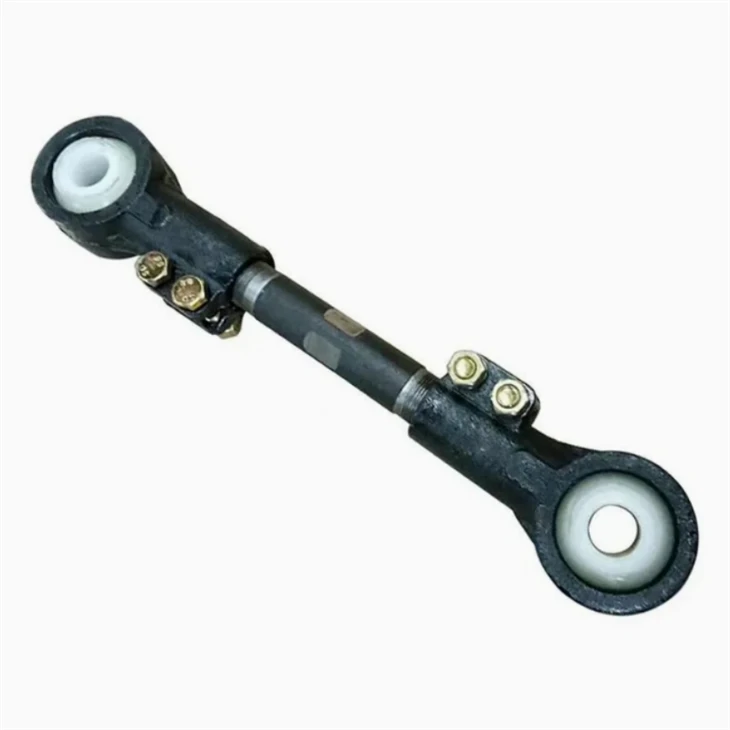
Our American Suspension Pull Rod is designed to improve the suspension system of trailers, providing a smoother ride and better handling. It is made from high - quality materials and is built to last.
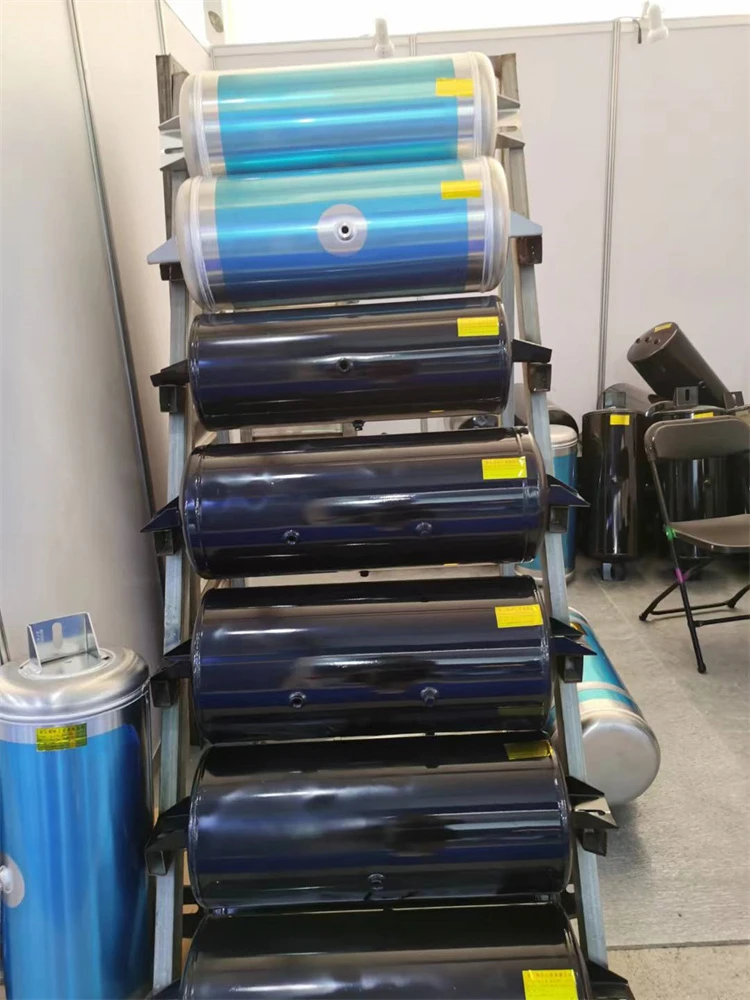
We also supply Air Brake Tanks, which are essential components of the air brake system in trailers. These tanks store compressed air, ensuring reliable and efficient braking performance.
Contact Us for Procurement
If you are in the market for built - in iron legs or any of our other trailer accessories, we invite you to contact us for procurement discussions. Our team of experts is ready to assist you in finding the right products for your specific needs. We offer competitive prices, high - quality products, and excellent customer service. Whether you are a small business or a large corporation, we can provide you with the solutions you need.
References
- Smith, J. (2018). Manufacturing Processes for Metal Components. Industrial Press.
- Johnson, A. (2019). Trailer Design and Engineering. McGraw - Hill.
- Brown, C. (2020). Quality Control in the Metal Industry. Wiley.


