

As a supplier of disc brake axles, I often encounter questions from customers regarding the compatibility of different brands of brake pads and discs in a disc brake axle. This topic is not only crucial for the safety and performance of vehicles but also for the overall user experience. In this blog, I will delve into the scientific aspects of mixing different brands of brake pads and discs, provide insights based on industry knowledge, and offer guidance for making informed decisions.
Understanding the Function of Disc Brake Axles
Before discussing the compatibility of different brands of brake pads and discs, it is essential to understand the basic function of a disc brake axle. A disc brake axle is a critical component in a vehicle's braking system, responsible for converting the kinetic energy of the moving vehicle into heat energy through friction. When the driver applies the brakes, the brake caliper squeezes the brake pads against the rotating brake disc, creating friction that slows down or stops the vehicle.
The performance of a disc brake axle depends on several factors, including the quality of the brake pads, the design and material of the brake discs, and the overall compatibility of the braking system. High-quality brake pads and discs are designed to provide consistent and reliable braking performance under various driving conditions.
Compatibility Considerations
Mixing different brands of brake pads and discs in a disc brake axle can be a complex issue. While it is technically possible to use brake pads and discs from different manufacturers, there are several compatibility considerations that need to be taken into account.
Material Compatibility
Brake pads and discs are made from different materials, each with its own unique properties. Brake pads are typically made from organic, semi-metallic, or ceramic materials, while brake discs are commonly made from cast iron, carbon-ceramic, or composite materials. The compatibility of these materials is crucial for ensuring optimal braking performance and longevity.
For example, organic brake pads are known for their quiet operation and low dust generation, but they may not be suitable for high-performance applications. Semi-metallic brake pads, on the other hand, offer better heat dissipation and durability but can be noisier and produce more dust. Ceramic brake pads are a popular choice for high-performance vehicles due to their excellent braking performance, low dust generation, and long service life.
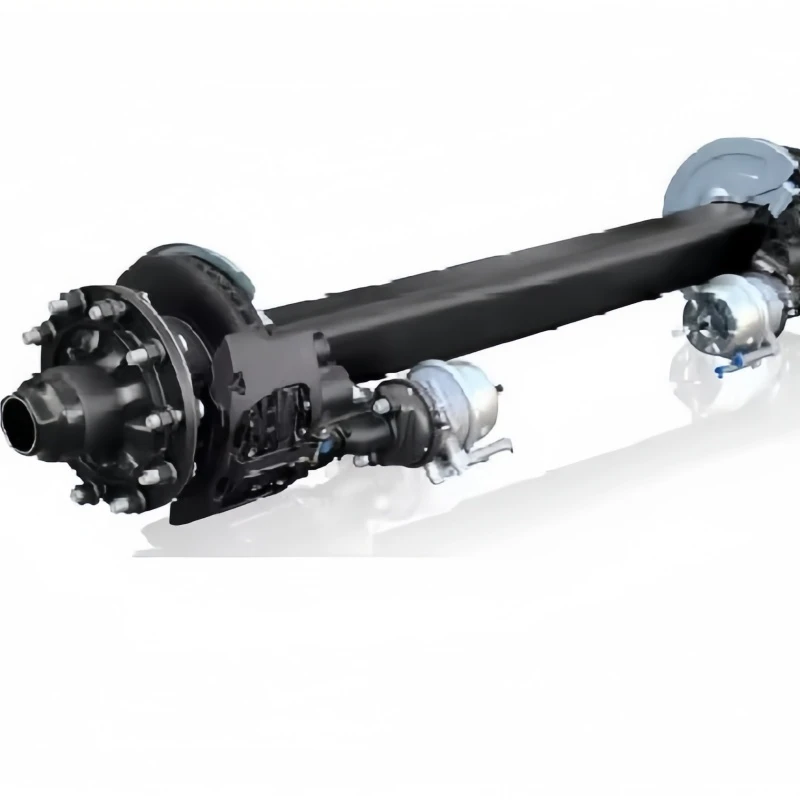
When mixing different brands of brake pads and discs, it is important to ensure that the materials are compatible. Incompatible materials can lead to premature wear, reduced braking performance, and even safety hazards. For instance, using ceramic brake pads with a cast iron brake disc that is not designed to work with ceramic pads may result in excessive wear on the disc surface and reduced braking efficiency.
Design Compatibility
In addition to material compatibility, the design of the brake pads and discs also plays a crucial role in their compatibility. Brake pads and discs are designed to work together as a system, and any mismatch in their design can affect the overall performance of the braking system.
For example, the shape and size of the brake pads need to match the brake caliper and the brake disc to ensure proper contact and even distribution of pressure. A mismatch in the design can lead to uneven wear on the brake pads and discs, reduced braking performance, and increased noise and vibration.
Similarly, the ventilation and cooling design of the brake discs need to be compatible with the brake pads to ensure efficient heat dissipation. Inadequate cooling can cause the brake pads and discs to overheat, leading to brake fade and reduced braking performance.

Performance Compatibility
Another important consideration when mixing different brands of brake pads and discs is their performance compatibility. Different brands of brake pads and discs may have different performance characteristics, such as braking force, fade resistance, and wear rate. It is important to ensure that the performance of the brake pads and discs is compatible to ensure consistent and reliable braking performance.
For example, if you are using high-performance brake pads with a standard brake disc, the brake disc may not be able to handle the increased braking force, leading to premature wear and reduced braking performance. On the other hand, using standard brake pads with a high-performance brake disc may not fully utilize the capabilities of the brake disc, resulting in suboptimal braking performance.
Potential Risks of Mixing Different Brands
Mixing different brands of brake pads and discs in a disc brake axle can pose several potential risks, including: - Reduced Braking Performance: Incompatible brake pads and discs can lead to reduced braking performance, including longer stopping distances, decreased braking force, and increased brake fade. This can significantly affect the safety of the vehicle and its occupants. - Premature Wear: Using incompatible brake pads and discs can cause premature wear on both the brake pads and the brake discs. This can lead to increased maintenance costs and the need for more frequent replacement of the braking components. - Noise and Vibration: Mismatched brake pads and discs can cause excessive noise and vibration during braking. This can not only be annoying for the driver and passengers but also indicate a problem with the braking system. - Safety Hazards: In extreme cases, mixing incompatible brake pads and discs can pose a safety hazard. For example, if the brake pads and discs are not properly matched, the brakes may fail to work effectively, leading to a loss of control of the vehicle.
Best Practices for Mixing Brake Pads and Discs
While it is generally recommended to use brake pads and discs from the same manufacturer to ensure compatibility, there are some best practices that can be followed if you need to mix different brands: - Research and Consultation: Before mixing different brands of brake pads and discs, it is important to conduct thorough research and consult with a professional mechanic or a braking system expert. They can provide you with valuable insights and recommendations based on your specific vehicle and driving needs. - Match the Performance: When mixing different brands of brake pads and discs, it is important to match their performance characteristics. This means using brake pads and discs that have similar braking force, fade resistance, and wear rate. - Check for Compatibility: Before installing the brake pads and discs, it is important to check for compatibility. This includes checking the material compatibility, design compatibility, and performance compatibility of the brake pads and discs. - Follow the Manufacturer's Recommendations: It is important to follow the manufacturer's recommendations when installing and maintaining the brake pads and discs. This includes using the correct torque specifications, lubricating the appropriate components, and performing regular inspections and maintenance.
Conclusion
In conclusion, while it is technically possible to mix different brands of brake pads and discs in a disc brake axle, it is generally not recommended due to the potential risks and compatibility issues. To ensure optimal braking performance, safety, and longevity, it is best to use brake pads and discs from the same manufacturer.
As a disc brake axle supplier, we offer a wide range of high-quality Disc-Brake Axle that are designed to work seamlessly with our brake pads and discs. Our products are engineered to meet the highest standards of performance, reliability, and safety, ensuring that your vehicle's braking system operates at its best.
If you are in the market for a disc brake axle or have any questions about mixing different brands of brake pads and discs, please feel free to contact us for more information. Our team of experts is always ready to assist you and provide you with the best solutions for your braking needs.
References
- Bosch Automotive Handbook, 8th Edition
- SAE International Standards
- Brake Manufacturers' Council (BMC) Guidelines


