

As a reliable axle adjusting arm supplier, I understand the critical role that these components play in the smooth operation of various vehicles and trailers. A malfunctioning axle adjusting arm can lead to a host of problems, from uneven braking to compromised vehicle safety. In this blog post, I'll share some professional insights on how to diagnose problems with the axle adjusting arm.
Understanding the Axle Adjusting Arm
Before we dive into the diagnostic process, it's essential to have a basic understanding of what an axle adjusting arm is and how it functions. The axle adjusting arm is a crucial part of the braking system in many vehicles, especially in heavy - duty trucks and trailers. Its primary function is to adjust the brake shoes' position relative to the brake drum, ensuring proper brake clearance and efficient braking performance.
Visual Inspection
The first step in diagnosing a problem with the axle adjusting arm is a thorough visual inspection.
-
Check for Physical Damage
- Look for signs of cracks, bends, or breaks in the adjusting arm itself. Physical damage can occur due to excessive force, impacts, or corrosion over time. If you notice any visible cracks or bends, it's a clear indication that the adjusting arm needs to be replaced.
- Examine the mounting points of the adjusting arm. Loose or damaged mounting bolts can cause the adjusting arm to shift, leading to improper adjustment and braking issues. Tighten any loose bolts or replace damaged ones as necessary.
-
Inspect the Linkage
- The axle adjusting arm is connected to other components in the braking system through a linkage. Check the linkage for signs of wear, such as excessive play, rust, or damage. A worn - out linkage can prevent the adjusting arm from functioning correctly, resulting in inconsistent brake adjustment.
- Ensure that all the joints in the linkage are properly lubricated. Lack of lubrication can cause friction, which may lead to premature wear and reduced performance.
Testing the Adjustment Mechanism
After the visual inspection, it's time to test the adjustment mechanism of the axle adjusting arm.
-
Manual Adjustment Test
- Use a suitable tool, such as a wrench, to manually turn the adjustment nut on the axle adjusting arm. The adjustment should be smooth and consistent. If you encounter resistance or if the adjustment nut doesn't turn freely, it could indicate a problem with the internal components of the adjusting arm, such as a seized gear or a damaged thread.
- Check the range of adjustment. The axle adjusting arm should be able to adjust the brake shoes within a specific range. If the adjustment is too limited or if it goes beyond the normal range, it may be a sign of a malfunction.
-
Functional Braking Test
- Perform a functional braking test on a safe and controlled surface. Apply the brakes gradually and observe the vehicle's braking performance. If the brakes feel spongy, uneven, or if there is a significant pulling to one side, it could be related to a problem with the axle adjusting arm.
- Listen for any unusual noises during braking, such as squealing, grinding, or rattling. These noises can indicate issues with the brake shoes, brake drums, or the adjusting arm itself.
Checking for Alignment Issues
Proper alignment is crucial for the correct operation of the axle adjusting arm.

-
Axle Alignment
- Misaligned axles can put additional stress on the axle adjusting arm, leading to premature wear and malfunction. Use a laser alignment tool or have the axles professionally aligned to ensure that they are parallel and perpendicular to the vehicle's frame.
- Check the tire wear patterns. Uneven tire wear can be a sign of axle misalignment, which can affect the performance of the axle adjusting arm.
-
Brake Component Alignment
- Ensure that the brake shoes are properly aligned with the brake drums. Misaligned brake shoes can cause uneven braking and put extra pressure on the axle adjusting arm. Check the brake shoe mounting and adjust it if necessary.
Considering External Factors
External factors can also contribute to problems with the axle adjusting arm.
-
Environmental Conditions
- Harsh environmental conditions, such as extreme heat, cold, or high humidity, can affect the performance of the axle adjusting arm. For example, corrosion can occur in humid environments, weakening the adjusting arm and its components. Regularly clean and protect the adjusting arm from environmental damage.
- Exposure to road salt and chemicals can also accelerate corrosion. Rinse the vehicle's undercarriage regularly, especially during the winter months when road salt is commonly used.
-
Overloading
- Overloading the vehicle or trailer can put excessive stress on the braking system, including the axle adjusting arm. Make sure that the vehicle is loaded within its recommended capacity. Overloading can cause the adjusting arm to wear out faster and may lead to premature failure.
Related Trailer Accessories
In addition to the axle adjusting arm, there are several other important trailer accessories that can impact the overall performance and safety of your trailer. For example, the Semi Trailer 90 Prefabricated Kingpin is a key component that connects the trailer to the tractor. A high - quality kingpin ensures a secure and stable connection, which is essential for safe towing.
The Single Point Suspension is another important accessory. It helps to distribute the weight evenly across the trailer's axles, reducing stress on the braking system and improving ride quality.
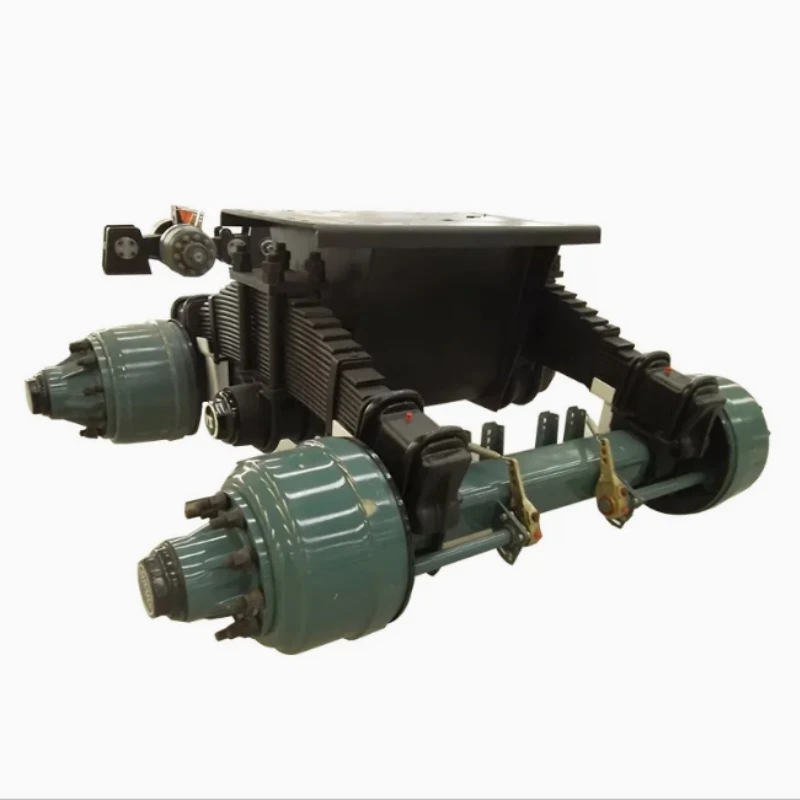
The Linkage Leg plays a crucial role in supporting the trailer when it is not connected to the tractor. A sturdy and well - designed linkage leg ensures the stability of the trailer during loading and unloading.
Conclusion
Diagnosing a problem with the axle adjusting arm requires a systematic approach, including visual inspection, testing the adjustment mechanism, checking for alignment issues, and considering external factors. By following these steps, you can accurately identify and address any problems with the axle adjusting arm, ensuring the safety and performance of your vehicle or trailer.
If you're experiencing issues with your axle adjusting arm or are looking for high - quality axle adjusting arms and other trailer accessories, don't hesitate to reach out. We are committed to providing top - notch products and excellent customer service. Contact us today to discuss your procurement needs and let's work together to keep your vehicles and trailers running smoothly.
References
- Brake System Handbook, Published by an automotive industry association
- Trailer Maintenance Guide, A comprehensive guide for trailer owners and operators.
- Technical papers on vehicle braking systems from leading automotive research institutions.


