

Hey there! As a supplier of German style suspension, I've seen my fair share of issues with these systems. In this blog, I'm gonna walk you through how you can diagnose problems with German style suspension.
First off, let's understand what we're dealing with. German style suspension is known for its durability and high - performance features. It's used in a variety of trailers and trucks to provide a smooth ride and better handling. But like any mechanical system, it can run into problems over time.
Physical Inspection
The first step in diagnosing problems is a good old - fashioned physical inspection. You can start by looking at the German Equalizing Beam. This part is crucial for distributing the load evenly across the axles. Check for any visible signs of damage, like cracks or bends. You can also look for signs of excessive wear, such as flat spots or uneven surfaces. If you notice any of these issues, it's a good indication that the equalizing beam might be the source of your problems.
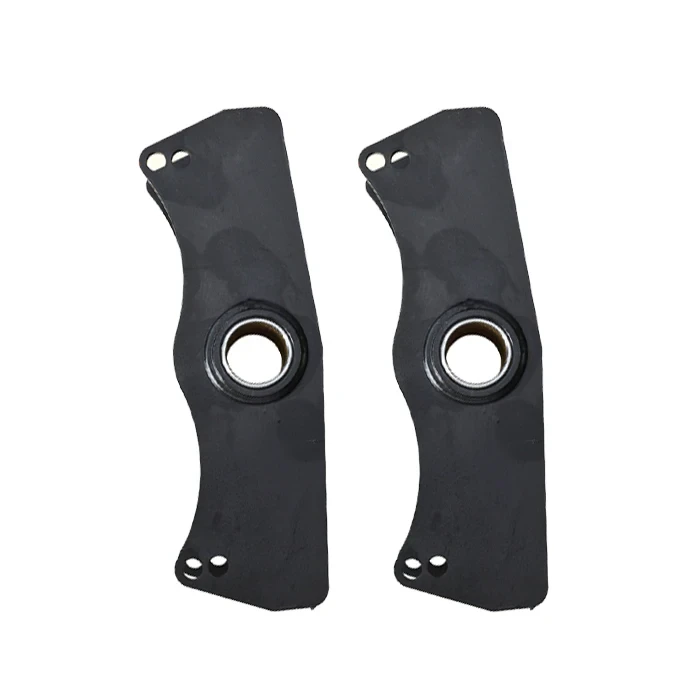

Next, take a look at the German Type Middle Bracket. This bracket holds various components of the suspension together. Make sure it's securely fastened. Loose bolts or a misaligned bracket can cause all sorts of problems, from strange noises to poor handling. Check for rust or corrosion as well. Rust can weaken the bracket and lead to failure.
Checking the Air System (if it's an air suspension)
A lot of German style suspensions are air - based. If your suspension is an air type, the air system is a key area to check. Start by looking at the airbags. They should be properly inflated and free of any visible damage. A punctured or leaking airbag can cause the trailer to sit unevenly or have a rough ride. You can listen for any hissing sounds, which could indicate an air leak.
Also, check the air lines. These are the tubes that carry air to the airbags. Make sure they're not kinked, cracked, or disconnected. A blocked or damaged air line can prevent the airbags from inflating or deflating properly, leading to suspension problems.
Noise and Vibration Analysis
Pay attention to any strange noises or vibrations coming from the suspension. A rattling noise might indicate loose components, like a bolt that's come loose on the German Style Suspension. A clunking noise could mean there's excessive play in the joints or that a component is worn out.
Vibrations can also tell you a lot about the health of the suspension. If you feel a vibration while driving, it could be due to an imbalance in the wheels or a problem with the suspension components. For example, a worn - out shock absorber can cause the vehicle to vibrate more than usual.
Handling and Stability
How the vehicle handles is a big clue when diagnosing suspension problems. If the trailer or truck seems to sway more than normal, it could be an issue with the sway bars or the overall suspension geometry. A pulling to one side while driving might indicate a problem with the alignment of the suspension components.
If you notice that the ride is much rougher than it used to be, it could be because the shock absorbers are worn out or the springs are sagging. These components are responsible for absorbing the bumps on the road, and when they don't work properly, you'll definitely feel it.
Measuring and Comparing
Sometimes, you need to get a bit more technical. You can measure the height of the trailer or truck at different points. Compare the measurements on both sides. If there's a significant difference in height, it could mean that one side of the suspension is working differently than the other. This could be due to a damaged component or an issue with the air system (if it's an air suspension).
You can also measure the distance between certain suspension components. For example, measure the gap between the equalizing beam and the axle. If this gap is different from what it should be, it could indicate a problem with the alignment or the wear of the components.
When to Seek Professional Help
While you can diagnose a lot of suspension problems on your own, there are times when it's best to call in a professional. If you're not sure what's causing the problem, or if you've tried to fix it but the issue persists, it's time to get an expert opinion. A professional mechanic who specializes in German style suspension will have the tools and knowledge to diagnose and fix more complex problems.
Conclusion
Diagnosing problems with German style suspension is a process that involves a combination of physical inspection, listening for noises, analyzing handling, and taking measurements. By following these steps, you can often pinpoint the source of the problem and take appropriate action.
If you're having trouble with your German style suspension, or if you're in the market for a new one, we're here to help. We're a reliable supplier of high - quality German style suspension components. Whether you need a replacement German Equalizing Beam, a German Type Middle Bracket, or a complete German Style Suspension system, we've got you covered. Reach out to us for a consultation and let's discuss how we can meet your needs.
References
- Automotive Suspension Handbook, published by an industry - leading author.
- Technical manuals from German suspension manufacturers.


