

Air brake tanks are an essential component of commercial vehicles, especially those equipped with air brake systems. These tanks store compressed air, which is crucial for the proper functioning of the brakes. While air brake tanks are primarily associated with vehicle safety, there is growing interest in understanding their impact on fuel consumption. As a supplier of air brake tanks, I am well-positioned to explore this topic and provide valuable insights.
Understanding Air Brake Systems and Air Brake Tanks
Before delving into the impact of air brake tanks on fuel consumption, it is important to understand how air brake systems work. An air brake system uses compressed air to apply the brakes. When the driver presses the brake pedal, it activates a valve that releases compressed air from the air brake tanks into the brake chambers. This air pressure then forces the brake shoes or pads against the brake drums or rotors, respectively, slowing down or stopping the vehicle.
Air brake tanks are the reservoirs that store the compressed air. They are typically made of steel and are designed to withstand high pressures. The size and number of air brake tanks in a vehicle depend on the vehicle's size, weight, and braking requirements. Larger vehicles, such as trucks and buses, usually have multiple air brake tanks to ensure an adequate supply of compressed air.

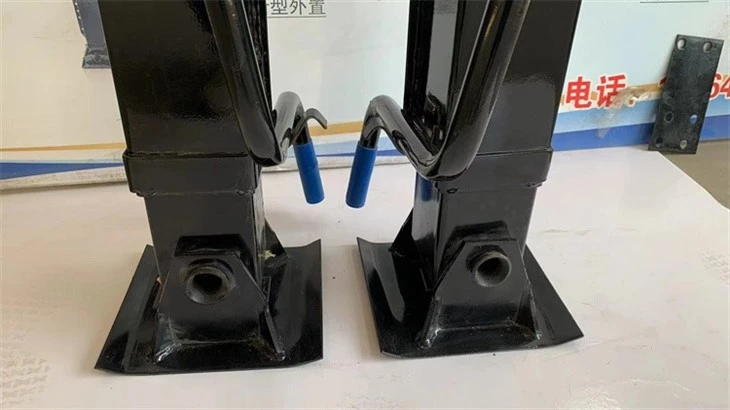
The Role of Air Brake Tanks in Fuel Consumption
The impact of air brake tanks on fuel consumption is indirect but significant. Here are some ways in which air brake tanks can affect fuel efficiency:
1. Weight
Air brake tanks add weight to the vehicle. The heavier the vehicle, the more energy is required to move it. This means that additional fuel is needed to overcome the increased weight. While the weight of an air brake tank may seem relatively small compared to the overall weight of a commercial vehicle, it can still have a cumulative effect on fuel consumption, especially over long distances.
2. Air Compression
The process of compressing air for the air brake system requires energy. The air compressor, which is responsible for compressing the air and filling the air brake tanks, is powered by the vehicle's engine. This means that some of the engine's power is diverted to run the air compressor, resulting in increased fuel consumption. The more frequently the air compressor needs to run to maintain the proper air pressure in the air brake tanks, the more fuel is consumed.
3. Leakage
Air leakage in the air brake system can also contribute to increased fuel consumption. If there are leaks in the air brake lines, fittings, or valves, the air compressor will need to work harder and more often to maintain the required air pressure in the air brake tanks. This additional workload on the air compressor leads to higher fuel consumption.
4. Proper Sizing and Maintenance
Proper sizing and maintenance of air brake tanks are crucial for optimizing fuel consumption. If the air brake tanks are undersized, the air compressor will need to run more frequently to keep the tanks filled, resulting in increased fuel usage. On the other hand, oversized air brake tanks can add unnecessary weight to the vehicle. Regular maintenance, including checking for air leaks, ensuring proper air pressure, and replacing worn-out components, can help reduce fuel consumption by ensuring the efficient operation of the air brake system.
Strategies to Minimize the Impact of Air Brake Tanks on Fuel Consumption
As a supplier of air brake tanks, we understand the importance of helping our customers improve fuel efficiency. Here are some strategies that can help minimize the impact of air brake tanks on fuel consumption:
1. Optimal Sizing
Work with a professional to determine the optimal size and number of air brake tanks for your vehicle. This will ensure that the air brake system has an adequate supply of compressed air without adding unnecessary weight.
2. High - Quality Tanks and Components
Invest in high - quality air brake tanks and other components of the air brake system. High - quality tanks are less likely to develop leaks, and well - made valves and fittings can reduce air leakage, which in turn reduces the workload on the air compressor and saves fuel.
3. Regular Maintenance
Implement a regular maintenance schedule for the air brake system. This includes checking for air leaks, inspecting the air compressor, and ensuring that the air pressure in the tanks is within the recommended range. By keeping the air brake system in good working condition, you can minimize fuel consumption.
4. Use of Advanced Technologies
Consider using advanced technologies such as Single Point Suspension, Landing Gear, and Built in Support Legs that can improve the overall efficiency of the vehicle and potentially offset the impact of air brake tanks on fuel consumption. These technologies can help reduce the vehicle's drag, improve stability, and optimize the vehicle's performance.
The Business Case for Considering Fuel Consumption in Air Brake Tank Selection
In today's competitive transportation industry, fuel costs are a significant expense for fleet operators. By choosing air brake tanks that are designed to minimize their impact on fuel consumption, fleet operators can achieve significant cost savings over time. Additionally, reducing fuel consumption also has environmental benefits, as it reduces greenhouse gas emissions.
As a supplier of air brake tanks, we are committed to providing our customers with products that not only meet their safety requirements but also help them improve their bottom line. Our air brake tanks are designed with fuel efficiency in mind, using advanced materials and manufacturing techniques to reduce weight and improve durability.
Conclusion
Air brake tanks play a crucial role in the safety and performance of commercial vehicles. While they do have an impact on fuel consumption, this impact can be minimized through proper sizing, high - quality components, regular maintenance, and the use of advanced technologies. As a supplier of air brake tanks, we are dedicated to helping our customers make informed decisions about their air brake systems to achieve optimal fuel efficiency.
If you are interested in learning more about our air brake tanks and how they can help you reduce fuel consumption, we encourage you to contact us. Our team of experts is ready to assist you in selecting the right air brake tanks for your vehicles and providing you with the support you need to maintain a fuel - efficient air brake system.
References
- SAE International. (20XX). "Fuel Efficiency in Commercial Vehicles: Best Practices and Technologies."
- American Trucking Associations. (20XX). "Guide to Reducing Fuel Consumption in Trucking Operations."
- Federal Motor Carrier Safety Administration. (20XX). "Commercial Vehicle Air Brake Systems: Maintenance and Inspection."


