

As a seasoned supplier of trailer accessories, I often encounter customers with a common question: Can I use car accessories on a trailer? This query stems from the practicality and cost - effectiveness that some car owners might perceive in repurposing car - related items for their trailers. In this blog, I'll explore this topic in detail, examining the technical, safety, and legal aspects to provide a comprehensive answer.
Technical Compatibility
Physical Dimensions and Fit
One of the primary concerns when considering using car accessories on a trailer is the physical fit. Car and trailer components are designed with different specifications. For example, the mounting points on a car are tailored to its chassis and body structure, which may not align with those on a trailer. A car's lighting system, such as headlights and taillights, is designed to be installed in a specific location on the car body. The size, shape, and wiring connections of these lights may not match the requirements of a trailer. Trailers usually have their own dedicated light fixtures that are built to withstand the unique vibrations and jolts associated with towing.
Electrical Systems
The electrical systems in cars and trailers also differ significantly. A car's electrical system is designed to power a variety of components, including the engine management system, entertainment system, and interior lights. Trailers, on the other hand, have a simpler electrical setup mainly focused on lighting and braking signals. The voltage and amperage requirements for trailer accessories are often different from those of car accessories. Using a car - specific electrical accessory on a trailer may lead to overloading or under - powering of the device, which can cause malfunctions or even pose a fire hazard.
Weight and Load - Bearing Capacity
Trailers are built to carry specific loads, and their accessories are designed accordingly. Car accessories are engineered to work within the weight and load - bearing capacity of a car. For instance, a car's suspension accessory may not be able to handle the additional weight that a trailer typically carries. Using such an accessory on a trailer can result in premature wear and tear, and in severe cases, it can lead to structural failure of the trailer.
Safety Considerations
Braking Systems
Braking is a critical safety feature for both cars and trailers. Car braking systems are integrated with the vehicle's overall design, including the anti - lock braking system (ABS) and electronic stability control (ESC). Trailers, especially larger ones, often require their own braking systems, such as electric or hydraulic brakes. Using a car - only braking accessory on a trailer can compromise the trailer's ability to stop effectively, increasing the risk of accidents. For example, a car's brake pads may not be able to generate enough friction to stop a heavily loaded trailer, which can lead to longer stopping distances and potential collisions.
Lighting and Visibility
Proper lighting is essential for safe trailer operation. Trailers need to be clearly visible to other road users, especially at night or in poor weather conditions. Car lighting accessories may not provide the same level of visibility as dedicated trailer lights. Trailer lights are designed to be more robust and have a wider beam pattern to ensure that they can be seen from different angles. Using car lights on a trailer may result in reduced visibility, increasing the chances of being involved in a rear - end collision or other types of accidents.
Legal Requirements
Regulatory Standards
In many regions, there are strict regulations regarding the use of accessories on trailers. These regulations are in place to ensure the safety of all road users. Car accessories may not meet the specific standards set for trailers. For example, trailer lights must comply with certain brightness and color requirements to be legal. Using non - compliant car lights on a trailer can result in fines and penalties. Additionally, some countries require trailers to have specific braking systems based on their weight, and using a non - compliant car braking accessory can lead to legal issues.
Exceptions and Special Cases
While there are many reasons why using car accessories on a trailer is not advisable, there are some exceptions. In some cases, simple, non - critical accessories like basic tie - down straps or certain types of reflectors may be interchangeable between cars and trailers. However, it's important to ensure that these items still meet the safety and regulatory requirements for trailers.
Dedicated Trailer Accessories
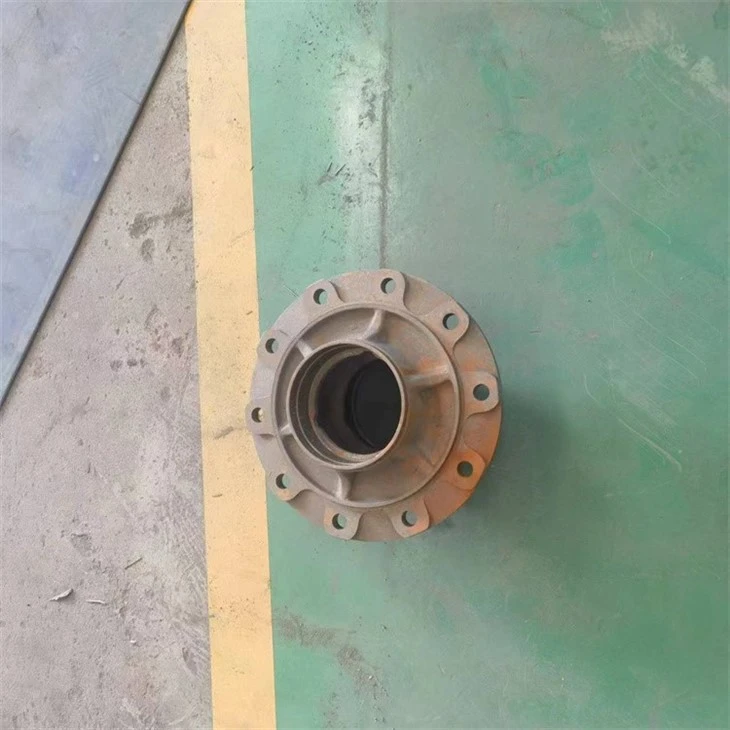
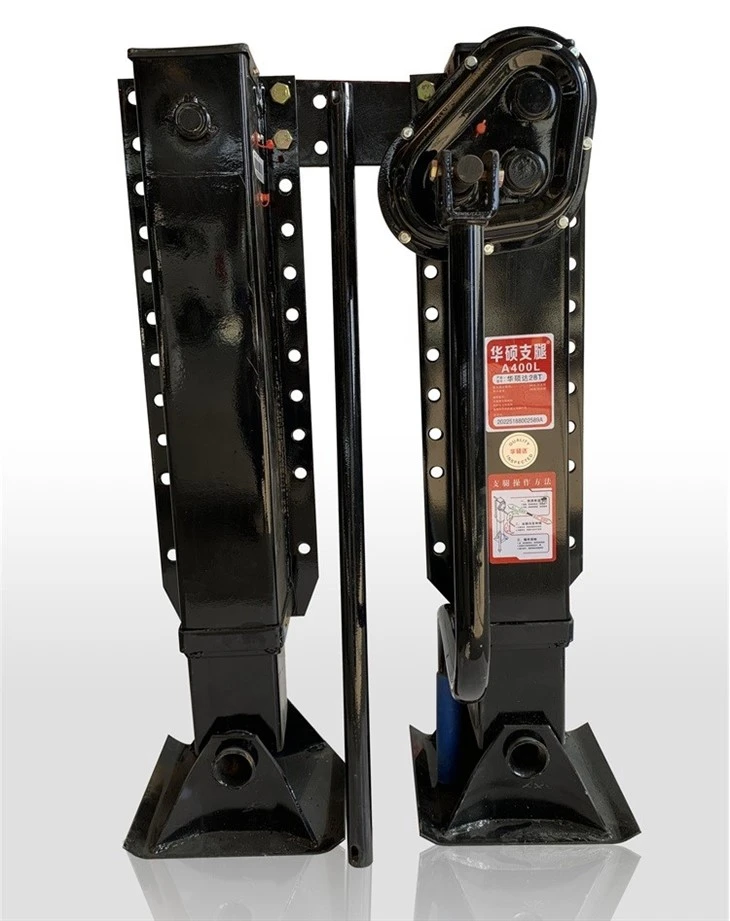
As a trailer accessories supplier, I offer a wide range of high - quality products that are specifically designed for trailers. For example, our Axle Adjusting Arm is engineered to provide precise adjustment of the trailer's axle, ensuring proper alignment and smooth towing. The Axle Axle Head is built to withstand the heavy loads and stresses associated with trailer operation. And our Linkage Leg offers reliable support for the trailer when it is parked or being loaded.
These dedicated trailer accessories are designed to meet the unique needs of trailers, including their weight, size, and operating conditions. They are tested to ensure compliance with relevant safety and regulatory standards, providing peace of mind for trailer owners.
Conclusion
In conclusion, while it may seem tempting to use car accessories on a trailer, it is generally not a good idea due to technical incompatibilities, safety concerns, and legal requirements. Using dedicated trailer accessories is the best way to ensure the proper functioning, safety, and legal compliance of your trailer.
If you're in the market for high - quality trailer accessories, I invite you to explore our product range. Our team of experts is always ready to assist you in finding the right accessories for your specific trailer needs. Whether you're a professional hauler or a weekend camper, we have the products to meet your requirements. Contact us today to start a discussion about your trailer accessory needs and let us help you make the best choices for your trailer.
References
- Automotive Engineering Handbook, various editions.
- National Highway Traffic Safety Administration (NHTSA) regulations on trailers.
- Local transportation department guidelines for trailer use and accessories.