

Hey there! As a supplier of built - in support legs, I often get asked a really interesting question: Can built - in support legs be used for products that require frequent disassembly and reassembly? Well, let's dig into this topic and find out.
First off, let's talk about what built - in support legs are. These are basically legs that are integrated into a product's design. They're there to provide stability, support the weight of the product, and keep it in an upright or proper position. They come in all shapes and sizes, made from different materials like steel, aluminum, or even some high - strength plastics.
Now, when it comes to products that need to be taken apart and put back together often, there are a few factors we need to consider.
Durability
One of the most important things is durability. Frequent disassembly and reassembly can put a lot of stress on the support legs. If the legs aren't made from a strong and durable material, they're likely to wear out quickly. For example, if you're using a product in a manufacturing environment where it's being set up and taken down multiple times a day, the support legs need to be able to withstand that kind of abuse.
Steel support legs are a great option here. They're incredibly strong and can handle a lot of force. They're resistant to bending and breaking, even when they're being moved around a lot. Aluminum is also a good choice. It's lighter than steel, which can be an advantage if you need to move the product around easily. And it has good corrosion resistance, which is important if the product is going to be used in a damp or humid environment.
Ease of Assembly and Disassembly
Another crucial factor is how easy it is to take the support legs on and off. If it's a hassle to disassemble and reassemble the legs, it's going to slow down the process and might even discourage people from using the product.
Some built - in support legs come with a simple locking mechanism. You can just push a button or turn a lever, and the leg either locks in place or comes loose. This makes the whole process of setting up and taking down the product a breeze. Other legs might require a few tools, like a wrench or a screwdriver, but as long as the process is straightforward, it shouldn't be a big problem.
Compatibility
The support legs need to be compatible with the product they're being used for. This means they need to fit properly and be able to support the weight and dimensions of the product. If the legs are too short or too long, or if they can't handle the weight of the product, it's going to cause problems.
For example, if you're using built - in support legs for a large piece of equipment like an industrial machine, you need to make sure the legs are rated for the weight of that machine. You also need to consider the footprint of the machine. The legs should be placed in a way that provides stable support across the entire base of the machine.
Cost - Effectiveness
Let's not forget about cost. If the support legs are too expensive, it might not be worth using them for products that need to be disassembled and reassembled frequently. You need to find a balance between quality and cost.
There are some affordable options out there, especially if you're willing to compromise a little on the material or the features. For example, some plastic support legs can be a cost - effective alternative for lighter products. They might not be as strong as steel or aluminum, but they can still get the job done in many cases.
Real - World Examples
Let's look at some real - world examples of products that require frequent disassembly and reassembly and how built - in support legs can be used.
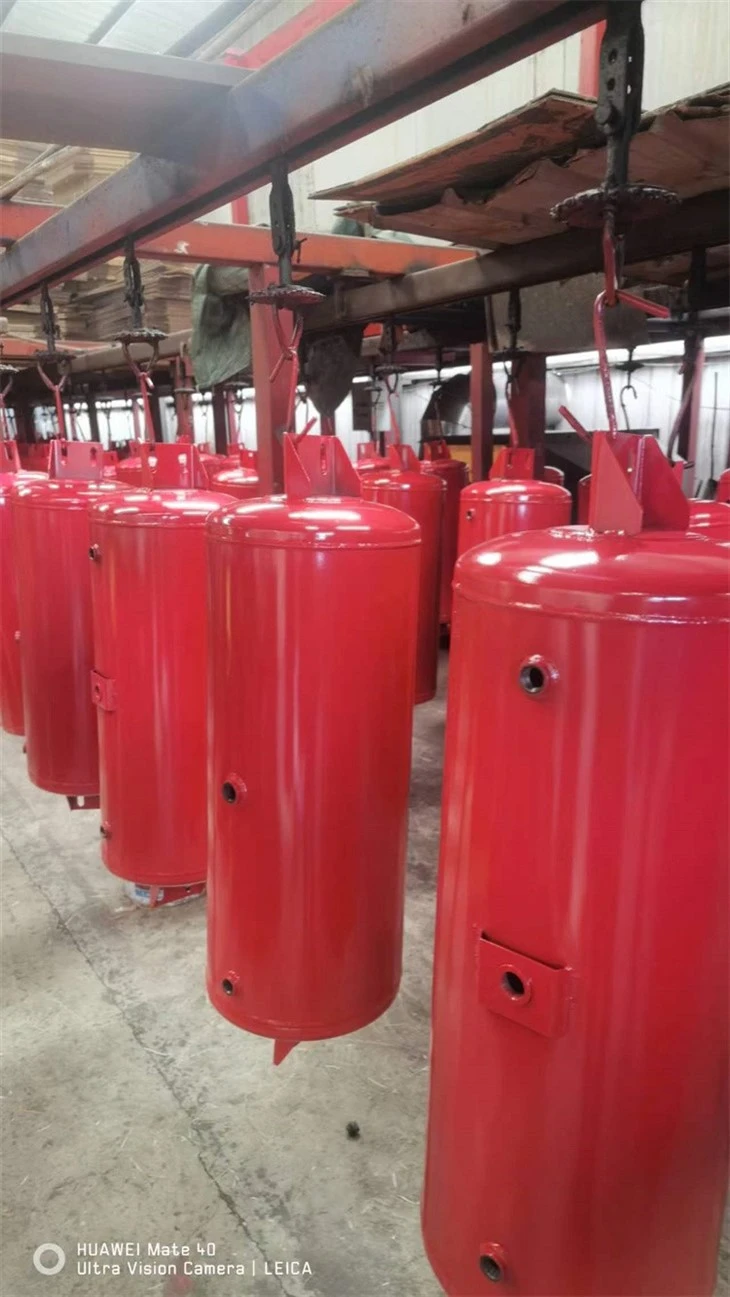
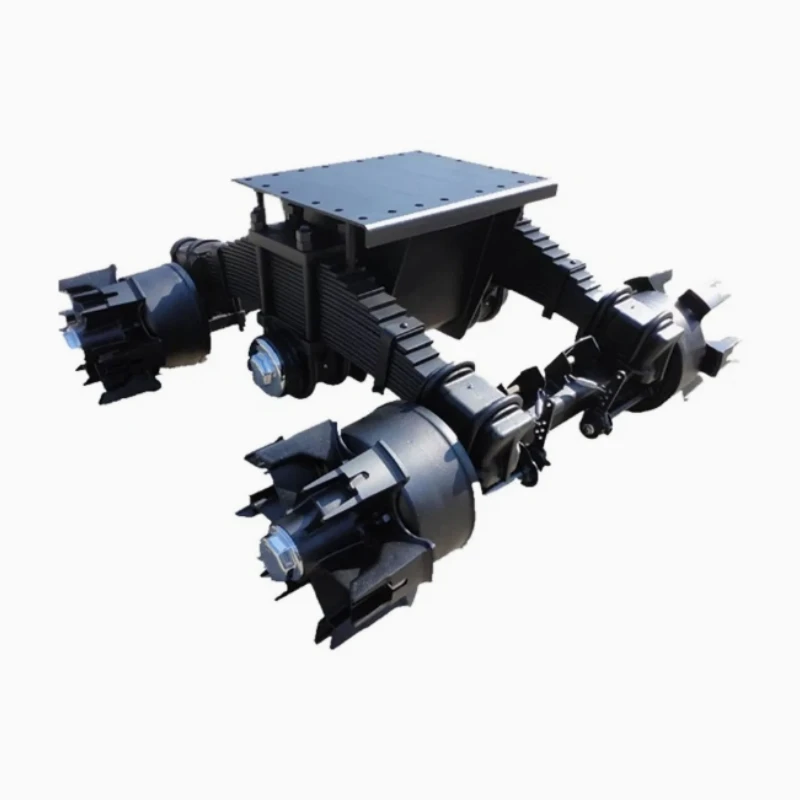
In the trailer industry, products like Air Brake Tanks, Single Point Suspension, and Air Brake Chamber often need to be maintained and adjusted regularly. Built - in support legs can be used to keep these components stable during the disassembly and reassembly process. They make it easier for mechanics to work on the parts without having to worry about the product tipping over or moving around.
In the event industry, portable stages and exhibition booths are constantly being set up and taken down. Built - in support legs can provide the necessary stability for these structures. They can be quickly attached and detached, allowing for a fast and efficient setup and teardown process.
Conclusion
So, can built - in support legs be used for products that require frequent disassembly and reassembly? The answer is yes, but it depends on a few key factors. You need to consider the durability, ease of assembly and disassembly, compatibility, and cost - effectiveness of the support legs.
If you're in the market for built - in support legs for your products, I'd love to have a chat with you. We've got a wide range of support legs that are designed to meet different needs. Whether you're looking for something strong and heavy - duty or something lightweight and easy to handle, we've got you covered. So, don't hesitate to reach out if you're interested in learning more or if you want to discuss your specific requirements.
References
- Engineering Materials Handbook: Metals and Composites. ASM International.
- Industrial Design for Assembly and Disassembly. CRC Press.


