

Heavy-duty vehicles, such as trucks, buses, and trailers, rely on a robust braking system to ensure safety and efficient operation. Among the critical components of these systems are air brake tanks. As a trusted air brake tanks supplier, I am excited to share in-depth knowledge about how these essential components work and their significance in heavy-duty vehicles.
The Basics of Air Brake Systems
Before delving into the specifics of air brake tanks, it's crucial to understand the overall air brake system in heavy-duty vehicles. Unlike traditional hydraulic brake systems, air brake systems use compressed air to transmit force and actuate the brakes. This approach offers several advantages, including greater stopping power, reliability, and the ability to operate over long distances without significant loss of efficiency.
The air brake system consists of several key components, including an air compressor, air dryer, brake chambers, valves, and of course, air brake tanks. Each component plays a vital role in ensuring the proper functioning of the braking system.
How Air Brake Tanks Function
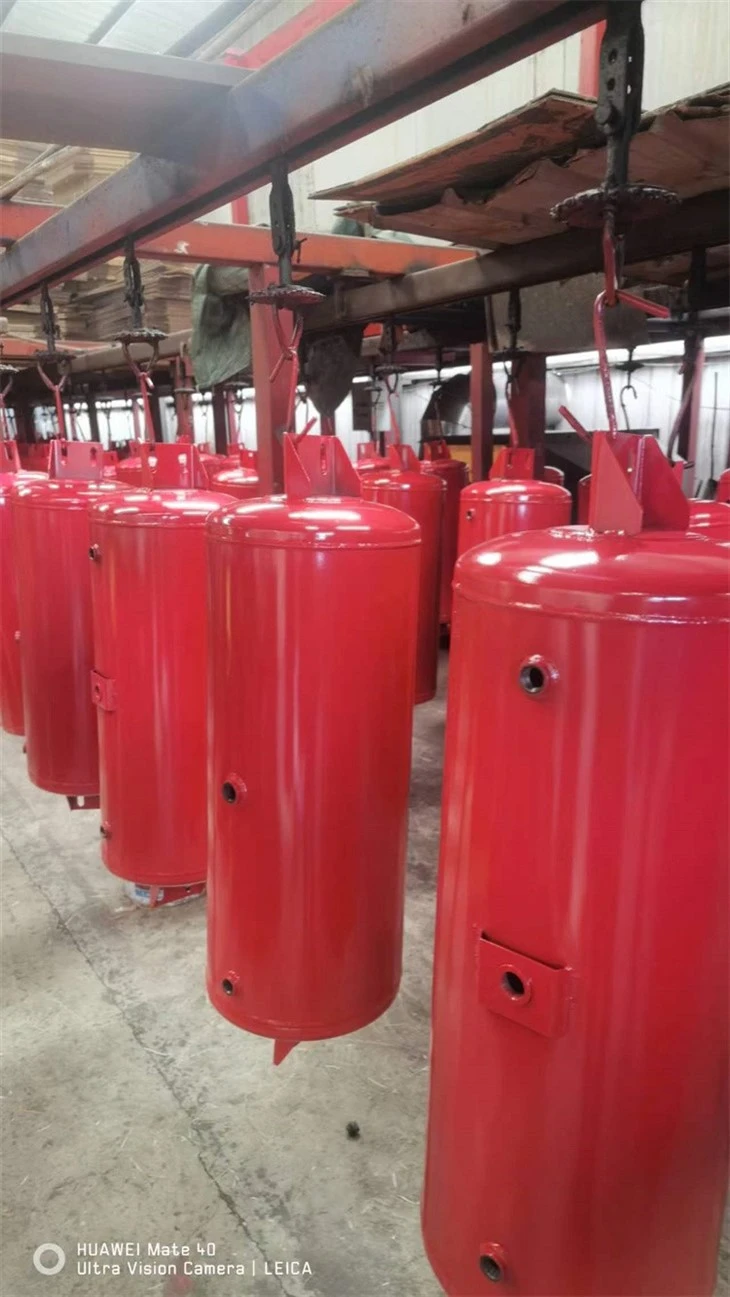
Air brake tanks serve as reservoirs for compressed air in the braking system. They are typically made of high-strength steel or aluminum to withstand the high pressures generated by the air compressor. The primary functions of air brake tanks include storing compressed air, providing a buffer to maintain consistent air pressure, and allowing for quick and efficient brake application.
Compressed Air Storage
The air compressor, driven by the vehicle's engine, continuously compresses air and pumps it into the air brake tanks. As the air is compressed, it is stored in the tanks at a high pressure, typically ranging from 100 to 120 psi (pounds per square inch). This stored air serves as the energy source for the braking system, allowing for multiple brake applications without the need for immediate recharging.
Pressure Regulation
One of the critical functions of air brake tanks is to maintain a consistent air pressure throughout the braking system. When the brakes are applied, air is released from the tanks and sent to the brake chambers, where it actuates the brakes. As the air is released, the pressure in the tanks decreases. However, the air compressor continuously replenishes the air in the tanks, ensuring that the pressure remains within the optimal operating range.
Quick Brake Application
Air brake tanks play a crucial role in enabling quick and efficient brake application. When the driver presses the brake pedal, a valve opens, allowing compressed air to flow from the tanks to the brake chambers. The high-pressure air in the tanks provides the force necessary to actuate the brakes rapidly, ensuring a prompt and reliable stopping response.
Types of Air Brake Tanks
There are several types of air brake tanks used in heavy-duty vehicles, each designed to meet specific requirements and applications.
Primary and Secondary Tanks
Most heavy-duty vehicles are equipped with primary and secondary air brake tanks. The primary tank stores the main supply of compressed air for the braking system, while the secondary tank serves as a backup in case of a primary tank failure. This dual-tank configuration provides an additional layer of safety and reliability, ensuring that the vehicle can still stop safely in the event of a tank malfunction.
Wet and Dry Tanks
Some air brake systems use wet and dry tanks to separate moisture from the compressed air. The wet tank collects moisture and contaminants that accumulate in the air during compression, while the dry tank stores clean, dry air for use in the braking system. This separation helps prevent corrosion and damage to the braking components, extending their lifespan and ensuring optimal performance.
Maintenance and Inspection of Air Brake Tanks
Proper maintenance and inspection of air brake tanks are essential to ensure the safety and reliability of the braking system. Regular maintenance tasks include checking for leaks, inspecting the tank for damage or corrosion, and draining the moisture from the tanks.
Leak Detection
Leaks in the air brake system can significantly affect its performance and safety. Regularly inspecting the air brake tanks and associated components for leaks is crucial. A simple way to detect leaks is to apply a soapy water solution to the connections and fittings. If bubbles form, it indicates a leak that needs to be repaired immediately.
Damage and Corrosion Inspection
Over time, air brake tanks can be exposed to harsh environmental conditions, which can cause damage and corrosion. Regularly inspect the tanks for signs of rust, dents, or cracks. If any damage is detected, the tank should be repaired or replaced to prevent further issues.
Moisture Drainage
Moisture can accumulate in the air brake tanks, leading to corrosion and damage to the braking components. It is essential to drain the moisture from the tanks regularly, especially in humid or wet conditions. Most air brake tanks are equipped with a drain valve that allows for easy moisture removal.
Importance of Quality Air Brake Tanks
As an air brake tanks supplier, I understand the importance of providing high-quality products to ensure the safety and reliability of heavy-duty vehicles. Quality air brake tanks are designed and manufactured to meet strict industry standards, ensuring optimal performance and durability.
Safety
The braking system is one of the most critical safety features of a heavy-duty vehicle. Using high-quality air brake tanks helps ensure that the brakes operate reliably, reducing the risk of accidents and improving overall road safety.
Performance
Quality air brake tanks provide consistent air pressure, allowing for quick and efficient brake application. This ensures that the vehicle can stop promptly, even in emergency situations, improving the vehicle's performance and handling.
Durability
Heavy-duty vehicles are subjected to harsh operating conditions, including frequent braking, vibrations, and exposure to the elements. High-quality air brake tanks are built to withstand these conditions, providing long-lasting performance and reducing the need for frequent replacements.
Related Trailer Accessories
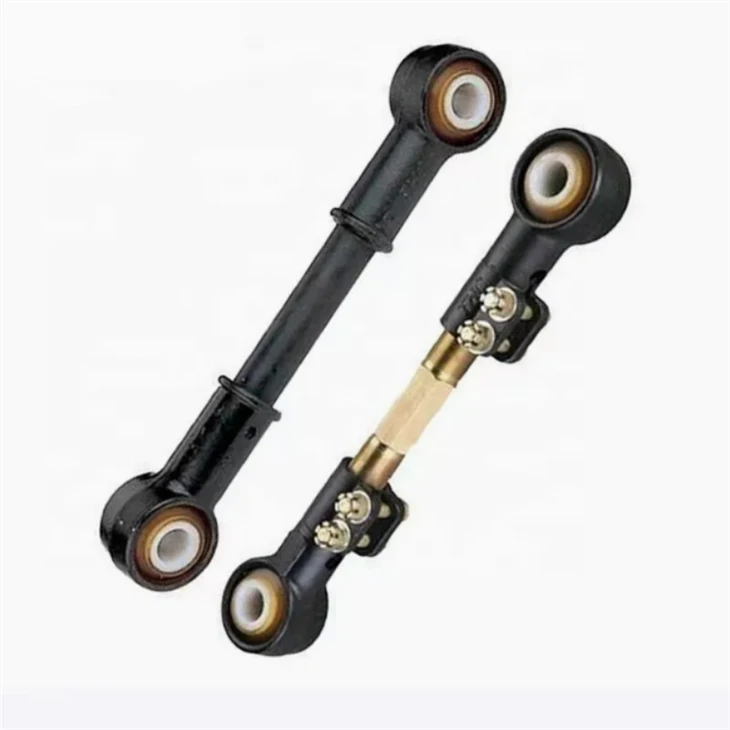
In addition to air brake tanks, there are several other trailer accessories that play a crucial role in the operation and safety of heavy-duty vehicles. Two such accessories are the Linkage Leg and the American Suspension Pull Rod.
The Linkage Leg is a vital component that provides support and stability to the trailer when it is parked or uncoupled from the tractor. It helps prevent the trailer from tipping over, ensuring the safety of the vehicle and its surroundings.
The American Suspension Pull Rod is designed to improve the suspension system of the trailer, reducing vibrations and providing a smoother ride. It helps enhance the overall performance and handling of the vehicle, making it more comfortable and safer to operate.
Conclusion
Air brake tanks are essential components of the braking system in heavy-duty vehicles. They play a crucial role in storing compressed air, maintaining consistent air pressure, and enabling quick and efficient brake application. As an air brake tanks supplier, I am committed to providing high-quality products that meet the strictest industry standards. By using quality air brake tanks and related accessories such as the Linkage Leg and American Suspension Pull Rod, you can ensure the safety, performance, and durability of your heavy-duty vehicles.
If you are in the market for reliable air brake tanks or other trailer accessories, I invite you to explore our extensive product range at Air Brake Tanks. Our team of experts is ready to assist you in finding the right products for your specific needs. Contact us today to start a procurement discussion and take the first step towards enhancing the safety and performance of your heavy-duty vehicles.
References
- SAE International. (20XX). Recommended Practices for Air Brake Systems in Heavy-Duty Vehicles.
- Federal Motor Carrier Safety Administration. (20XX). Commercial Motor Vehicle Brake Systems.


