

Hey there! As a supplier of German equalizing beams, I've seen firsthand how crucial it is to pick the right one for your project. Whether you're working on a small-scale job or a large industrial venture, the right equalizing beam can make all the difference. In this blog, I'll share some tips on how to choose the perfect German equalizing beam for your needs.
Understanding the Basics of German Equalizing Beams
First things first, let's talk about what a German equalizing beam is and what it does. An equalizing beam is a key component in a trailer suspension system. Its main job is to distribute the load evenly across the axles of the trailer. This helps to improve the stability and handling of the trailer, especially when it's carrying heavy loads.
German equalizing beams are known for their high quality and durability. They're designed to withstand the rigors of heavy use and harsh conditions. These beams are often used in heavy-duty applications, such as commercial trailers, construction equipment, and agricultural machinery.
Factors to Consider When Choosing a German Equalizing Beam
Now that you know what a German equalizing beam is, let's dive into the factors you should consider when choosing one for your project.
Load Capacity
One of the most important factors to consider is the load capacity of the equalizing beam. You need to make sure that the beam can handle the weight of the load you'll be carrying. To determine the load capacity you need, you'll need to know the gross vehicle weight rating (GVWR) of your trailer. The GVWR is the maximum weight that your trailer is designed to carry, including the weight of the trailer itself and the load.
Once you know the GVWR, you can choose an equalizing beam with a load capacity that's equal to or greater than the GVWR. It's always better to choose a beam with a higher load capacity than you think you'll need, just to be on the safe side.
Trailer Type
The type of trailer you're using is another important factor to consider. Different types of trailers have different suspension requirements. For example, a flatbed trailer may require a different type of equalizing beam than a livestock trailer.

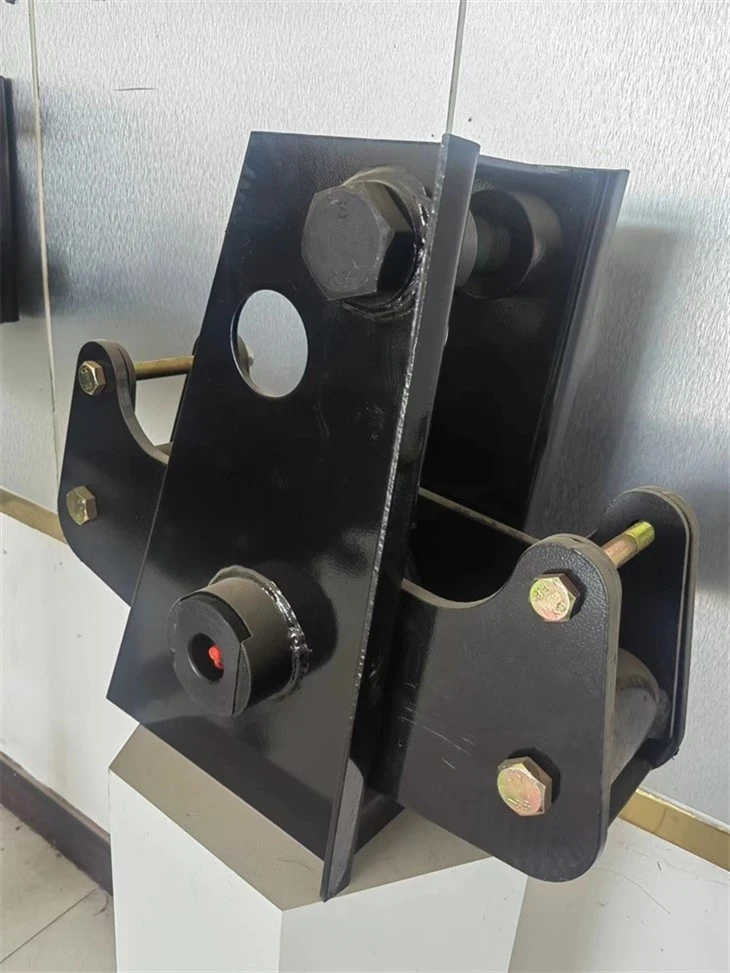
You'll also need to consider the number of axles on your trailer. Trailers with more axles will require a different type of equalizing beam than trailers with fewer axles. Make sure you choose an equalizing beam that's compatible with the type of trailer you're using.
Compatibility with Other Components
The equalizing beam needs to be compatible with the other components of your trailer suspension system. This includes the axles, springs, and brackets. Make sure you choose an equalizing beam that's designed to work with the other components of your suspension system.
For example, if you're using German Type Middle Bracket and German Type Rear Bracket, you'll need to choose an equalizing beam that's compatible with these brackets.
Quality and Durability
When it comes to equalizing beams, quality and durability are key. You want to choose a beam that's made from high-quality materials and is built to last. Look for beams that are made from strong, durable metals, such as steel or aluminum.
You should also consider the manufacturing process of the equalizing beam. Beams that are manufactured using advanced techniques, such as precision machining and heat treatment, are likely to be of higher quality and more durable.
Cost
Of course, cost is always a factor to consider. You want to choose an equalizing beam that fits your budget. However, it's important to remember that you get what you pay for. A cheaper equalizing beam may not be of the same quality as a more expensive one.
When comparing prices, make sure you're comparing apples to apples. Look at the load capacity, quality, and durability of the beams before making a decision.
Different Types of German Equalizing Beams
There are several different types of German equalizing beams available on the market. Here are some of the most common types:
Single-Axle Equalizing Beams
Single-axle equalizing beams are designed for trailers with a single axle. These beams are relatively simple and are often used in smaller trailers, such as utility trailers and boat trailers.
Multi-Axle Equalizing Beams
Multi-axle equalizing beams are designed for trailers with multiple axles. These beams are more complex than single-axle equalizing beams and are used in larger trailers, such as commercial trailers and construction equipment.
Heavy-Duty German Equalizing Beams
Heavy-duty German equalizing beams are designed for use in heavy-duty applications. These beams are made from high-strength materials and are built to withstand the rigors of heavy use. They're often used in Heavy Duty German Type Suspension systems.
How to Install a German Equalizing Beam
Installing a German equalizing beam is a relatively straightforward process, but it does require some basic mechanical skills. Here are the general steps to follow:
- Prepare the Trailer: Before you start installing the equalizing beam, you need to prepare the trailer. This includes removing the old beam (if there is one) and cleaning the mounting surfaces.
- Position the Beam: Once the trailer is prepared, you can position the new equalizing beam in place. Make sure the beam is centered and aligned correctly.
- Attach the Beam: Use the appropriate bolts and nuts to attach the equalizing beam to the trailer frame. Make sure the bolts are tightened to the correct torque specification.
- Connect the Springs and Axles: Once the beam is attached, you can connect the springs and axles to the beam. Make sure the connections are secure and that the springs are properly tensioned.
- Test the Suspension: After the installation is complete, you should test the suspension to make sure it's working properly. This includes checking the alignment of the axles and the ride height of the trailer.
Conclusion
Choosing the right German equalizing beam for your project is essential for ensuring the safety and performance of your trailer. By considering the factors discussed in this blog, such as load capacity, trailer type, compatibility, quality, and cost, you can make an informed decision and choose the perfect beam for your needs.
If you have any questions or need help choosing the right German equalizing beam for your project, don't hesitate to reach out. We're here to help you find the best solution for your specific requirements. Contact us today to start the procurement process and get the right equalizing beam for your project.
References
- Trailer Suspension Handbook
- German Equalizing Beam Manufacturer's Manuals


