

A trailer axle is a crucial component of any trailer, and its smooth operation is essential for the overall safety and performance of the vehicle. However, one common issue that trailer owners often face is axle vibration. As a seasoned trailer axle supplier, I've encountered numerous cases of vibrating axles and have gained valuable insights into the root causes. In this blog post, I'll delve into the various factors that can lead to trailer axle vibration, helping you understand the problem and take appropriate measures to address it.
1. Uneven Tire Wear
One of the most prevalent causes of trailer axle vibration is uneven tire wear. When the tires on a trailer wear unevenly, it can create an imbalance that causes the axle to vibrate. This can occur due to a variety of reasons, such as improper tire inflation, misaligned wheels, or a worn-out suspension system.
- Improper Tire Inflation: Maintaining the correct tire pressure is crucial for ensuring even tire wear. Underinflated tires can cause the outer edges of the tread to wear more quickly, while overinflated tires can lead to excessive wear in the center of the tread. Regularly checking and adjusting the tire pressure according to the manufacturer's recommendations can help prevent uneven tire wear and reduce the risk of axle vibration.
- Misaligned Wheels: Wheel misalignment can cause the tires to wear unevenly, leading to vibration. This can occur if the wheels are not properly aligned during installation or if the trailer has been involved in an accident. A professional wheel alignment service can correct the alignment of the wheels and help eliminate the vibration.
- Worn-Out Suspension System: A worn-out suspension system can also contribute to uneven tire wear and axle vibration. The suspension system is responsible for supporting the weight of the trailer and absorbing shocks from the road. Over time, the suspension components can wear out, causing the trailer to ride unevenly and the tires to wear unevenly. Replacing the worn-out suspension components can help restore the proper balance of the trailer and reduce the vibration.
2. Loose or Worn-Out Components
Another common cause of trailer axle vibration is loose or worn-out components. Over time, the various components of the trailer axle, such as the bearings, bushings, and bolts, can become loose or worn out, causing the axle to vibrate.
- Loose Bearings: The bearings in the trailer axle are responsible for supporting the weight of the trailer and allowing the wheels to rotate smoothly. If the bearings are loose or worn out, they can cause the axle to vibrate. Regularly inspecting and lubricating the bearings can help prevent them from becoming loose or worn out. If the bearings are damaged, they should be replaced immediately to avoid further damage to the axle.
- Worn-Out Bushings: The bushings in the trailer axle are used to absorb shocks and vibrations from the road. Over time, the bushings can wear out, causing the trailer to ride unevenly and the axle to vibrate. Replacing the worn-out bushings can help restore the proper balance of the trailer and reduce the vibration.
- Loose Bolts: The bolts that hold the various components of the trailer axle together can become loose over time, causing the axle to vibrate. Regularly inspecting and tightening the bolts can help prevent them from becoming loose. If the bolts are damaged or stripped, they should be replaced immediately to avoid further damage to the axle.
3. Imbalanced Load
An imbalanced load can also cause trailer axle vibration. When the weight of the load on the trailer is not evenly distributed, it can create an imbalance that causes the axle to vibrate. This can occur if the load is not properly secured or if the trailer is overloaded.
- Improperly Secured Load: If the load on the trailer is not properly secured, it can shift during transit, causing the trailer to become unbalanced and the axle to vibrate. Using appropriate tie-downs and straps to secure the load can help prevent it from shifting and reduce the risk of axle vibration.
- Overloaded Trailer: Overloading a trailer can put excessive stress on the axle and other components, causing them to wear out more quickly and increasing the risk of vibration. It's important to always follow the manufacturer's recommended weight limits for the trailer and to avoid overloading it.
4. Bent Axle
A bent axle is another possible cause of trailer axle vibration. This can occur if the trailer has been involved in an accident or if it has been subjected to excessive stress. A bent axle can cause the wheels to be misaligned, leading to uneven tire wear and vibration.
If you suspect that your trailer axle is bent, it's important to have it inspected by a professional as soon as possible. A bent axle cannot be repaired and must be replaced. Continuing to use a bent axle can cause further damage to the trailer and increase the risk of an accident.
5. Faulty Brakes
Faulty brakes can also cause trailer axle vibration. If the brakes are not functioning properly, they can cause the wheels to lock up or drag, leading to uneven tire wear and vibration. This can occur if the brake pads are worn out, the brake calipers are sticking, or the brake lines are clogged.
Regularly inspecting and maintaining the brakes can help prevent them from becoming faulty and reduce the risk of axle vibration. If you notice any signs of brake problems, such as a soft or spongy brake pedal, a pulling sensation when braking, or unusual noises coming from the brakes, it's important to have them inspected and repaired by a professional as soon as possible.
Conclusion
Trailer axle vibration can be a frustrating and potentially dangerous problem. By understanding the various causes of axle vibration, you can take appropriate measures to prevent it from occurring and ensure the smooth operation of your trailer. Regular maintenance, including checking the tire pressure, inspecting the suspension system, and tightening the bolts, can help prevent many of the common causes of axle vibration. If you experience persistent axle vibration, it's important to have your trailer inspected by a professional to identify and address the underlying cause.

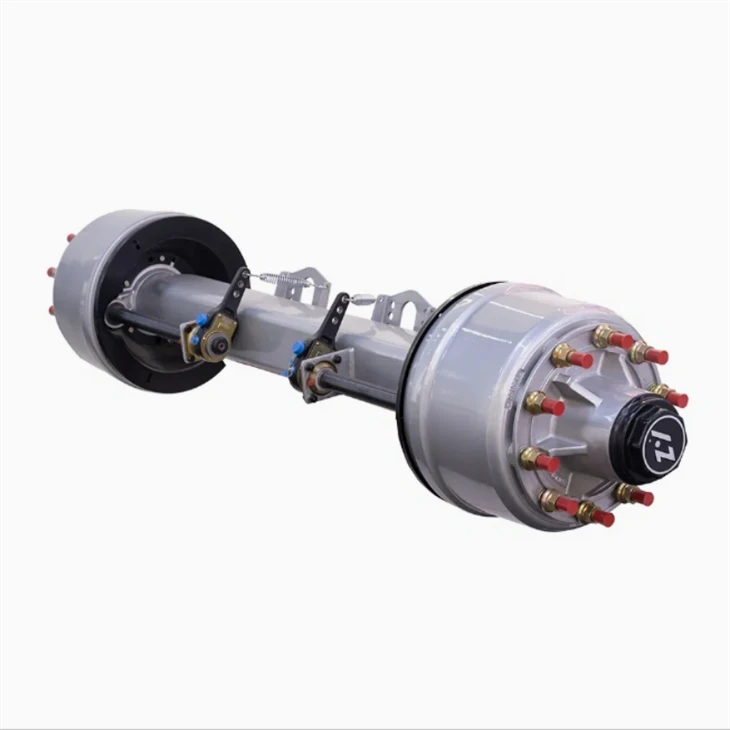
As a trailer axle supplier, we offer a wide range of high-quality axles to meet the needs of different trailers. Our Lowbed Series Axle is designed for heavy-duty applications, providing excellent load-carrying capacity and durability. The 10T Lightweight Axle is a great option for trailers that require a lightweight yet strong axle. And our German Style Axle is known for its precision engineering and high performance.
If you're in the market for a new trailer axle or need assistance with diagnosing and fixing an axle vibration problem, please don't hesitate to contact us. We're here to help you find the right solution for your trailer and ensure its safe and reliable operation.
References
- Automotive Maintenance and Light Repair, by James D. Halderman
- Trailer Axle Handbook, by Trailer Axle Manufacturers Association