

When it comes to the design and functionality of various products, the choice of components plays a crucial role in determining their overall performance. One such component that significantly impacts a product's characteristics is the built - in aluminum legs. As a supplier of built - in aluminum legs, I have witnessed firsthand how these legs can influence the overall weight of the product. In this blog, we will explore in detail how built - in aluminum legs affect the overall weight of the product.
The Nature of Aluminum
Aluminum is a lightweight metal with a density of about 2.7 g/cm³, which is approximately one - third the density of steel. This low density is the primary reason why aluminum is a popular choice for applications where weight reduction is a priority. When used in the form of built - in legs, aluminum can significantly reduce the overall weight of the product.

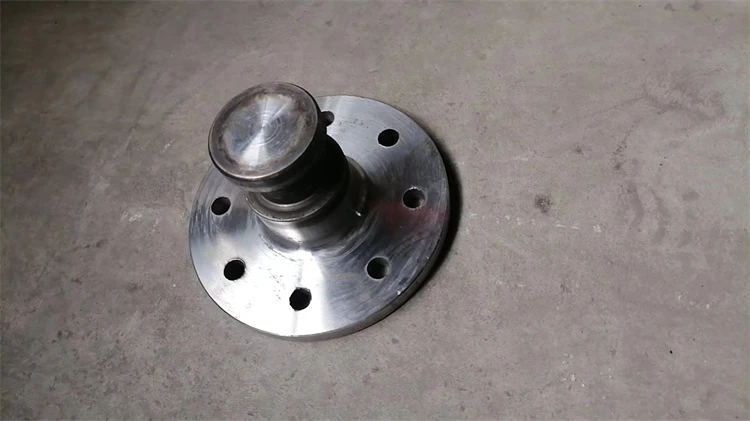
For example, consider a piece of industrial equipment that requires sturdy support legs. If traditional steel legs were used, the weight of the equipment would be much higher compared to using aluminum legs. This weight difference can have far - reaching implications for the product's handling, transportation, and energy consumption.
Impact on Transportability
The weight of a product is a critical factor when it comes to transportation. Heavier products require more fuel to move, whether it is by road, rail, air, or sea. By using built - in aluminum legs, the overall weight of the product is reduced, which in turn lowers the transportation costs.
For instance, in the case of Semi Trailer 50 Prefabricated Kingpin, a trailer with built - in aluminum legs will be lighter and easier to tow. This reduces the strain on the towing vehicle, improving fuel efficiency and potentially extending the lifespan of the vehicle's engine and transmission.
Influence on Installation and Handling
Lighter products are generally easier to install and handle. When a product has built - in aluminum legs, it becomes more maneuverable during the installation process. Workers can move and position the product with less effort, reducing the risk of injuries and increasing the efficiency of the installation.
In a warehouse setting, a shelving unit with aluminum legs can be easily repositioned as needed. This flexibility allows for better space utilization and more efficient operations. Similarly, in the construction industry, building components with aluminum legs can be more quickly and safely assembled on - site.
Structural Considerations
While aluminum is lightweight, it also has excellent strength - to - weight ratio. Modern aluminum alloys can provide sufficient strength to support the weight of the product without sacrificing durability. However, the design of the built - in aluminum legs must be carefully considered to ensure that they can withstand the loads they will be subjected to.
For example, in the design of Semi - trailer Plate Spring, the aluminum legs need to be engineered to support the weight of the trailer and its cargo. Through advanced engineering techniques and the use of appropriate alloys, it is possible to create aluminum legs that are both lightweight and strong.
Energy Efficiency
In many applications, the weight of a product can affect its energy consumption. For example, in the case of mobile equipment, a lighter product requires less energy to operate. This is particularly important in battery - powered devices, where reducing weight can extend the battery life.
A robot with built - in aluminum legs will consume less power during movement compared to a similar robot with heavier legs. This not only reduces the operating costs but also makes the product more environmentally friendly.
Cost - Benefit Analysis
Although aluminum may be more expensive per unit weight than some other materials, the long - term cost benefits of using built - in aluminum legs can be significant. The savings in transportation costs, installation time, and energy consumption can offset the initial higher cost of the aluminum legs.
Moreover, the increased durability and lower maintenance requirements of aluminum legs can also contribute to cost savings over the product's lifespan. For businesses, this can lead to a more competitive product in the market.
Applications in Different Industries
Automotive Industry
In the automotive industry, built - in aluminum legs are used in various components such as chassis and suspension systems. For example, Single Point Suspension systems with aluminum legs can reduce the unsprung weight of the vehicle, improving handling and ride quality. This also leads to better fuel efficiency as the engine has to work less to move the vehicle.
Furniture Industry
In the furniture industry, aluminum legs are a popular choice for modern and lightweight furniture designs. Tables, chairs, and cabinets with aluminum legs are not only easier to move around but also add a sleek and contemporary look to the furniture.
Aerospace Industry
The aerospace industry has always been at the forefront of using lightweight materials. Aluminum legs are used in aircraft components to reduce weight and improve fuel efficiency. Every kilogram of weight saved in an aircraft can result in significant cost savings over the lifetime of the aircraft.
Conclusion
In conclusion, built - in aluminum legs have a profound impact on the overall weight of the product. Their use can lead to reduced transportation costs, easier installation and handling, improved energy efficiency, and long - term cost savings. As a supplier of built - in aluminum legs, I am committed to providing high - quality products that meet the specific needs of different industries.
If you are interested in learning more about our built - in aluminum legs or are considering using them in your products, I encourage you to reach out to us for a consultation. We can work together to find the best solution for your weight - reduction and performance requirements.
References
- Ashby, M. F. (2005). Materials Selection in Mechanical Design. Butterworth - Heinemann.
- Dieter, G. E. (1986). Engineering Design: A Materials and Processing Approach. McGraw - Hill.
- Gell, M., Colosimo, P., & Michaleris, P. (Eds.). (2011). Aluminum Alloys: A Comprehensive Guide. John Wiley & Sons.


