

As a lightweight axle supplier, I've spent years diving deep into the world of axles. One of the most critical aspects we always focus on is optimizing the weight - to - strength ratio of a lightweight axle. Why is this so important? Well, a better weight - to - strength ratio means more efficiency, better performance, and cost - savings in the long run. Let's take a closer look at how we can achieve this.
Material Selection
The first and perhaps the most fundamental step in optimizing the weight - to - strength ratio is choosing the right materials. Traditional steel axles are strong, but they're also heavy. We've been exploring and adopting advanced materials like high - strength alloy steels and aluminum alloys.
High - strength alloy steels offer excellent strength while being relatively lighter than standard steels. They're engineered to have a higher yield strength and tensile strength, which means they can withstand more stress without deforming. Aluminum alloys, on the other hand, are significantly lighter. They have a low density, which directly contributes to reducing the overall weight of the axle. For instance, an aluminum alloy axle can be up to 50% lighter than a comparable steel axle.
However, aluminum alloys do have some limitations. They're not as strong as steel in terms of pure strength. But by using advanced alloying techniques and heat - treatment processes, we can enhance their strength properties. We've been working closely with material scientists to develop custom - made aluminum alloys that offer the right balance of weight and strength for our lightweight axles.
Design Optimization
Once we've selected the appropriate materials, the next step is to optimize the design of the axle. A well - designed axle can make the most of the material's properties and further improve the weight - to - strength ratio.
One of the key design concepts we use is the hollow - shaft design. Instead of using a solid shaft, a hollow shaft can reduce the weight significantly while maintaining a high level of strength. The hollow structure distributes the stress more evenly across the cross - section of the axle. This design also allows for better heat dissipation, which is crucial when the axle is under heavy loads and generating a lot of heat.
We also pay close attention to the shape and profile of the axle. Aerodynamic shapes can reduce drag and improve the overall efficiency of the vehicle. For example, a streamlined axle design can reduce wind resistance, which in turn reduces the energy required to move the vehicle. This not only saves fuel but also puts less stress on the axle, allowing us to potentially use lighter materials without sacrificing strength.
Another aspect of design optimization is the use of computer - aided design (CAD) and finite element analysis (FEA) software. These tools allow us to simulate different loading conditions and analyze the stress distribution within the axle. By making small adjustments to the design based on the simulation results, we can fine - tune the axle to achieve the best possible weight - to - strength ratio.
Manufacturing Processes
The manufacturing processes we use also play a vital role in optimizing the weight - to - strength ratio. Precision manufacturing techniques can ensure that the axle is made to the exact specifications and that the material properties are fully utilized.
Forging is one of the primary manufacturing processes we use for our lightweight axles. Forging involves shaping the metal by applying compressive forces. This process aligns the grain structure of the metal, which enhances its strength. Compared to casting, forging can produce axles with better mechanical properties and fewer internal defects.
Heat treatment is another crucial process. By subjecting the axle to specific heating and cooling cycles, we can modify the microstructure of the material and improve its strength and hardness. For example, quenching and tempering can increase the strength of high - strength alloy steels. We carefully control the heat - treatment parameters to ensure that the axle meets our strict quality standards.
In addition, we use advanced machining techniques to achieve tight tolerances. This ensures that all the components of the axle fit together perfectly, which is essential for maintaining the overall strength and performance of the axle.
Quality Control
Quality control is an ongoing process that starts from the raw material stage and continues throughout the manufacturing process. Ensuring the quality of the lightweight axle is essential for maintaining the optimal weight - to - strength ratio.
We conduct a series of tests on the raw materials to verify their properties. This includes chemical analysis to check the composition of the alloy, as well as mechanical testing to determine the strength and ductility. Once the axle is manufactured, we perform non - destructive testing (NDT) methods such as ultrasonic testing and magnetic particle testing to detect any internal defects.

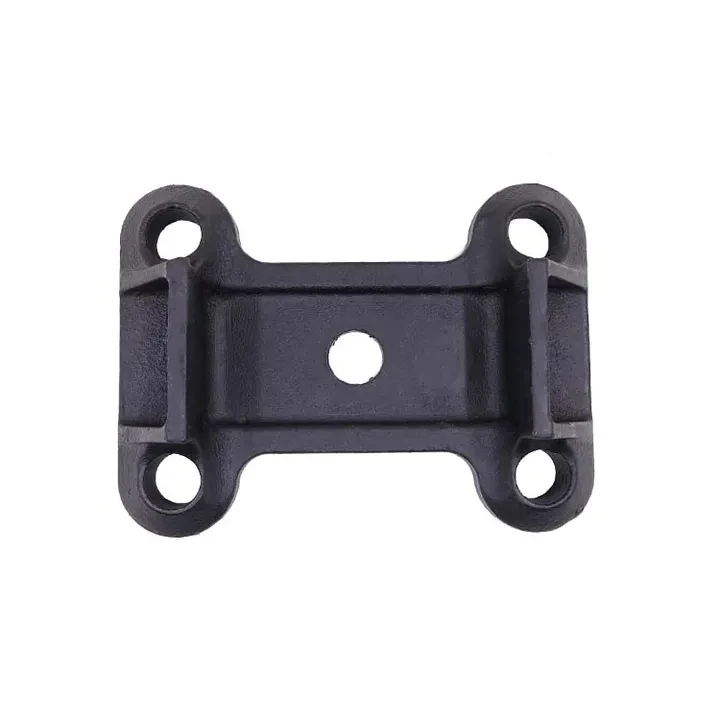
We also carry out performance testing on the finished axles. This involves subjecting the axles to real - world loading conditions in a test laboratory. We measure the stress, strain, and deflection of the axle under different loads to ensure that it meets our performance criteria. By continuously monitoring and improving our quality control processes, we can guarantee that each lightweight axle we produce offers the best possible weight - to - strength ratio.
Applications and Benefits
Our lightweight axles with optimized weight - to - strength ratios have a wide range of applications. They're ideal for trailers, where reducing weight can improve fuel efficiency and increase the payload capacity. You can find more information about our Lightweight Trailer Axles on our website.
For heavy - duty applications, our 10 Ton Lightweight Axle is a great option. It can handle large loads while still being lightweight, which is a significant advantage in industries such as construction and transportation.
In addition, our lightweight axles can be used in conjunction with American - style Suspension Kits. These suspension kits are designed to work seamlessly with our axles, providing a smooth and stable ride.
The benefits of using our lightweight axles are numerous. They reduce the overall weight of the vehicle, which in turn reduces fuel consumption. This not only saves money for the end - user but also has a positive impact on the environment by reducing emissions. The improved weight - to - strength ratio also means that the axles can handle higher loads, increasing the payload capacity of the vehicle.
Conclusion
Optimizing the weight - to - strength ratio of a lightweight axle is a complex but rewarding process. By carefully selecting materials, optimizing the design, using advanced manufacturing processes, and implementing strict quality control measures, we can produce lightweight axles that offer the best balance of weight and strength.
If you're in the market for high - quality lightweight axles, we'd love to hear from you. Whether you're a trailer manufacturer, a heavy - duty vehicle operator, or someone looking for a reliable axle solution, our team of experts is ready to assist you. Contact us to discuss your specific requirements and explore how our lightweight axles can meet your needs. Let's work together to achieve better efficiency and performance in your vehicles.
References
- Callister, W. D., & Rethwisch, D. G. (2017). Materials Science and Engineering: An Introduction. Wiley.
- Dieter, G. E. (1988). Mechanical Metallurgy. McGraw - Hill.
- Shigley, J. E., & Mischke, C. R. (2001). Mechanical Engineering Design. McGraw - Hill.


