

The air brake chamber is a critical component in the air brake system of commercial vehicles, trailers, and other heavy - duty equipment. As an air brake chamber supplier, I have witnessed firsthand the impact that the mounting position of the air brake chamber can have on the overall performance, safety, and efficiency of the braking system. In this blog post, I will delve into the importance of the air brake chamber's mounting position and why it should not be overlooked.

1. Ensuring Optimal Braking Force Transmission
The primary function of the air brake chamber is to convert compressed air energy into mechanical force, which is then used to apply the brakes. The mounting position plays a crucial role in ensuring that this force is transmitted efficiently to the brake components.
When the air brake chamber is mounted at the correct angle and location, it can generate a straight - line force that is directly aligned with the brake mechanism. This alignment minimizes the loss of force due to unnecessary bending or redirection, allowing the full force of the air pressure to be effectively transferred to the brake shoes or pads. For example, if the air brake chamber is mounted at an incorrect angle, a portion of the force generated will be wasted as lateral or diagonal forces, reducing the overall braking power.
2. Maintaining Braking System Balance
Proper mounting of air brake chambers is essential for maintaining the balance of the braking system. In a multi - axle vehicle or trailer, each axle's brakes must work in harmony to ensure smooth and stable braking. If the air brake chambers on different axles are not mounted correctly, it can lead to uneven braking forces.
For instance, if the air brake chamber on one axle is mounted too far forward or backward compared to the others, that axle may engage the brakes earlier or later than the rest. This imbalance can cause the vehicle to pull to one side during braking, increasing the risk of accidents, especially at high speeds or in adverse weather conditions. By carefully positioning the air brake chambers, we can ensure that all axles contribute equally to the braking process, providing a balanced and reliable braking performance.
3. Protecting the Air Brake Chamber from Damage
The mounting position also affects the air brake chamber's exposure to potential damage. Air brake chambers are often exposed to harsh operating conditions, including road debris, water, and extreme temperatures. Mounting the air brake chamber in a well - protected location can significantly extend its service life.
For example, mounting the air brake chamber away from the direct path of flying rocks and debris can prevent physical damage to the chamber housing. Additionally, positioning the chamber in a location where it is less likely to be submerged in water during wet road conditions can help prevent corrosion and internal damage. Some vehicles may benefit from mounting the air brake chambers higher up on the chassis, away from the splash zone.
4. Facilitating Maintenance and Inspection
A well - chosen mounting position can make maintenance and inspection of the air brake chamber much easier. Mechanics need easy access to the air brake chamber for routine checks, such as inspecting for leaks, checking the diaphragm condition, and adjusting the pushrod stroke.
If the air brake chamber is mounted in a cramped or hard - to - reach location, it can be difficult for maintenance personnel to perform these tasks effectively. This can lead to delayed or incomplete maintenance, which may compromise the safety and performance of the braking system. By mounting the air brake chamber in an accessible location, we can ensure that regular maintenance can be carried out efficiently, reducing the risk of unexpected failures.
5. Compatibility with Vehicle Design and Suspension Systems
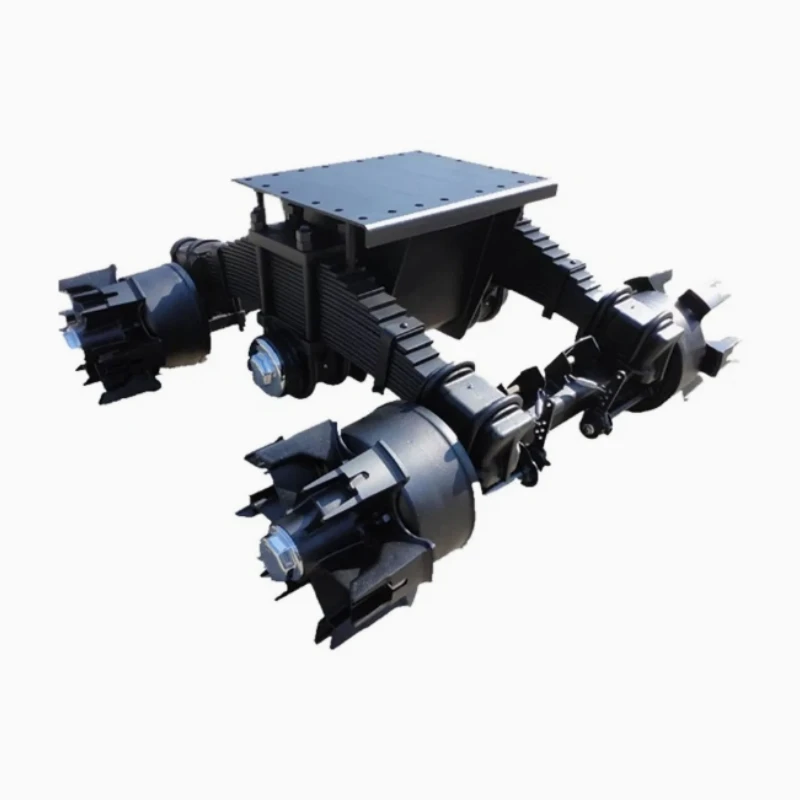
The mounting position of the air brake chamber must be compatible with the vehicle's overall design and suspension system. Different vehicles and trailers have unique suspension setups, such as Single Point Suspension, Linkage Leg, or Built in Support Legs.
The air brake chamber's mounting position needs to be adjusted to accommodate these suspension systems. For example, in a vehicle with a single - point suspension, the air brake chamber may need to be mounted in a way that allows for the movement and flexibility of the suspension without interfering with its operation. Failure to consider the compatibility between the air brake chamber mounting and the suspension system can lead to premature wear of both the brake chamber and the suspension components.
6. Meeting Regulatory Requirements
In many regions, there are strict regulations regarding the installation and mounting of air brake chambers. These regulations are in place to ensure the safety of commercial vehicles on the road. The mounting position is often specified to meet certain standards, such as minimum clearances, proper alignment, and protection from damage.
As an air brake chamber supplier, we are well - aware of these regulations and work closely with our customers to ensure that our products are mounted in compliance with all applicable laws. Failure to meet these regulatory requirements can result in fines, vehicle downtime, and, most importantly, a significant safety risk.
Conclusion
In conclusion, the mounting position of the air brake chamber is of utmost importance. It affects the braking system's performance, balance, durability, and compliance with regulations. As an air brake chamber supplier, we understand the critical role that proper mounting plays in the overall success of the braking system.
If you are in the market for high - quality air brake chambers and need advice on the correct mounting position for your specific vehicle or trailer, we are here to help. Our team of experts has extensive knowledge and experience in the field and can provide you with customized solutions to meet your needs. Contact us today to start a discussion about your air brake chamber requirements and let us work together to ensure the safety and efficiency of your braking system.
References
- SAE International Standards on Commercial Vehicle Braking Systems
- Federal Motor Carrier Safety Administration (FMCSA) Regulations on Air Brake Systems
- Manufacturer's Manuals for Commercial Vehicles and Trailers