

How does air suspension adjust ride height?
As a seasoned supplier in the air suspension industry, I've witnessed firsthand the transformative power of this technology in enhancing vehicle performance and comfort. One of the most notable features of air suspension is its ability to adjust ride height, a function that offers numerous benefits for different driving conditions and user needs. In this blog, I'll delve into the science behind how air suspension adjusts ride height and why it's a game - changer for many vehicle owners.
The Basics of Air Suspension
Before we explore height adjustment, let's understand the fundamental components of an air suspension system. An air suspension typically consists of air springs, an air compressor, air lines, and a control unit. The air springs, also known as air bags, are the key elements responsible for supporting the vehicle's weight. They are made of a flexible rubber or composite material that can expand and contract as air is added or removed.
The air compressor is the power source that pumps air into the air springs. It is connected to the air springs through a network of air lines. The control unit, often integrated with the vehicle's electronic system, monitors and regulates the amount of air in each air spring.
How Ride - Height Adjustment Works
The process of adjusting the ride height in an air suspension system is a carefully orchestrated sequence of actions. It all starts with the control unit, which receives input from various sensors installed on the vehicle. These sensors can detect factors such as the vehicle's speed, load, and road conditions.
Sensor Input
Speed sensors play a crucial role in ride - height adjustment. When the vehicle is traveling at high speeds, the control unit may receive a signal indicating the need for a lower ride height. A lower center of gravity improves stability and reduces aerodynamic drag, enhancing the vehicle's handling and fuel efficiency. On the other hand, when the vehicle is moving at low speeds or is about to encounter rough terrain, the sensors may trigger a height increase to provide more ground clearance.
Load sensors are also essential. If the vehicle is loaded with heavy cargo or passengers, the sensors detect the additional weight and send a signal to the control unit. The control unit then commands the air compressor to pump more air into the air springs, raising the ride height to maintain a proper level and prevent the vehicle from sagging.
Air Compressor and Air Lines
Once the control unit has determined the appropriate ride height based on the sensor input, it sends a signal to the air compressor. The air compressor then starts to pump air through the air lines into the relevant air springs. The air lines are designed to ensure a smooth and efficient flow of air to each air spring.
If the control unit decides that the vehicle needs to lower its ride height, it opens a valve in the air spring system. This allows air to escape from the air springs, reducing their volume and causing the vehicle to lower. The rate at which the air is added or removed can be precisely controlled, enabling a gradual and smooth adjustment of the ride height.
Manual vs. Automatic Ride - Height Adjustment
Some air suspension systems offer both manual and automatic ride - height adjustment options.
- Automatic Adjustment: As described above, automatic adjustment relies on the input from sensors and the control unit. It provides a hands - free solution that ensures the vehicle is always at the optimal ride height for the current driving conditions. This is particularly useful for drivers who want a hassle - free experience and don't want to worry about constantly adjusting the ride height themselves.
- Manual Adjustment: Manual adjustment allows the driver to take control of the ride height. This can be useful in certain situations, such as when the vehicle needs to be raised for off - road driving or lowered for easier access to a low - clearance garage. Manual adjustment is usually done through a control panel in the vehicle's cabin, where the driver can select the desired ride height.
Benefits of Ride - Height Adjustment
The ability to adjust the ride height offers several significant benefits:
- Enhanced Off - Road Performance: By raising the ride height, the vehicle gains more ground clearance, allowing it to navigate over rocks, uneven terrain, and deep ruts without getting stuck. This is a major advantage for off - road enthusiasts and those who need to drive in challenging environments.
- Improved Handling on Highways: Lowering the ride height at high speeds reduces the vehicle's center of gravity, which in turn improves stability and handling. This results in a safer and more comfortable driving experience, especially during high - speed maneuvers.
- Load - Carrying Capacity: When the vehicle is loaded, adjusting the ride height ensures that the vehicle remains level and stable. This not only improves the safety and comfort of the passengers but also helps to protect the vehicle's components from excessive stress.
Our Air Suspension Products
At our company, we offer a wide range of air suspension products designed to meet the diverse needs of our customers. Our Lifting Air Suspension is perfect for applications where the ability to raise and lower the vehicle quickly and easily is required. It provides a reliable solution for trailers and commercial vehicles that need to adapt to different loading and unloading conditions.
Our Air Suspension is a high - quality option for semi - trailers. It offers excellent ride comfort and stability, while also allowing for precise ride - height adjustment. This helps to reduce wear and tear on the vehicle and its components, resulting in lower maintenance costs over time.
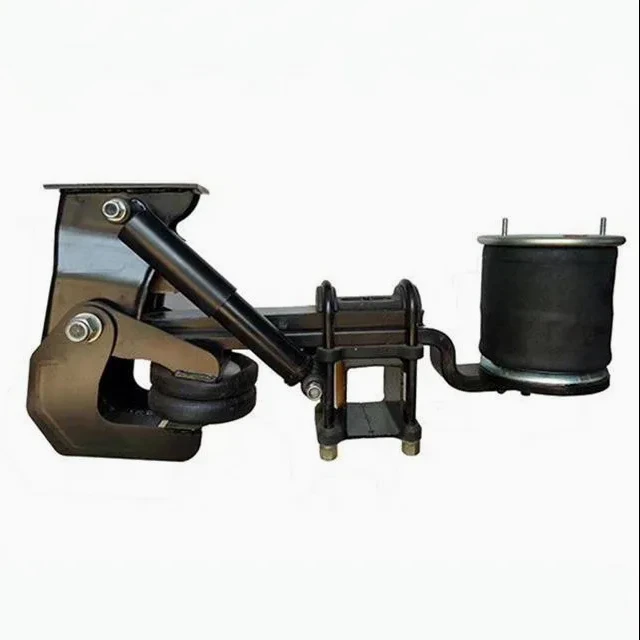
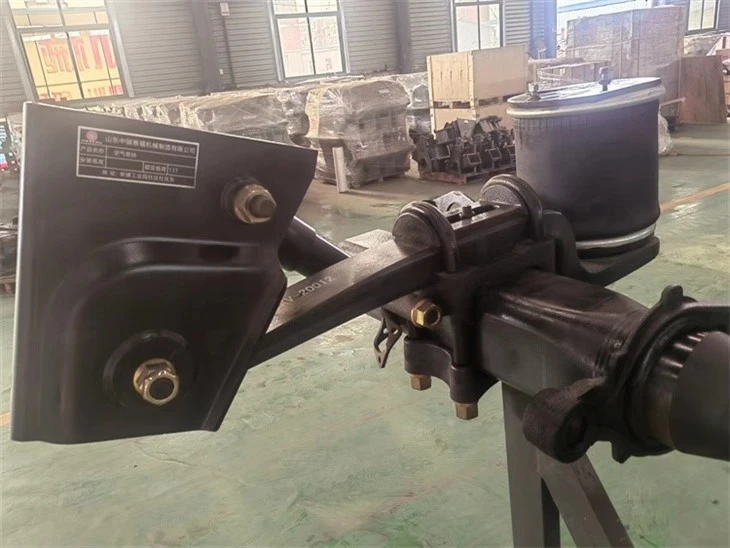
For those looking for a more advanced solution, our Air Suspension With Guide Arm provides enhanced control and performance. The guide arm helps to minimize lateral movement and ensures a smooth and stable ride, even on rough roads.
Contact Us for Purchasing and Consultation
If you're interested in improving your vehicle's performance and comfort with our air suspension products, we invite you to contact us for a detailed consultation. Our team of experts is ready to answer your questions and help you select the right air suspension system for your specific needs. Whether you're a commercial vehicle operator or an automotive enthusiast, we have the solution that will meet your requirements.
References
- Bosch Automotive Handbook, 8th Edition.
- Fundamentals of Vehicle Dynamics, Thomas D. Gillespie.


