

Air suspension systems have revolutionized the automotive and transportation industries, offering a range of benefits that enhance vehicle performance, comfort, and safety. As a leading air suspension supplier, I've witnessed firsthand the significant impact these systems can have on various aspects of vehicle operation, including tire wear. In this blog, we'll explore how air suspension affects tire wear and why it's a crucial consideration for fleet managers, vehicle owners, and operators.
Understanding Air Suspension
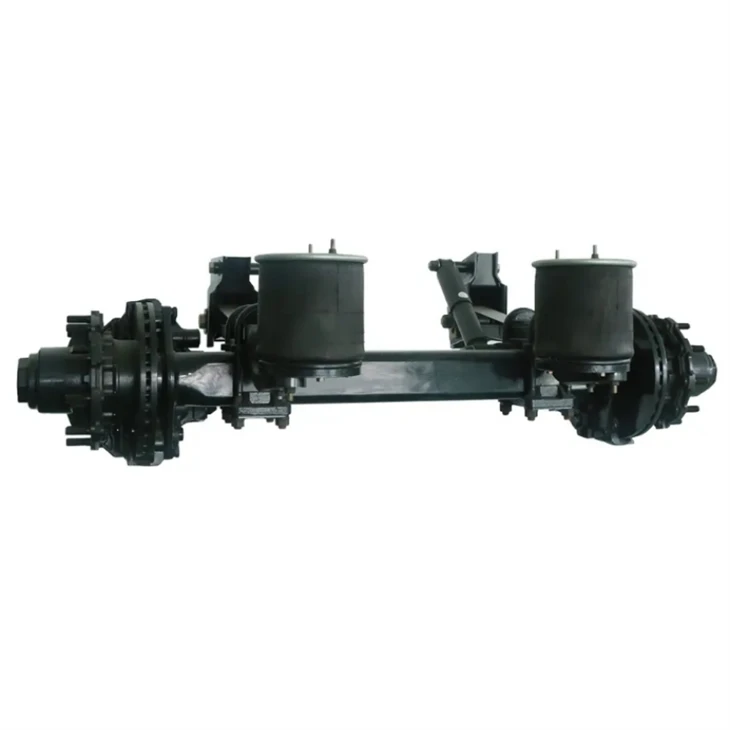
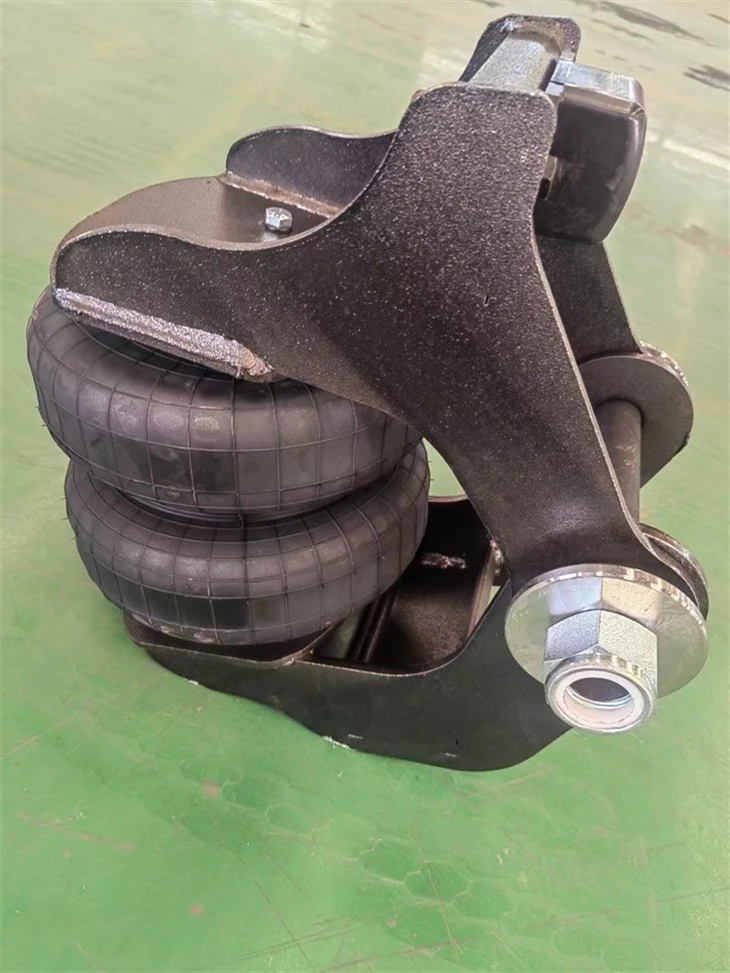
Before delving into the relationship between air suspension and tire wear, it's essential to understand what air suspension is and how it works. Air suspension systems use air springs, also known as airbags, to support the vehicle's weight instead of traditional steel springs. These airbags are filled with compressed air, which can be adjusted to change the ride height and stiffness of the suspension.
The primary advantage of air suspension is its ability to provide a smooth and comfortable ride by automatically adjusting to road conditions and load variations. This adaptability ensures that the vehicle maintains optimal ride height and stability, regardless of the weight it's carrying or the terrain it's traversing.
There are different types of air suspension systems available, each designed to meet specific needs and applications. For example, Air Suspension is commonly used in semi-trailers, offering improved load distribution and ride quality. Lifting Air Suspension allows for the lifting of axles, reducing tire wear when not in use, and improving fuel efficiency. Air Suspension With Guide Arm provides enhanced stability and control, making it ideal for heavy-duty applications.
How Air Suspension Impacts Tire Wear
Tire wear is a significant concern for vehicle owners and operators, as it directly affects safety, performance, and operating costs. Uneven tire wear can lead to reduced traction, increased braking distances, and a higher risk of tire failure. Air suspension systems can help mitigate these issues by providing several key benefits that promote even tire wear.
Improved Load Distribution
One of the primary ways air suspension impacts tire wear is by improving load distribution across all tires. Traditional suspension systems may not distribute the vehicle's weight evenly, especially when carrying heavy loads or towing trailers. This uneven distribution can cause excessive wear on certain tires, leading to premature failure.
Air suspension systems, on the other hand, can automatically adjust the air pressure in each airbag to ensure that the load is evenly distributed across all axles and tires. This balanced load distribution reduces the stress on individual tires, minimizing wear and extending their lifespan. For example, in a semi-trailer equipped with air suspension, the system can adjust the air pressure in the airbags to compensate for unevenly distributed cargo, ensuring that all tires wear evenly.
Enhanced Ride Quality
Another significant benefit of air suspension is its ability to provide a smoother and more comfortable ride. By absorbing shocks and vibrations from the road surface, air suspension reduces the impact on the tires, minimizing wear and tear. This is particularly important for vehicles that operate on rough or uneven roads, where traditional suspension systems may cause excessive bouncing and jarring, leading to accelerated tire wear.
The improved ride quality also helps to maintain proper tire contact with the road surface, ensuring optimal traction and handling. This reduces the likelihood of skidding and sliding, which can cause uneven tire wear and increase the risk of accidents.
Adjustable Ride Height
Air suspension systems offer the ability to adjust the ride height of the vehicle, which can have a significant impact on tire wear. By raising or lowering the vehicle, air suspension can optimize the tire's contact patch with the road surface, reducing wear and improving performance.
For example, in off-road applications, raising the ride height can provide additional ground clearance, allowing the vehicle to navigate rough terrain without damaging the tires. On the other hand, lowering the ride height can improve aerodynamics and handling at high speeds, reducing tire wear and improving fuel efficiency.
Reduced Vibration and Noise
Air suspension systems are also effective at reducing vibration and noise, which can have a positive impact on tire wear. Excessive vibration can cause the tires to wear unevenly, as it can lead to increased heat and friction. By absorbing vibrations, air suspension helps to keep the tires cool and reduces the risk of premature wear.
In addition, the reduced noise levels provided by air suspension can improve the overall driving experience and reduce driver fatigue. This can lead to more attentive driving, which in turn can reduce the likelihood of sudden stops and starts, further minimizing tire wear.
Case Studies and Real-World Examples
To illustrate the impact of air suspension on tire wear, let's take a look at some real-world examples and case studies.
Fleet Management
A large fleet management company recently switched from traditional suspension systems to air suspension on its trucks and trailers. After several months of operation, the company noticed a significant reduction in tire wear across its entire fleet. The air suspension systems were able to evenly distribute the load, reducing the stress on individual tires and extending their lifespan. As a result, the company was able to save on tire replacement costs and improve the overall efficiency of its operations.
Long-Haul Trucking
A long-haul trucking company was experiencing frequent tire failures and excessive wear on its trailers. After installing air suspension systems on its trailers, the company noticed a dramatic improvement in tire performance. The air suspension systems were able to adjust to the changing road conditions and load variations, ensuring that the tires wore evenly. This not only reduced the risk of tire failures but also improved the fuel efficiency of the trailers, saving the company money on operating costs.
Conclusion
In conclusion, air suspension systems have a significant impact on tire wear, offering several key benefits that promote even wear and extend the lifespan of tires. By improving load distribution, enhancing ride quality, providing adjustable ride height, and reducing vibration and noise, air suspension systems can help vehicle owners and operators save on tire replacement costs, improve safety, and enhance the overall performance of their vehicles.
As a leading air suspension supplier, we understand the importance of providing high-quality products that meet the specific needs of our customers. Our air suspension systems are designed to deliver superior performance, reliability, and durability, ensuring that your vehicles operate at their best.
If you're interested in learning more about how air suspension can benefit your fleet or vehicle, we invite you to contact us for a consultation. Our team of experts will be happy to answer your questions and provide you with the information you need to make an informed decision. Don't let tire wear cost you time and money – invest in air suspension today and experience the difference it can make.
References
- SAE International. (2023). "Principles of Vehicle Suspension Design."
- Michelin. (2023). "Tire Wear and Maintenance Guide."
- Continental. (2023). "Air Suspension Systems: Technology and Applications."


