

As an air suspension supplier, I've witnessed firsthand the transformative impact that air suspension systems have on buses. These systems not only enhance the comfort of passengers but also improve the overall performance and safety of the vehicle. In this blog, I'll delve into the workings of air suspension in buses, exploring its components, benefits, and how it compares to traditional suspension systems.
The Basics of Air Suspension
At its core, an air suspension system in a bus replaces the conventional steel springs with air springs, also known as air bags. These air springs are made of flexible rubber and are filled with compressed air. The amount of air in the air springs can be adjusted to control the height and stiffness of the suspension, providing a smoother and more comfortable ride.
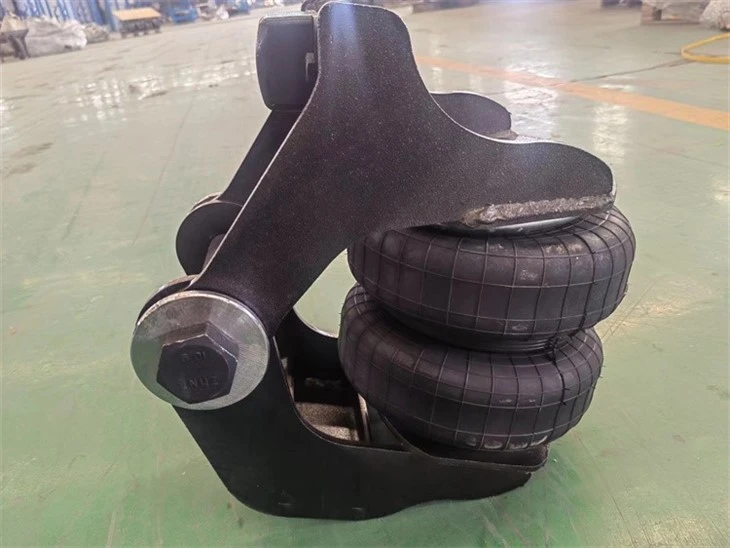
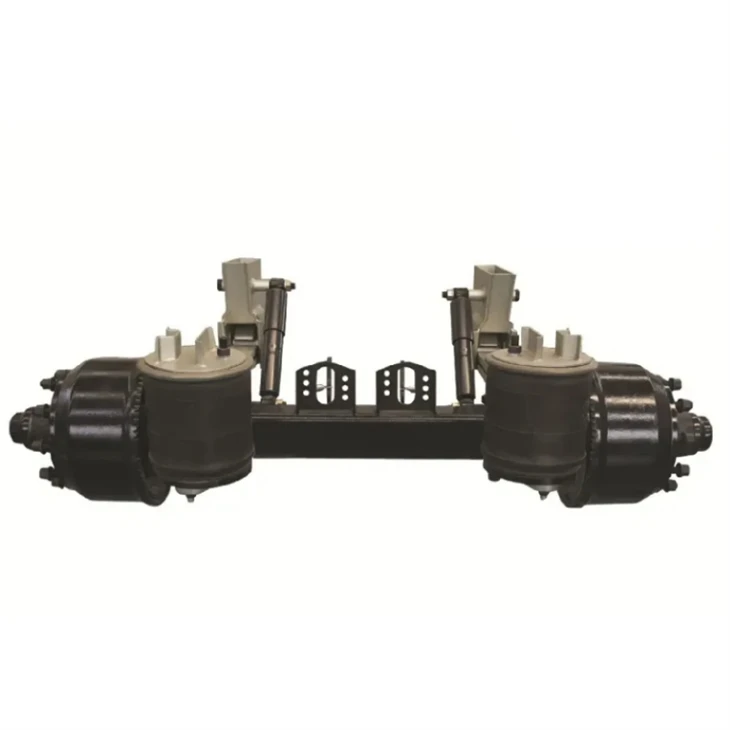
The air suspension system consists of several key components:
- Air Springs: These are the heart of the air suspension system. They are designed to support the weight of the bus and absorb shocks and vibrations from the road. Air springs come in various shapes and sizes, depending on the specific requirements of the bus.
- Compressor: The compressor is responsible for supplying compressed air to the air springs. It is typically powered by the bus's engine and is controlled by an electronic control unit (ECU).
- Air Reservoir: The air reservoir stores the compressed air generated by the compressor. It ensures that there is a constant supply of air available to the air springs, even when the compressor is not running.
- Valves: Valves are used to control the flow of air between the compressor, air reservoir, and air springs. They are also used to adjust the pressure in the air springs, allowing for precise control of the suspension height and stiffness.
- Electronic Control Unit (ECU): The ECU is the brain of the air suspension system. It monitors various sensors on the bus, such as the height sensors and acceleration sensors, and adjusts the air pressure in the air springs accordingly. This ensures that the suspension system provides optimal performance under all driving conditions.
How Air Suspension Works
The operation of an air suspension system in a bus can be divided into several stages:
- Initial Setup: When the bus is started, the compressor begins to generate compressed air and stores it in the air reservoir. The ECU then monitors the height sensors on the bus to determine the initial height of the vehicle. Based on this information, the ECU adjusts the air pressure in the air springs to achieve the desired suspension height.
- Normal Driving: During normal driving, the air suspension system continuously monitors the road conditions and the movement of the bus. The height sensors detect any changes in the vehicle's height, such as when the bus goes over a bump or through a dip. The ECU then adjusts the air pressure in the air springs to maintain a constant suspension height and provide a smooth ride.
- Load Adjustment: If the bus is carrying a heavy load, the air suspension system can automatically adjust the air pressure in the air springs to compensate for the additional weight. This ensures that the bus remains level and stable, even when fully loaded.
- Cornering and Braking: When the bus is cornering or braking, the air suspension system can adjust the air pressure in the air springs on each side of the vehicle to improve stability and handling. For example, when the bus is cornering, the air pressure in the air springs on the outside of the turn can be increased to reduce body roll and improve traction.
- Lifting and Lowering: Some air suspension systems in buses are equipped with a lifting function. This allows the bus to be raised or lowered for various purposes, such as loading and unloading passengers or adjusting the ground clearance. The lifting function is typically controlled by a switch inside the bus.
Benefits of Air Suspension in Buses
Air suspension systems offer several benefits over traditional suspension systems in buses:
- Improved Comfort: Air suspension systems provide a smoother and more comfortable ride for passengers. The air springs are able to absorb shocks and vibrations from the road more effectively than steel springs, reducing the amount of noise and vibration inside the bus.
- Enhanced Safety: Air suspension systems improve the stability and handling of the bus, especially when cornering or braking. The ability to adjust the air pressure in the air springs allows for precise control of the suspension height and stiffness, reducing the risk of rollovers and improving traction.
- Increased Durability: Air suspension systems are more durable than traditional suspension systems. The air springs are made of high-quality rubber and are designed to withstand the rigors of daily use. They also require less maintenance than steel springs, reducing the overall cost of ownership.
- Load Capacity: Air suspension systems can handle heavier loads than traditional suspension systems. The ability to adjust the air pressure in the air springs allows for precise control of the suspension height and stiffness, ensuring that the bus remains level and stable, even when fully loaded.
- Customization: Air suspension systems can be customized to meet the specific requirements of the bus. The air pressure in the air springs can be adjusted to suit different driving conditions and passenger preferences. This allows for a more personalized and comfortable ride.
Comparison with Traditional Suspension Systems
Traditional suspension systems in buses typically use steel springs and shock absorbers to support the weight of the vehicle and absorb shocks and vibrations from the road. While these systems are effective, they have several limitations compared to air suspension systems:
- Ride Comfort: Steel springs are less effective at absorbing shocks and vibrations from the road than air springs. This can result in a rougher and less comfortable ride for passengers.
- Stability and Handling: Traditional suspension systems are less able to adjust to changes in road conditions and vehicle load than air suspension systems. This can result in reduced stability and handling, especially when cornering or braking.
- Durability: Steel springs are more prone to wear and tear than air springs. They can also be damaged by corrosion and other environmental factors, reducing their lifespan.
- Load Capacity: Traditional suspension systems have a limited load capacity compared to air suspension systems. They may not be able to handle heavy loads without compromising the stability and handling of the bus.
- Customization: Traditional suspension systems are less customizable than air suspension systems. The stiffness and height of the suspension are typically fixed and cannot be adjusted to suit different driving conditions and passenger preferences.
Our Air Suspension Products
As an air suspension supplier, we offer a wide range of air suspension products for buses. Our products are designed to provide superior performance, comfort, and durability. Some of our popular products include:
- Air Suspension With Guide Arm: This air suspension system features a guide arm that provides additional stability and control. It is suitable for a variety of bus applications, including city buses, coach buses, and school buses.
- Lifting Air Suspension: This air suspension system is equipped with a lifting function, allowing the bus to be raised or lowered for various purposes. It is ideal for buses that need to load and unload passengers or adjust the ground clearance.
- Air Suspension: This air suspension system is a versatile and reliable option for buses. It provides a smooth and comfortable ride, improved stability and handling, and increased load capacity.
Conclusion
Air suspension systems have revolutionized the way buses are designed and operated. They offer numerous benefits over traditional suspension systems, including improved comfort, enhanced safety, increased durability, and greater load capacity. As an air suspension supplier, we are committed to providing high-quality air suspension products that meet the specific needs of our customers. If you are interested in learning more about our air suspension products or would like to discuss your specific requirements, please do not hesitate to contact us. We look forward to the opportunity to work with you and provide you with the best air suspension solutions for your buses.
References
- "Air Suspension Systems for Commercial Vehicles." SAE International, 2018.
- "The Basics of Air Suspension." RideTech, 2021.
- "Benefits of Air Suspension in Buses." Bus & Coach Buyer, 2020.


