

Hey there! As a supplier of lifting air suspension, I've had my fair share of discussions about how these bad boys perform in different conditions. Today, I wanna dig deep into how lifting air suspension performs in a snowy environment.
First off, let's talk about what lifting air suspension is. It's a type of suspension system that uses air springs to support the vehicle's weight. Unlike traditional suspension systems, it can adjust the ride height, which is super useful in various situations. Now, when it comes to snowy conditions, this adjustability can be a game - changer.
One of the main advantages of lifting air suspension in the snow is the ability to increase ground clearance. When there's a thick layer of snow on the road, a higher ground clearance means your vehicle is less likely to get stuck. You can raise the suspension to give your vehicle enough space to drive over snowdrifts without the undercarriage getting clogged with snow. For example, if you're using a truck with lifting air suspension for transporting goods in a snowy area, being able to lift the vehicle can prevent the snow from building up under the truck and potentially causing mechanical problems.
Another cool feature is the adjustable ride stiffness. In the snow, the road surface can be uneven due to snow accumulation and ice patches. With lifting air suspension, you can adjust the stiffness of the suspension to match the road conditions. A stiffer suspension can provide better stability when driving on hard - packed snow, reducing the chances of the vehicle swaying or sliding. On the other hand, a softer suspension can absorb the shocks better when driving over uneven snow - covered terrain, giving you a smoother ride.
Let's also consider traction. Traction is crucial in snowy conditions, and lifting air suspension can play a role here too. By adjusting the ride height and stiffness, you can optimize the weight distribution of the vehicle. When the weight is evenly distributed on all four wheels, it can improve the tire's grip on the snow - covered road. This is especially important for heavy - duty vehicles. For instance, a heavy - duty truck with Heavy Machinery Suspension can use the lifting air suspension to adjust its weight distribution and enhance traction, making it safer to drive on snowy highways.
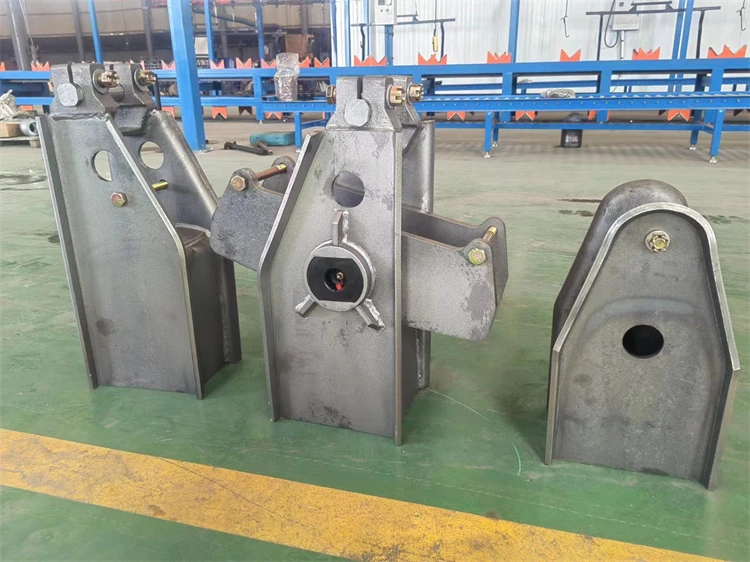
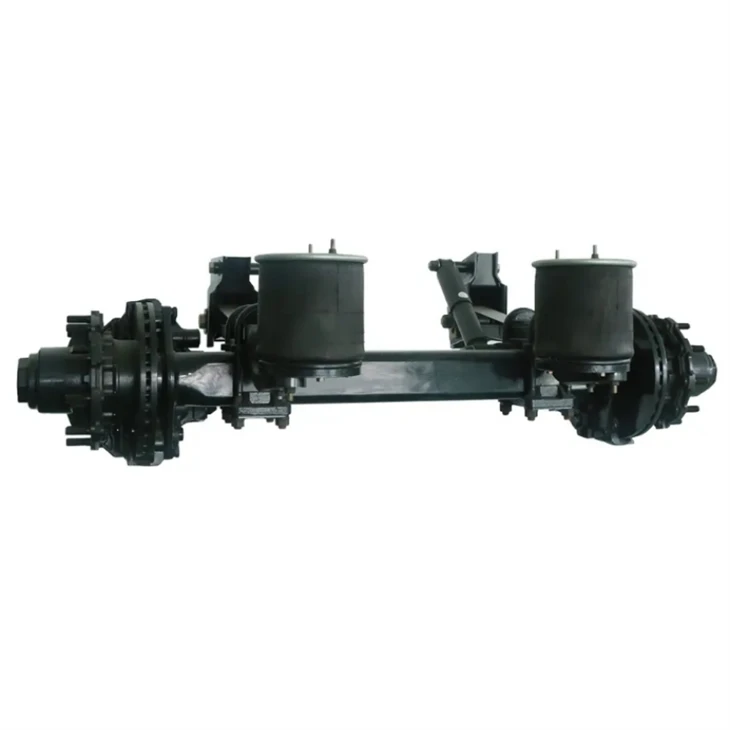
However, it's not all sunshine and rainbows. There are some challenges that lifting air suspension might face in a snowy environment. One of the main issues is the potential for ice and snow to accumulate on the air springs and other suspension components. If ice builds up on the air springs, it can affect their performance and even cause damage over time. The air lines that supply air to the suspension can also get clogged with ice, which can disrupt the normal operation of the suspension system.
To mitigate these problems, proper maintenance is key. Before heading out into the snow, make sure to check the suspension system for any signs of damage or wear. You can also install protective covers on the air springs to prevent snow and ice from directly contacting them. Regularly inspect the air lines and keep them clear of any blockages.
Now, let's talk about different types of lifting air suspension and how they perform in the snow. Air Suspension is a common type used in many vehicles. It offers good adjustability and can handle a wide range of loads. In the snow, its ability to adjust the ride height and stiffness can be very beneficial. It can adapt to different snow conditions, whether it's light flurries or a heavy snowstorm.
Air Suspension With Guide Arm is another option. The guide arm provides additional stability, which is great in snowy conditions where the road surface can be slippery. It helps to keep the wheels in the right position, reducing the chances of the vehicle veering off course.
In conclusion, lifting air suspension has both advantages and challenges in a snowy environment. Its adjustability in terms of ride height and stiffness can significantly improve a vehicle's performance, safety, and traction in the snow. However, proper maintenance is necessary to ensure its long - term reliability.
If you're in the market for a high - quality lifting air suspension for your vehicle, especially if you often drive in snowy areas, we're here to help. Our products are designed to meet the toughest conditions and provide you with a smooth and safe driving experience. Whether you need a suspension for a light - duty vehicle or a heavy - duty truck, we've got you covered. Reach out to us for more information and let's start a discussion about how our lifting air suspension can meet your needs.
References
- Automotive Suspension Systems Handbook
- Snow and Ice Driving Safety Manuals


