

As a supplier of axle axle heads, I've witnessed firsthand how the design of these components can significantly influence their performance. In this blog post, I'll delve into the various design aspects of axle axle heads and explore how they impact the overall performance of axles.
Material Selection
The choice of material for an axle axle head is fundamental to its performance. Different materials possess distinct properties that can affect strength, durability, and corrosion resistance. For instance, steel is a commonly used material due to its high strength and toughness. It can withstand heavy loads and is suitable for applications where the axle will be subjected to significant stress, such as in commercial trucks and trailers.
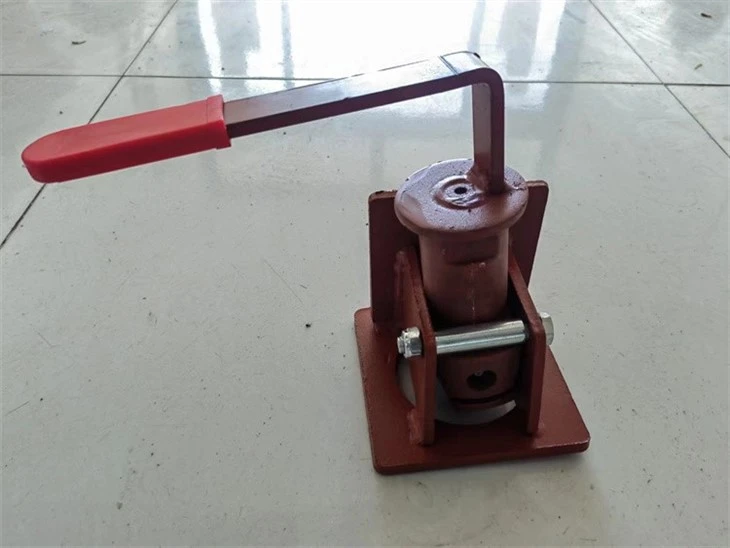
On the other hand, aluminum alloys are becoming increasingly popular in axle axle head design. Aluminum is lightweight, which can contribute to improved fuel efficiency in vehicles. Additionally, it has good corrosion resistance, making it ideal for use in marine or humid environments. However, aluminum may not be as strong as steel, so careful design considerations are necessary to ensure that the axle head can still meet the required performance standards.
The manufacturing process of the axle axle head also plays a crucial role in determining its performance. Precision machining is essential to ensure that the axle head has the correct dimensions and surface finish. Any deviations in size or shape can lead to improper fitment and increased wear and tear on the axle components.
Forging is a common manufacturing method for axle axle heads. This process involves shaping the metal by applying compressive forces, which can enhance the strength and integrity of the material. Casting, on the other hand, is a process where molten metal is poured into a mold to create the desired shape. While casting can be a cost - effective option, it may result in a less homogeneous structure compared to forging.
Geometric Design
The geometric design of an axle axle head can have a profound impact on its performance. The shape of the axle head affects how it distributes loads and interacts with other components in the axle system. For example, a well - designed axle head will have a smooth transition from the shaft to the mounting surface, which helps to reduce stress concentrations.
The diameter and length of the axle head are also important design parameters. A larger diameter axle head can generally handle higher loads, but it may also add weight to the vehicle. The length of the axle head must be carefully selected to ensure proper engagement with the wheel hub or other mating components.
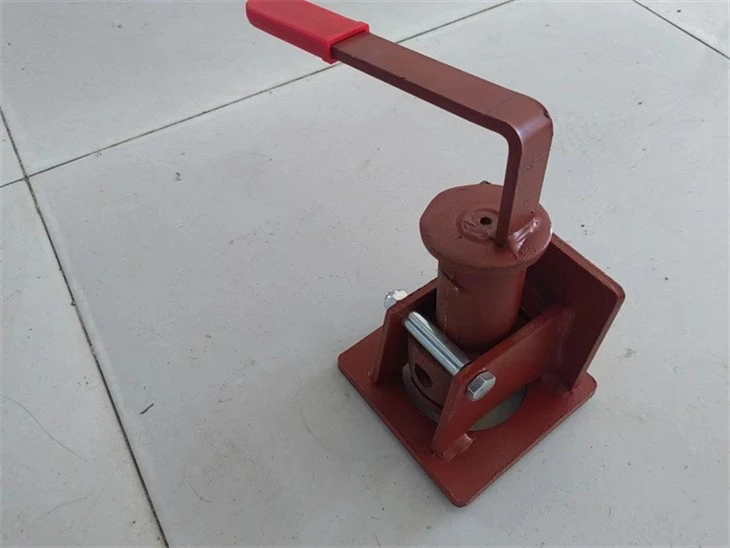
Another aspect of geometric design is the presence of features such as splines or keyways. These features are used to transmit torque between the axle and the wheel or other components. The design of these features, including their shape, size, and number, can affect the efficiency of torque transfer and the overall reliability of the axle system.

Bearing Design and Fit
The design of the bearings used in conjunction with the axle axle head is critical for its performance. Bearings support the axle and allow it to rotate smoothly. The type of bearing, such as ball bearings or roller bearings, can impact the load - carrying capacity and friction characteristics of the axle.
Proper bearing fit is also essential. If the bearing is too loose, it can lead to excessive movement and vibration, which can cause premature wear and failure of the bearing and other components. Conversely, if the bearing is too tight, it can generate excessive heat and increase the risk of bearing seizure.
The housing design for the bearings on the axle axle head is also important. The housing must provide adequate support and protection for the bearings, and it should be designed to prevent the ingress of dirt, water, and other contaminants.
Sealing Design
Sealing is an often - overlooked but crucial aspect of axle axle head design. Effective seals prevent the leakage of lubricants from the axle and the entry of contaminants such as dirt, water, and dust. Leakage of lubricants can lead to insufficient lubrication, which can cause increased friction, wear, and ultimately, component failure.
There are various types of seals available, including lip seals, mechanical seals, and labyrinth seals. The choice of seal depends on factors such as the operating environment, the speed of rotation, and the type of lubricant used. For example, in a dusty or wet environment, a more robust seal may be required to ensure reliable performance.
Impact on Vehicle Performance
The design of the axle axle head has a direct impact on the performance of the vehicle. A well - designed axle head can contribute to improved handling, stability, and safety. For example, proper load distribution through the axle head can help to reduce uneven tire wear, which can improve the lifespan of the tires and enhance the overall handling characteristics of the vehicle.
In addition, a lightweight axle head design can improve fuel efficiency by reducing the overall weight of the vehicle. This is particularly important in today's automotive industry, where there is a growing emphasis on reducing emissions and improving energy efficiency.
Applications and Compatibility
Axle axle heads are used in a wide range of applications, from passenger cars to heavy - duty trucks and trailers. Different applications have different performance requirements, and the design of the axle head must be tailored accordingly.
For example, in a trailer application, the axle axle head may need to be designed to accommodate specific trailer accessories. You can explore some of these accessories on our website: Linkage Leg, Twist Lock Container for Trailers, and Built - in Aluminum Legs. Compatibility with these accessories is essential to ensure the proper functioning and performance of the trailer.
Quality Control and Testing
To ensure that the axle axle heads meet the required performance standards, rigorous quality control and testing procedures are necessary. This includes dimensional inspection to ensure that the axle heads are within the specified tolerances, as well as material testing to verify the properties of the chosen material.
Testing may also involve performance testing, such as load testing to determine the maximum load - carrying capacity of the axle head, and durability testing to simulate real - world operating conditions over an extended period. By conducting these tests, we can identify any potential design flaws or manufacturing defects and make necessary improvements to enhance the performance and reliability of the axle axle heads.
Conclusion
In conclusion, the design of an axle axle head has a far - reaching impact on its performance. From material selection and manufacturing processes to geometric design, bearing fit, sealing, and compatibility with accessories, every aspect of the design must be carefully considered to ensure optimal performance.
As a supplier of axle axle heads, we are committed to providing high - quality products that meet the diverse needs of our customers. Whether you are in the automotive, trailer, or other industries, we have the expertise and resources to design and manufacture axle axle heads that deliver superior performance.

If you are interested in learning more about our axle axle heads or would like to discuss a potential purchase, we encourage you to reach out to us. Our team of experts is ready to assist you in finding the right axle axle head solutions for your specific requirements.
References
- Automotive Axle Design Handbook, Various Authors
- Engineering Materials and Their Applications, William D. Callister Jr.
- Mechanical Design Engineering Handbook, Myer Kutz


