

As a seasoned provider of bogie suspension systems, I've witnessed firsthand the critical role these components play in the performance and safety of various vehicles, especially trailers. In this blog, I'll walk you through the installation process of bogie suspension, offering insights based on years of industry experience.
Pre - installation Preparations
Before you even start the installation, it's crucial to gather all the necessary tools and materials. You'll need a set of wrenches, sockets, a torque wrench, a jack, and safety stands. Make sure you have the correct bogie suspension kit for your specific vehicle model. It's also advisable to have a clean and well - lit workspace, as this will make the installation process smoother and safer.
Inspect the new bogie suspension components carefully. Look for any signs of damage, such as cracks, dents, or missing parts. Check the bushings, springs, and shock absorbers for proper fit and quality. If you notice any issues, contact your supplier immediately. In our case, as a bogie suspension supplier, we offer high - quality products with strict quality control, ensuring that you receive a reliable and durable suspension system.
Removing the Old Suspension
The first step in the installation process is to remove the old suspension. Begin by safely raising the vehicle using a jack and securing it with safety stands. Make sure the vehicle is stable and level before proceeding.

Locate the bolts and nuts that connect the old bogie suspension to the vehicle frame. Use the appropriate wrenches and sockets to loosen and remove these fasteners. It's important to keep track of the bolts and nuts, as they may vary in size and thread pitch. In some cases, the old suspension may be rusted or corroded, making it difficult to remove the fasteners. You can use a penetrating oil to help loosen them.
Once the fasteners are removed, carefully lower the old suspension from the vehicle. Be cautious as the suspension may be heavy and awkward to handle. Inspect the mounting points on the vehicle frame for any signs of damage or wear. If necessary, clean the mounting points to ensure a proper fit for the new suspension.
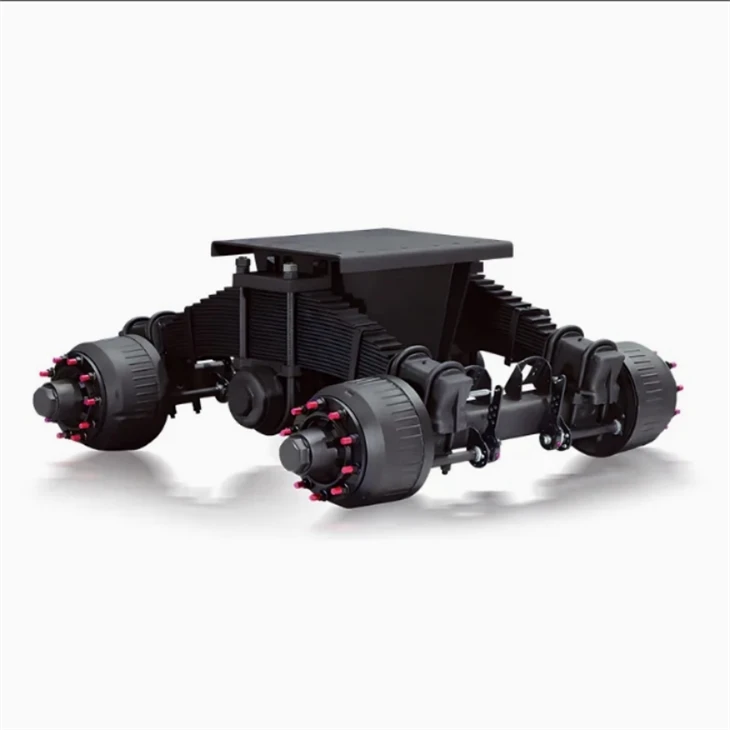
Installing the New Bogie Suspension
Now that the old suspension is removed, it's time to install the new one. Start by positioning the new bogie suspension under the vehicle frame at the appropriate mounting points. Align the holes in the suspension with the holes in the frame.
Insert the bolts and nuts through the holes and hand - tighten them initially. This will help hold the suspension in place while you make any necessary adjustments. Use a torque wrench to tighten the bolts and nuts to the manufacturer's specified torque values. Over - tightening or under - tightening the fasteners can lead to premature wear or failure of the suspension system.
Next, install the springs and shock absorbers. The springs provide the necessary support and cushioning, while the shock absorbers help control the movement of the suspension. Follow the manufacturer's instructions carefully when installing these components. Make sure they are properly seated and connected.
Adjusting the Suspension
After the new bogie suspension is installed, it's important to make the necessary adjustments. One of the key adjustments is the ride height. The ride height affects the vehicle's handling, stability, and ground clearance. Use a measuring tool to check the ride height at multiple points on the vehicle. If the ride height is not within the specified range, you may need to adjust the springs or other suspension components.
Another important adjustment is the alignment of the wheels. Proper wheel alignment ensures even tire wear and optimal handling. You can use a wheel alignment tool to check and adjust the camber, caster, and toe angles of the wheels. If you're not familiar with wheel alignment, it's recommended to have a professional perform this adjustment.
Testing the Suspension
Once the installation and adjustments are complete, it's time to test the bogie suspension. Lower the vehicle from the safety stands and take it for a short test drive. Pay attention to how the vehicle rides and handles. Listen for any unusual noises, such as rattling or squeaking, which could indicate a problem with the suspension.
Check the tire wear patterns after the test drive. Uneven tire wear may be a sign of improper alignment or suspension adjustment. If you notice any issues, stop the vehicle immediately and inspect the suspension system.
Advantages of Our Bogie Suspension
Our bogie suspension systems are designed with several advantages in mind. They offer excellent load - carrying capacity, ensuring that your vehicle can handle heavy loads safely and efficiently. The advanced design of our suspension also provides a smooth and comfortable ride, reducing driver fatigue and improving overall vehicle performance.
One of our notable products is the Single Point of Suspension. This innovative suspension design offers unique benefits, such as improved stability and better weight distribution. It's a great choice for trailers and other heavy - duty vehicles.
Contact Us for Procurement
If you're in the market for a high - quality bogie suspension system, look no further. As a leading bogie suspension supplier, we have the expertise and experience to provide you with the best products and services. Our team of professionals is ready to assist you with any questions you may have about the installation process, product selection, or maintenance.
Whether you're a small business owner looking to upgrade your fleet or a large logistics company in need of reliable suspension systems, we can meet your needs. Contact us today to start the procurement process and experience the difference our bogie suspension can make in your vehicles.
References
- Automotive Suspension Handbook by Klaus P. Pischinger
- Modern Vehicle Suspension Design by Genta G.


