

Bogie suspension is a crucial component in various types of vehicles, especially in heavy - duty trucks, trailers, and railway carriages. As a bogie suspension supplier, I often receive inquiries from customers about the lifespan of bogie suspension. In this blog, I will delve into the factors that affect the durability of bogie suspension and provide an estimate of how long it usually lasts.
Understanding Bogie Suspension
Before discussing its lifespan, it's important to understand what bogie suspension is. A bogie is a framework that holds a set of wheels on a vehicle. The suspension system within the bogie is designed to absorb shocks, vibrations, and loads from the road or track surface. It helps to provide a smooth ride, improve vehicle stability, and protect the vehicle's structure and its cargo.
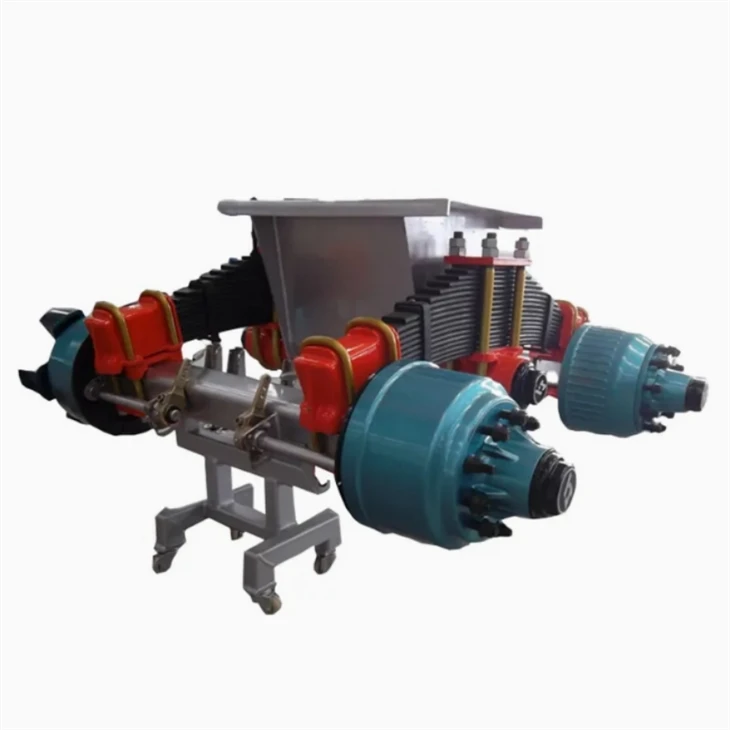
There are different types of bogie suspension systems, such as leaf spring suspension, air suspension, and Single Point of Suspension. Each type has its own characteristics, advantages, and potential lifespan.
Factors Affecting the Lifespan of Bogie Suspension
1. Usage Conditions
- Load Capacity: One of the most significant factors is the load that the bogie suspension has to carry. If a vehicle is consistently overloaded, the suspension components will experience excessive stress. For example, a trailer that is designed to carry a maximum of 20 tons but is frequently loaded with 30 tons will put additional strain on the springs, shock absorbers, and other parts of the bogie suspension. This can lead to premature wear and failure, reducing the lifespan of the suspension system.
- Terrain: The type of terrain the vehicle travels on also plays a crucial role. Vehicles operating on rough, unpaved roads or in areas with a lot of potholes and bumps will subject the bogie suspension to more severe impacts. In contrast, vehicles that mainly travel on smooth highways will experience less stress on the suspension. For instance, a mining truck operating in a rocky quarry will require more frequent suspension maintenance and replacement compared to a long - haul truck on a well - maintained interstate.
2. Maintenance Practices
- Regular Inspections: Regular inspections are essential for detecting early signs of wear and damage. Components such as springs, shock absorbers, bushings, and pivot points should be inspected for cracks, leaks, and excessive wear. If small issues are detected early, they can be repaired or replaced before they lead to more significant problems. For example, a small leak in a shock absorber can be fixed by replacing the seal, but if left unattended, it can cause the shock absorber to fail completely.
- Lubrication: Proper lubrication of moving parts is crucial for reducing friction and wear. Components like pivot points and bearings need to be lubricated at regular intervals. Without adequate lubrication, these parts can seize up, leading to uneven wear on other suspension components and ultimately shortening the lifespan of the bogie suspension.
3. Quality of Components
- Material Selection: The quality of materials used in the manufacturing of bogie suspension components has a direct impact on their durability. High - quality steel, for example, can withstand greater stress and corrosion compared to lower - grade materials. Springs made from high - strength alloy steel will be more resistant to fatigue and deformation over time.
- Manufacturing Processes: Advanced manufacturing processes ensure that components are produced with high precision and quality. For example, precision machining of pivot points and bushings can ensure a proper fit and reduce wear. Components that are heat - treated correctly will have better mechanical properties, making them more durable.
Estimated Lifespan of Bogie Suspension
1. Leaf Spring Suspension
Leaf spring suspension is one of the oldest and most common types of bogie suspension. In normal usage conditions, with proper maintenance, a leaf spring suspension can last anywhere from 100,000 to 200,000 miles (160,000 to 320,000 kilometers). However, if the vehicle is subjected to heavy loads or rough terrain, the lifespan may be reduced to 50,000 to 100,000 miles (80,000 to 160,000 kilometers).
The main components of leaf spring suspension, such as the springs themselves, can develop cracks or lose their elasticity over time. Shackles and bushings also wear out, which can affect the performance of the suspension.
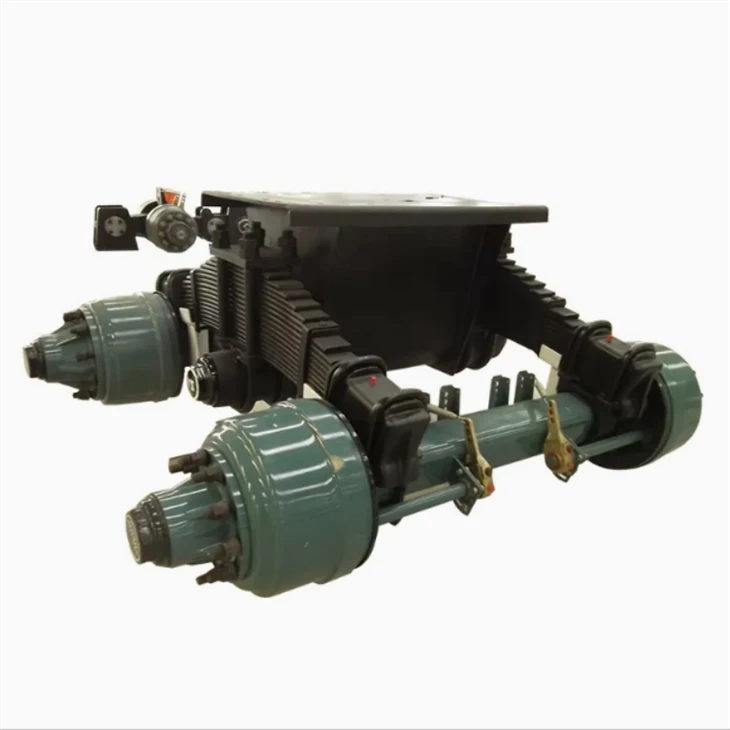
2. Air Suspension
Air suspension systems are known for providing a smoother ride and better load - leveling capabilities. In general, an air suspension system can last between 10 to 15 years or 150,000 to 250,000 miles (240,000 to 400,000 kilometers) under normal operating conditions. However, the air bags, which are a critical component of the system, may need to be replaced every 5 to 7 years or 80,000 to 120,000 miles (130,000 to 190,000 kilometers) due to wear and potential leaks.
Other components of the air suspension, such as valves, compressors, and height sensors, also require regular maintenance and may need to be replaced periodically.

3. Single Point of Suspension
The Single Point of Suspension offers unique advantages in terms of flexibility and load distribution. When properly maintained and used under normal conditions, it can have a lifespan similar to that of air suspension, around 10 to 15 years or 150,000 to 250,000 miles (240,000 to 400,000 kilometers). However, the single - point design may expose some components to more concentrated stress, so regular inspections are even more important.
Extending the Lifespan of Bogie Suspension
1. Adhere to Load Limits
It is essential for vehicle operators to follow the recommended load limits specified by the manufacturer. Overloading not only shortens the lifespan of the bogie suspension but also poses a safety risk. By ensuring that the vehicle is loaded within its capacity, the suspension components will experience less stress and wear.
2. Implement a Rigorous Maintenance Schedule
As mentioned earlier, regular inspections, lubrication, and replacement of worn - out parts are crucial. A detailed maintenance schedule should be established and followed. This includes checking the condition of springs, shock absorbers, air bags (if applicable), bushings, and other components at regular intervals.
3. Choose High - Quality Components
When it comes to replacing bogie suspension components, it is always advisable to choose high - quality parts. While they may be more expensive upfront, they will last longer and provide better performance, ultimately saving money in the long run.
Conclusion
The lifespan of bogie suspension can vary significantly depending on usage conditions, maintenance practices, and the quality of components. On average, leaf spring suspension can last 100,000 - 200,000 miles, air suspension 150,000 - 250,000 miles, and Single Point of Suspension also in the range of 150,000 - 250,000 miles under normal circumstances.
As a bogie suspension supplier, we are committed to providing high - quality products and offering expert advice on maintenance. If you are in the market for bogie suspension or need more information about our products, we encourage you to contact us for procurement and further discussions.
References
- Automotive Engineering Handbook, Society of Automotive Engineers
- Railway Vehicle Dynamics: A Compendium, by John F. Whelan
- Truck and Trailer Maintenance Guide, published by the Commercial Vehicle Safety Alliance


