

How to calculate the load capacity of a trailer axle?
As a seasoned trailer axle supplier, I've encountered numerous inquiries regarding the calculation of a trailer axle's load capacity. Understanding this crucial aspect is fundamental for ensuring the safety, efficiency, and longevity of your trailer. In this blog, I'll guide you through the process of calculating the load capacity of a trailer axle, providing you with the knowledge you need to make informed decisions.
Understanding the Basics
Before delving into the calculations, it's essential to grasp some basic concepts related to trailer axles. The load capacity of a trailer axle refers to the maximum weight it can safely carry. This capacity is determined by several factors, including the axle's design, materials, and manufacturing specifications.
One of the primary factors influencing load capacity is the axle's rating. Axles are typically rated in pounds or kilograms, indicating the maximum weight they can support. This rating is established by the manufacturer based on rigorous testing and engineering standards. It's important to note that exceeding the axle's rated capacity can lead to premature wear, damage, and even safety hazards.
Another crucial consideration is the distribution of weight on the axle. Uneven weight distribution can put excessive stress on certain parts of the axle, increasing the risk of failure. To ensure proper weight distribution, it's essential to position the load evenly across the axle and trailer.
Factors Affecting Load Capacity
Several factors can affect the load capacity of a trailer axle. Understanding these factors is essential for accurately calculating the maximum weight your axle can safely carry.
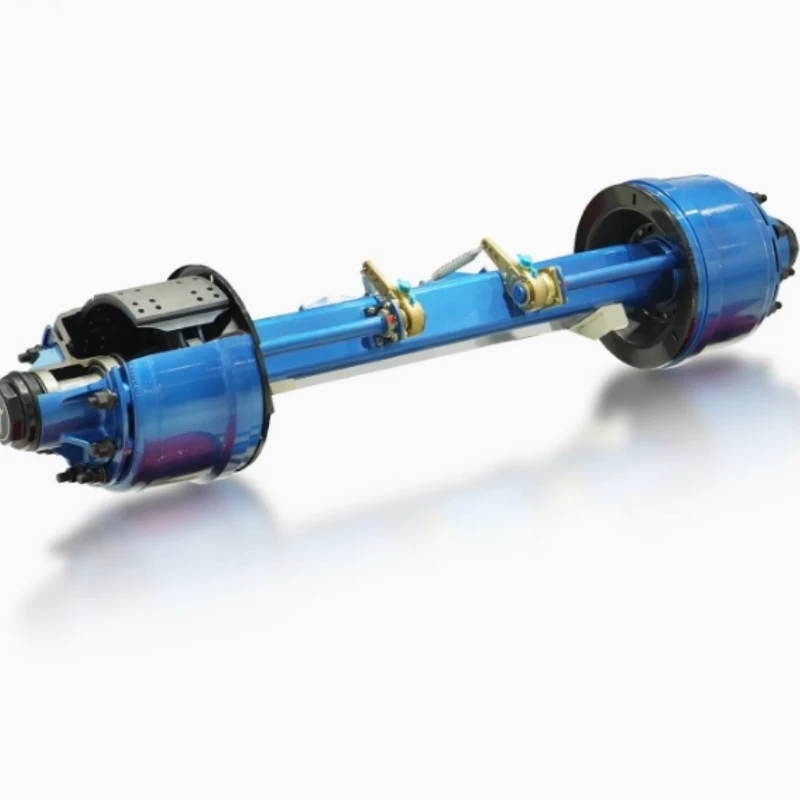

- Axle Design: The design of the axle plays a significant role in determining its load capacity. Different axle designs, such as straight axles, drop axles, and tandem axles, have varying load-carrying capabilities. Straight axles are typically used for lighter loads, while drop axles and tandem axles are designed to handle heavier weights.
- Materials: The materials used in the construction of the axle also impact its load capacity. High-strength steel is commonly used in trailer axles due to its durability and ability to withstand heavy loads. The quality and thickness of the steel can affect the axle's strength and load-carrying capacity.
- Brakes: The type and size of the brakes installed on the axle can influence its load capacity. Brakes are designed to slow down or stop the trailer, and their performance is crucial for safe operation. Axles with larger brakes or more advanced braking systems can typically handle heavier loads.
- Suspension: The suspension system of the trailer also plays a role in determining the load capacity of the axle. A well-designed suspension system helps distribute the weight evenly across the axles and reduces the stress on the axle. Suspension systems can include leaf springs, air springs, or torsion axles, each with its own load-carrying capabilities.
- Tire Rating: The rating of the tires used on the trailer is another important factor to consider. Tires are the only point of contact between the trailer and the road, and their load-carrying capacity must be sufficient to support the weight of the trailer and its cargo. It's essential to choose tires with a load rating that matches or exceeds the load capacity of the axle.
Calculating the Load Capacity
Now that you understand the basic concepts and factors affecting load capacity, let's explore how to calculate the maximum weight your trailer axle can safely carry.
- Determine the Axle Rating: The first step in calculating the load capacity is to determine the axle rating. This information can usually be found on a label or sticker located on the axle or in the trailer's owner's manual. The axle rating is typically expressed in pounds or kilograms and represents the maximum weight the axle can support.
- Account for the Trailer's Weight: Next, you need to account for the weight of the trailer itself. This includes the weight of the frame, body, wheels, tires, and any other components. The trailer's weight can usually be found on the vehicle's registration or in the owner's manual.
- Calculate the Payload Capacity: The payload capacity is the maximum weight of the cargo that can be safely carried on the trailer. To calculate the payload capacity, subtract the weight of the trailer from the axle rating. For example, if the axle rating is 5,000 pounds and the trailer weighs 2,000 pounds, the payload capacity would be 3,000 pounds.
- Consider the Number of Axles: If your trailer has multiple axles, you need to consider the load distribution between the axles. The total load capacity of the trailer is the sum of the load capacities of all the axles. However, it's important to ensure that the weight is evenly distributed across the axles to avoid overloading any single axle.
- Factor in Safety Margins: When calculating the load capacity, it's always a good idea to factor in a safety margin. This accounts for any unexpected weight variations or additional stress on the axle. A safety margin of 10-20% is commonly recommended to ensure safe operation.
Example Calculation
Let's walk through an example calculation to illustrate how to determine the load capacity of a trailer axle.
Suppose you have a single-axle trailer with an axle rating of 3,500 pounds. The trailer weighs 1,000 pounds. To calculate the payload capacity, subtract the weight of the trailer from the axle rating:
Payload Capacity = Axle Rating - Trailer Weight
Payload Capacity = 3,500 pounds - 1,000 pounds
Payload Capacity = 2,500 pounds
In this example, the maximum weight of the cargo that can be safely carried on the trailer is 2,500 pounds. However, it's important to note that this calculation assumes proper weight distribution and the use of tires with a load rating that matches or exceeds the axle's capacity.
Importance of Proper Load Capacity Calculation
Calculating the load capacity of a trailer axle accurately is crucial for several reasons.
- Safety: Overloading a trailer axle can significantly increase the risk of accidents. Excessive weight can cause the axle to fail, leading to loss of control, tire blowouts, and other dangerous situations. By ensuring that the load is within the axle's rated capacity, you can help prevent these safety hazards.
- Longevity: Overloading a trailer axle can also shorten its lifespan. Excessive stress on the axle can cause premature wear and damage to the components, leading to costly repairs or replacements. By operating the trailer within the axle's load capacity, you can extend its lifespan and reduce maintenance costs.
- Legal Compliance: In many jurisdictions, there are laws and regulations governing the maximum weight that can be carried on a trailer. Overloading a trailer can result in fines, penalties, and even legal liability. By calculating the load capacity accurately and adhering to the legal limits, you can avoid these potential issues.
Our Trailer Axle Products
At our company, we offer a wide range of high-quality trailer axles designed to meet the diverse needs of our customers. Our axles are engineered to provide exceptional load-carrying capacity, durability, and performance.
One of our popular products is the 10T Lightweight Axle. This axle is specifically designed for applications where weight reduction is crucial without compromising on strength and load capacity. With its advanced design and high-strength materials, the 10T Lightweight Axle offers excellent performance and reliability.
Another option is our Lowbed Series Axle. This axle is commonly used in lowbed trailers, which are designed to transport heavy and oversized loads. The Lowbed Series Axle is built to withstand the extreme conditions and heavy loads associated with these applications, providing superior stability and safety.
For customers looking for a high-performance axle with a European design, our German Style Axle is an excellent choice. This axle incorporates advanced engineering and manufacturing techniques to deliver exceptional load-carrying capacity, smooth operation, and long service life.
Contact Us for More Information
If you have any questions about calculating the load capacity of a trailer axle or are interested in our trailer axle products, please don't hesitate to contact us. Our team of experts is available to provide you with the information and support you need to make the right decision for your trailer.
We understand that choosing the right trailer axle is crucial for the success of your business. That's why we are committed to providing our customers with the highest quality products and exceptional customer service. Whether you need a single axle or a complete trailer axle system, we have the expertise and resources to meet your needs.
Contact us today to discuss your requirements and explore our range of trailer axle solutions. We look forward to working with you!
References
- SAE International. (2021). Recommended Practice for Design and Performance of Trailer Axles. SAE J2210.
- National Highway Traffic Safety Administration. (2021). Federal Motor Vehicle Safety Standards. 49 CFR Part 571.
- Trailer Manufacturers Association. (2021). Trailer Industry Standards and Guidelines.


