

Hey there! I'm a supplier of semi trailers, and I've been in this game for quite a while. One question I get asked a lot is how to improve the fuel efficiency of a semi trailer. It's a big deal, right? With fuel prices always on the rise, every bit of savings counts. So, let's dive into some practical tips that can help you get more miles out of every gallon.
Aerodynamics Matter
First off, let's talk about aerodynamics. You know how a sleek sports car cuts through the air more easily than a big, boxy SUV? Well, the same principle applies to semi trailers. A well - designed trailer can reduce wind resistance, which in turn saves fuel.
One way to improve aerodynamics is by using a fairing. A fairing is like a shield that goes on the front of the trailer. It helps to direct the air smoothly over the top and around the sides of the trailer, rather than having it crash into the flat front surface. Some fairings are adjustable, so you can customize them based on the load and driving conditions.
Another option is side skirts. These are panels that go along the sides of the trailer, close to the ground. They prevent air from getting trapped under the trailer and causing drag. Side skirts can be made of different materials, like fiberglass or plastic. They're relatively easy to install and can make a noticeable difference in fuel efficiency.
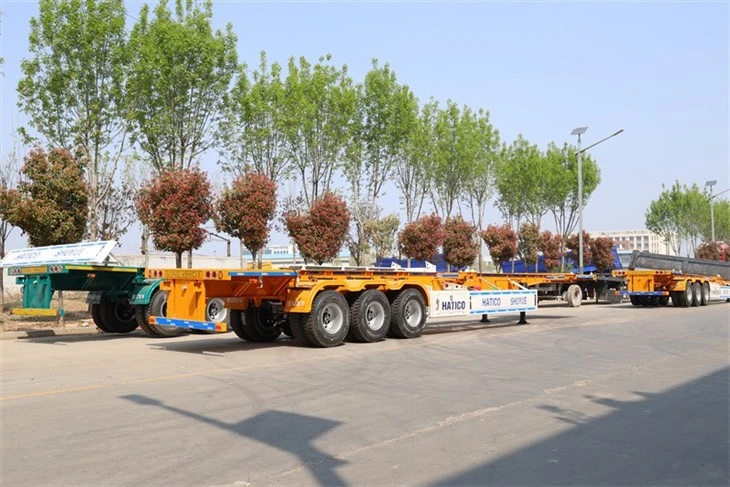
And don't forget about the trailer's shape. Modern semi trailers are often designed with rounded edges and a tapered rear. This helps the air flow off the trailer more cleanly, reducing turbulence and drag. For example, the Skeleton Transport Semi - trailer has a streamlined design that takes aerodynamics into account, which can lead to better fuel economy.
Proper Tire Maintenance
Tires are another crucial factor in fuel efficiency. Under - inflated tires increase rolling resistance, which means your engine has to work harder to move the trailer. This uses up more fuel. So, make sure to check your tire pressure regularly. You should aim for the recommended pressure level, which is usually listed on the tire sidewall or in the trailer's manual.
In addition to proper inflation, the type of tires you use also matters. Low - rolling - resistance tires are designed to reduce the energy lost as the tire rolls. They have special tread patterns and rubber compounds that make them more efficient. They might cost a bit more upfront, but the fuel savings over time can more than make up for it.
Also, keep an eye on tire wear. Worn - out tires not only affect safety but also fuel efficiency. If the tread is too low, the tire's grip and performance can be compromised, and it may require more energy to move. Replace your tires when they reach the recommended wear limit.

Load Management
How you load your semi trailer can have a big impact on fuel efficiency. First of all, try to keep the load as balanced as possible. An uneven load can cause the trailer to tilt, which increases drag and makes the vehicle harder to handle. Distribute the weight evenly across the trailer, and make sure it's centered.
Another thing to consider is the amount of load. Overloading your trailer is not only illegal but also very inefficient. The more weight the trailer has to carry, the more fuel the engine needs to burn to move it. So, stick to the trailer's maximum load capacity.
If you're making multiple stops and pickups, plan your loading and unloading sequence carefully. Try to unload the items that are needed first from the front of the trailer, so you don't have to move the entire load around. This can save time and energy.
Engine and Transmission Tuning
Your semi trailer's engine and transmission play a huge role in fuel efficiency. Make sure the engine is properly maintained. Regular oil changes, air filter replacements, and tune - ups can keep the engine running smoothly and efficiently. A dirty air filter, for example, can restrict air flow to the engine, causing it to burn more fuel.
The transmission also needs to be in good shape. Modern semi trailers often have advanced transmissions with multiple gears. Using the right gear at the right time can optimize fuel consumption. For example, when you're going uphill, downshifting to a lower gear can prevent the engine from overworking and wasting fuel.
Some trailers also come with engine management systems that can adjust the engine's performance based on driving conditions. These systems can automatically optimize fuel injection and ignition timing, which can lead to significant fuel savings.
Driving Habits
Believe it or not, your driving habits can have a major impact on fuel efficiency. Aggressive driving, like rapid acceleration and hard braking, uses a lot more fuel than smooth, steady driving. When you accelerate quickly, the engine has to work harder to increase the speed, and when you brake suddenly, you waste the energy that was used to get the trailer moving.
Try to maintain a consistent speed. Using cruise control on the highway can help with this. It keeps the vehicle at a steady speed, which is more fuel - efficient than constantly speeding up and slowing down.
Also, anticipate traffic conditions. If you see a red light up ahead, start coasting early instead of continuing to drive at full speed and then braking at the last minute. This can save a surprising amount of fuel over time.
Idling Reduction
Idling is a big fuel - waster. When your semi trailer's engine is running but the vehicle isn't moving, it's still burning fuel. If you're going to be stopped for more than a minute or two, turn off the engine. This is especially important in cold weather, when many drivers leave the engine running to keep the cab warm. Instead, consider using auxiliary power units (APUs) or battery - powered heaters. These can provide heat or power to the cab without running the main engine, saving fuel.
Regular Inspections and Maintenance
Finally, regular inspections and maintenance are key to keeping your semi trailer's fuel efficiency at its best. Have your trailer checked by a professional mechanic on a regular basis. They can spot any potential problems, like leaks, worn - out parts, or misaligned components, before they become major issues.
A well - maintained trailer is not only more fuel - efficient but also safer. It reduces the risk of breakdowns on the road, which can be costly and dangerous.
In conclusion, improving the fuel efficiency of a semi trailer is a combination of good design, proper maintenance, and smart driving habits. By following these tips, you can save a significant amount of money on fuel costs over time.
If you're in the market for a new semi trailer or want to learn more about how to improve the fuel efficiency of your current one, I'd love to talk to you. Whether you're a small - scale hauler or a large - fleet operator, I can provide you with the right solutions. Let's start a conversation about how we can work together to make your operations more efficient and cost - effective.
References
- SAE International. "Aerodynamics of Heavy Vehicles: Trucks, Buses, and Trains."
- Tire and Rim Association. "Tire Maintenance Guidelines for Commercial Vehicles."
- Department of Transportation. "Load Management Regulations for Commercial Trailers."


