

As a supplier of built-in aluminum legs, I've had the privilege of witnessing the widespread adoption of these products across various industries. Built-in aluminum legs offer numerous advantages, such as lightweight construction, corrosion resistance, and high strength-to-weight ratio. However, like any product, they also come with potential drawbacks that customers should be aware of before making a purchasing decision. In this blog post, I'll explore some of the potential drawbacks of built-in aluminum legs and discuss how they can impact your specific application.
1. Cost
One of the most significant drawbacks of built-in aluminum legs is their cost. Aluminum is generally more expensive than other materials commonly used for support legs, such as steel. The higher cost of aluminum can be attributed to several factors, including the raw material cost, manufacturing processes, and the energy required to produce aluminum. As a result, built-in aluminum legs may not be the most cost-effective option for budget-conscious customers or applications where cost is a primary concern.
However, it's important to consider the long-term value of built-in aluminum legs. While the initial investment may be higher, aluminum legs offer several benefits that can offset the cost over time. For example, their corrosion resistance means they require less maintenance and have a longer lifespan compared to steel legs. Additionally, their lightweight construction can reduce fuel consumption and transportation costs, especially in applications where the legs are frequently moved or transported.
2. Lower Load Capacity
Another potential drawback of built-in aluminum legs is their lower load capacity compared to steel legs. Aluminum has a lower density and modulus of elasticity than steel, which means it is less stiff and can deform more easily under load. As a result, aluminum legs may not be suitable for applications that require high load-bearing capacity or where heavy loads are frequently applied.
However, advancements in aluminum alloy technology have led to the development of high-strength aluminum alloys that can offer comparable load capacity to steel legs. These alloys are specifically designed to provide increased strength and stiffness while maintaining the lightweight and corrosion-resistant properties of aluminum. When selecting built-in aluminum legs, it's important to choose a product that is designed to meet the specific load requirements of your application.
3. Susceptibility to Damage
While aluminum is known for its corrosion resistance, it is still susceptible to damage from physical impacts and abrasion. Unlike steel, which can often withstand minor impacts without significant damage, aluminum can dent, scratch, or deform more easily. This can be a concern in applications where the legs are exposed to rough handling, heavy equipment, or abrasive materials.
To minimize the risk of damage, it's important to handle built-in aluminum legs with care and avoid subjecting them to unnecessary impacts or abrasions. Additionally, protective coatings or finishes can be applied to the legs to provide an extra layer of protection against damage. Regular inspections and maintenance can also help to identify and address any signs of damage before they become a more serious issue.
4. Compatibility Issues
Built-in aluminum legs may also present compatibility issues with certain types of equipment or structures. For example, the surface finish of aluminum legs may not be compatible with certain types of paints, adhesives, or coatings, which can make it difficult to integrate the legs into existing systems or structures. Additionally, the different thermal expansion rates of aluminum and other materials can cause issues when the legs are exposed to temperature changes.
Before installing built-in aluminum legs, it's important to ensure that they are compatible with the equipment or structures they will be used with. This may involve consulting with a technical expert or conducting compatibility tests to ensure that the legs will function properly and safely in your specific application.
5. Limited Availability of Customization
Compared to steel legs, built-in aluminum legs may have limited availability of customization options. Aluminum is a more difficult material to work with than steel, and the manufacturing processes required to produce custom aluminum legs can be more complex and expensive. As a result, some suppliers may offer a more limited range of customization options for aluminum legs compared to steel legs.
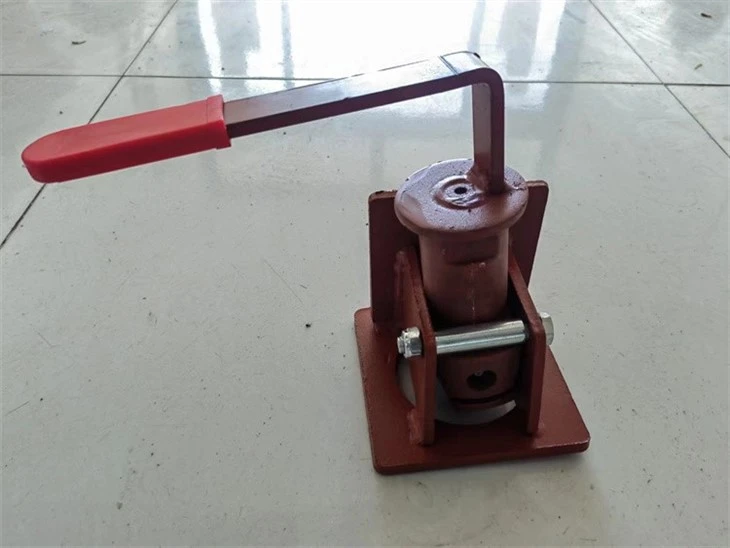

However, many suppliers of built-in aluminum legs do offer a variety of standard sizes and configurations to choose from, which can often meet the needs of most applications. Additionally, some suppliers may be willing to work with customers to develop custom solutions for specific applications. When selecting a supplier, it's important to choose one that has the expertise and capabilities to provide the level of customization you require.
Conclusion
While built-in aluminum legs offer numerous advantages, they also come with potential drawbacks that should be carefully considered before making a purchasing decision. These drawbacks include cost, lower load capacity, susceptibility to damage, compatibility issues, and limited availability of customization options. However, with proper selection, installation, and maintenance, these drawbacks can be minimized, and built-in aluminum legs can provide a reliable and cost-effective solution for a wide range of applications.
If you're considering using built-in aluminum legs for your application, I encourage you to contact us to discuss your specific needs and requirements. Our team of experts can help you select the right product for your application and provide you with the information and support you need to make an informed decision. You can find more information about our built-in support legs by visiting our website Built in Support Legs. We also offer a range of other trailer accessories, including Single Point Suspension and Twist Lock Container for Trailers.
References
- "Aluminum Alloys: Properties and Applications." ASM International, 2019.
- "Design Guide for Aluminum Structures." Aluminum Association, 2015.
- "Load Capacity of Aluminum Structures." National Association of Home Builders, 2018.


