

Axles are crucial components in various vehicles and machinery, playing a vital role in supporting the weight of the vehicle and transmitting power from the engine to the wheels. As an axle supplier, I understand the significance of axle durability and the importance of preventing axle damage. In this blog post, I will share some practical tips on how to prevent axle damage, ensuring the longevity and reliability of your axles.
Understanding Axle Damage
Before delving into prevention methods, it's essential to understand the common causes of axle damage. Axles can be subjected to various types of stress and wear, including:
- Overloading: Exceeding the axle's rated load capacity can cause excessive stress on the axle, leading to bending, cracking, or even breakage.
- Improper Installation: Incorrect installation of the axle, such as misalignment or improper torque settings, can result in uneven stress distribution and premature wear.
- Lack of Maintenance: Neglecting regular maintenance, such as lubrication and inspection, can allow dirt, debris, and moisture to accumulate, causing corrosion and damage to the axle.
- Harsh Operating Conditions: Operating the vehicle or machinery in harsh environments, such as rough terrain, extreme temperatures, or corrosive substances, can accelerate axle wear and damage.
- Accidents and Collisions: Impact from accidents or collisions can cause severe damage to the axle, including bending, fractures, or complete failure.
Preventive Measures
To prevent axle damage, it's important to take a proactive approach and implement the following preventive measures:
1. Choose the Right Axle
Selecting the appropriate axle for your specific application is crucial. Consider the following factors when choosing an axle:
- Load Capacity: Ensure that the axle's load capacity is sufficient to handle the weight of your vehicle or machinery, including any additional loads.
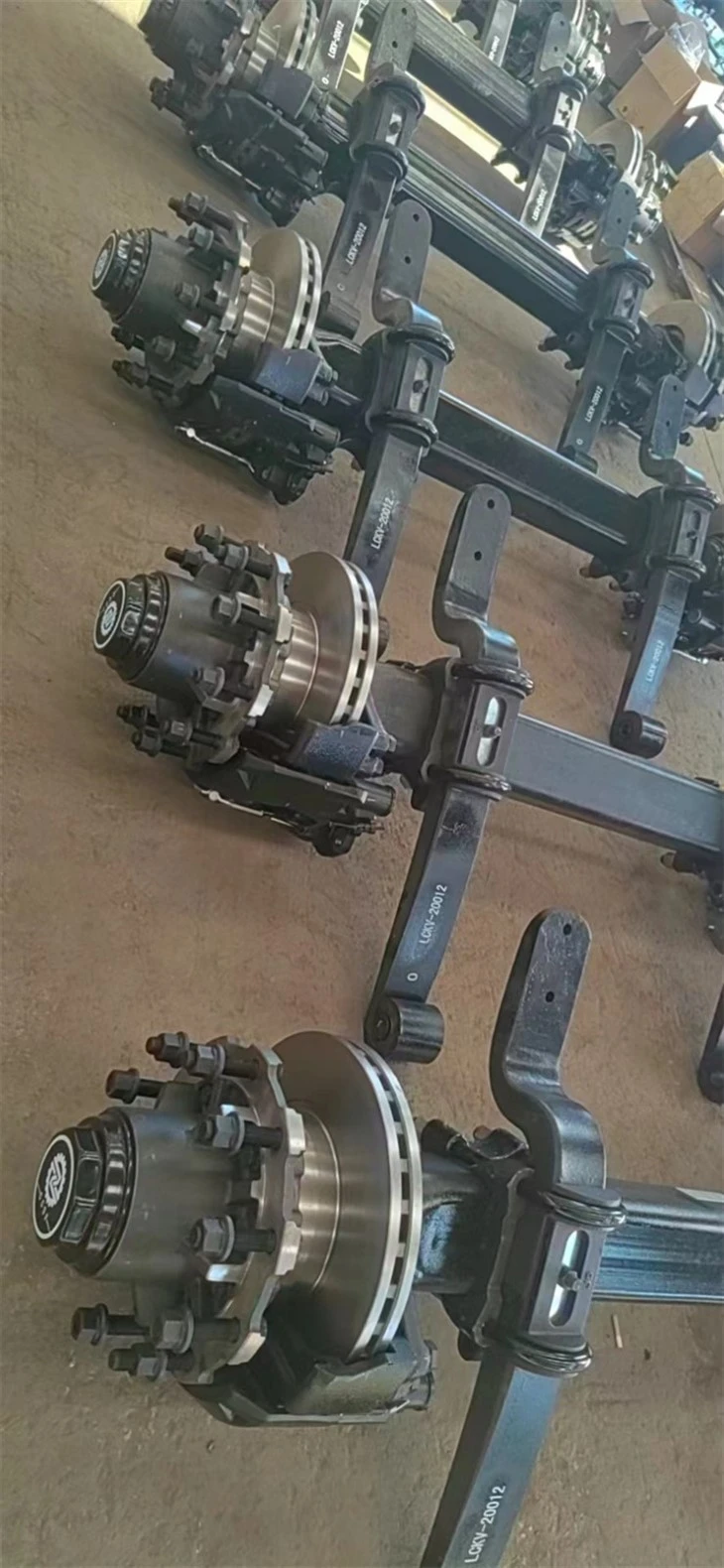
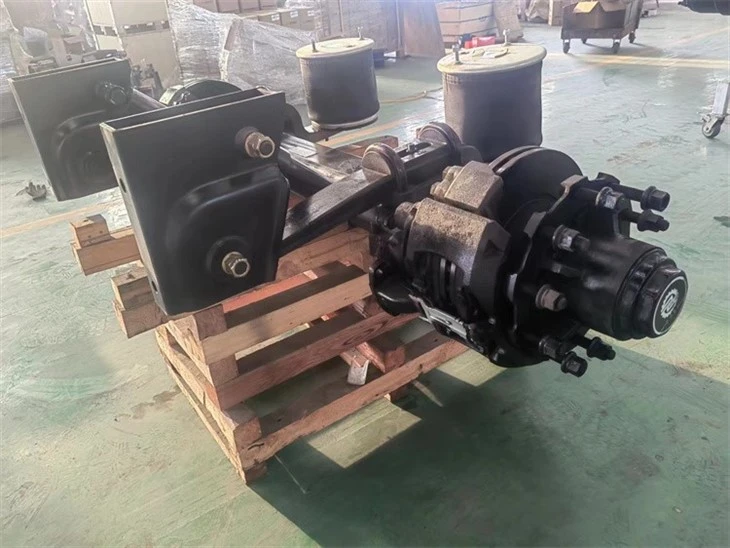
- Type of Axle: Different types of axles are designed for specific applications. For example, Disc-Brake Axle and Disc Brake Axl are commonly used in vehicles that require high braking performance, while High Quality Concave Axle may be suitable for applications that require increased ground clearance.
- Compatibility: Make sure the axle is compatible with your vehicle's or machinery's suspension system, wheels, and other components.
2. Follow Proper Installation Procedures
Proper installation is essential to ensure the axle's performance and longevity. Follow these installation guidelines:
- Read the Manual: Carefully read the manufacturer's installation manual and follow the instructions step by step.
- Use the Right Tools: Use the appropriate tools and equipment for installation, and ensure they are in good condition.
- Check for Alignment: Before installing the axle, check for proper alignment to ensure even stress distribution.
- Torque to Specifications: Use a torque wrench to tighten the axle nuts and bolts to the manufacturer's recommended specifications.
3. Maintain Regular Maintenance Schedule
Regular maintenance is key to preventing axle damage. Follow these maintenance tips:
- Lubrication: Keep the axle properly lubricated to reduce friction and wear. Follow the manufacturer's recommendations for lubrication intervals and use the recommended lubricant.
- Inspection: Regularly inspect the axle for signs of wear, damage, or corrosion. Check the axle shafts, bearings, seals, and other components for any abnormalities.
- Cleaning: Keep the axle clean and free of dirt, debris, and moisture. Use a mild detergent and water to clean the axle, and dry it thoroughly to prevent corrosion.
- Tire Rotation: Rotate the tires regularly to ensure even wear and prevent excessive stress on the axle.
4. Operate within the Axle's Limits
Operating the vehicle or machinery within the axle's rated load capacity and recommended speed limits is crucial to prevent axle damage. Avoid the following:
- Overloading: Do not exceed the axle's rated load capacity. Overloading can cause excessive stress on the axle, leading to premature wear and damage.
- Rough Driving: Avoid driving on rough terrain or over potholes at high speeds, as this can cause excessive stress on the axle.
- Abrupt Braking and Acceleration: Abrupt braking and acceleration can cause sudden changes in torque, which can put additional stress on the axle.
5. Protect the Axle from Harsh Environments
If you operate your vehicle or machinery in harsh environments, take the following precautions to protect the axle:
- Corrosion Protection: Apply a corrosion-resistant coating to the axle to protect it from rust and corrosion.
- Sealing: Ensure that the axle seals are in good condition and properly installed to prevent dirt, debris, and moisture from entering the axle.
- Shielding: Use axle shields or guards to protect the axle from rocks, debris, and other objects that could cause damage.
6. Respond to Accidents and Collisions Promptly
In the event of an accident or collision, it's important to respond promptly to prevent further damage to the axle. Follow these steps:
- Inspect the Axle: After an accident or collision, inspect the axle for any signs of damage. Look for bending, fractures, or other abnormalities.
- Replace Damaged Parts: If the axle is damaged, replace the damaged parts immediately. Do not attempt to repair a damaged axle unless you have the necessary skills and equipment.
- Have the Axle Rechecked: After replacing the damaged parts, have the axle rechecked by a professional to ensure it is in good working condition.
Conclusion
Preventing axle damage is essential to ensure the longevity and reliability of your axles. By choosing the right axle, following proper installation procedures, maintaining a regular maintenance schedule, operating within the axle's limits, protecting the axle from harsh environments, and responding to accidents and collisions promptly, you can significantly reduce the risk of axle damage.
As an axle supplier, I am committed to providing high-quality axles and excellent customer service. If you have any questions or need assistance with axle selection, installation, or maintenance, please feel free to contact me. I look forward to working with you to meet your axle needs.
References
- Automotive Axle Handbook, Second Edition, edited by R. Singh and A. Gupta
- Vehicle Dynamics: Theory and Application, Second Edition, by R. Rajamani
- Handbook of Automotive Power Transmission Systems, edited by H. Fujimoto and K. Ishikawa


