

As a semi-trailer supplier, I've witnessed firsthand the growing demand for more sustainable transportation solutions. The carbon footprint of semi-trailers is a significant concern in the logistics and transportation industry, given the large amount of fuel they consume and the emissions they produce. In this blog, I'll share some practical strategies on how to reduce the carbon footprint of a semi-trailer, which not only benefits the environment but also can lead to cost savings for operators.
1. Optimize Trailer Design
The design of a semi-trailer plays a crucial role in its fuel efficiency and carbon emissions. One of the key aspects is aerodynamics. A well-designed, aerodynamic trailer can significantly reduce drag, which in turn reduces the amount of energy needed to move the trailer forward. For example, trailers with rounded edges, fairings, and side skirts can streamline the airflow around the trailer, minimizing turbulence and improving fuel efficiency.
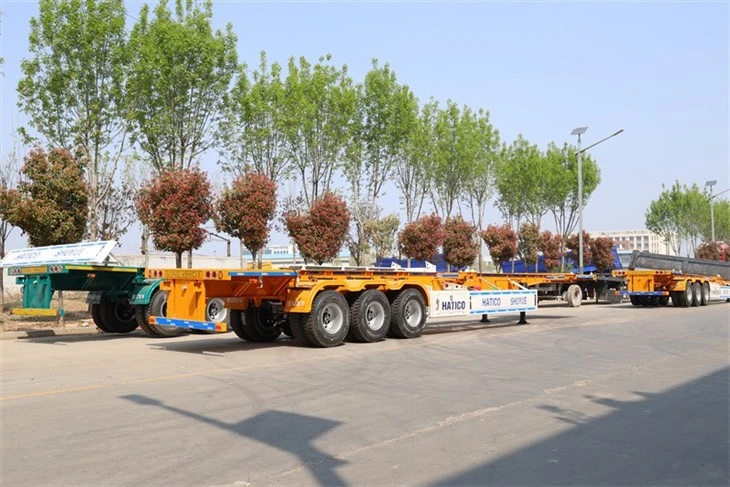
Another important design consideration is the weight of the trailer. Lighter trailers require less energy to accelerate and maintain speed, resulting in lower fuel consumption. Using lightweight materials such as aluminum or high-strength steel can reduce the overall weight of the trailer without sacrificing its structural integrity. For instance, Skeleton Transport Semi-trailer is designed with a focus on lightweight construction, which helps to reduce the carbon footprint while maintaining high performance.
2. Choose the Right Tires
Tires are often overlooked when it comes to reducing the carbon footprint of a semi-trailer, but they can have a significant impact on fuel efficiency. Low-rolling-resistance tires are designed to minimize the energy lost as the tire rolls along the road surface. This means that less fuel is needed to move the trailer, resulting in lower emissions.
In addition to choosing low-rolling-resistance tires, proper tire maintenance is also essential. Under-inflated tires can increase rolling resistance, which in turn increases fuel consumption. Regularly checking tire pressure and ensuring that tires are properly inflated can help to maintain optimal fuel efficiency.
3. Implement Efficient Loading and Unloading Practices
Efficient loading and unloading practices can also contribute to reducing the carbon footprint of a semi-trailer. One of the key strategies is to maximize the use of the trailer's capacity. By loading the trailer to its maximum capacity, fewer trips are needed to transport the same amount of goods, which reduces fuel consumption and emissions.
Another important aspect is to ensure that the load is evenly distributed within the trailer. An unevenly distributed load can cause the trailer to sway or become unstable, which can increase fuel consumption and wear on the tires. Using load-securing devices such as straps, chains, and pallets can help to ensure that the load is evenly distributed and secure.
4. Adopt Alternative Fuels and Powertrain Technologies
The transportation industry is increasingly turning to alternative fuels and powertrain technologies to reduce its carbon footprint. For semi-trailers, some of the most promising options include natural gas, electric, and hybrid powertrains.
Natural gas is a cleaner-burning fuel than diesel, producing fewer emissions of greenhouse gases and pollutants. Compressed natural gas (CNG) and liquefied natural gas (LNG) are two common types of natural gas used in semi-trailers. These fuels can be used in existing diesel engines with some modifications, making them a relatively easy and cost-effective way to reduce emissions.
Electric and hybrid powertrains are also becoming more popular in the semi-trailer industry. Electric semi-trailers produce zero emissions at the tailpipe, making them an ideal solution for reducing the carbon footprint. Hybrid powertrains combine an electric motor with a traditional diesel engine, allowing the trailer to operate on electric power for short distances and switch to diesel power for longer trips.
5. Optimize Route Planning and Logistics
Route planning and logistics play a crucial role in reducing the carbon footprint of a semi-trailer. By choosing the most efficient routes, operators can minimize the distance traveled and avoid traffic congestion, which can significantly reduce fuel consumption and emissions.
Using advanced route planning software and GPS technology can help operators to identify the most efficient routes based on factors such as traffic conditions, road gradients, and speed limits. Additionally, real-time traffic information can be used to adjust routes on the fly, ensuring that the trailer always takes the most efficient path.
In addition to optimizing routes, efficient logistics management can also help to reduce the carbon footprint. This includes strategies such as consolidating shipments, reducing empty miles, and coordinating pickups and deliveries to minimize the time the trailer spends on the road.

6. Train Drivers on Fuel-Efficient Driving Techniques
Drivers play a crucial role in reducing the carbon footprint of a semi-trailer. By adopting fuel-efficient driving techniques, they can significantly reduce fuel consumption and emissions. Some of the key techniques include:
- Smooth Acceleration and Deceleration: Rapid acceleration and hard braking can waste fuel and increase emissions. Drivers should aim to accelerate and decelerate smoothly, using the gears effectively to maintain a steady speed.
- Maintain a Steady Speed: Driving at a constant speed can help to reduce fuel consumption. Drivers should avoid unnecessary speeding and use cruise control whenever possible to maintain a steady speed.
- Anticipate Traffic Conditions: By anticipating traffic conditions and adjusting their driving accordingly, drivers can avoid unnecessary stops and starts, which can waste fuel.
- Reduce Idling Time: Idling the engine for extended periods of time can waste fuel and increase emissions. Drivers should turn off the engine when they are parked or waiting for extended periods of time.
Conclusion
Reducing the carbon footprint of a semi-trailer is a complex but achievable goal. By implementing the strategies outlined in this blog, operators can significantly reduce fuel consumption and emissions, while also improving the efficiency and profitability of their operations. As a semi-trailer supplier, I'm committed to providing our customers with innovative and sustainable solutions that help them to reduce their environmental impact.
If you're interested in learning more about our semi-trailers and how they can help you to reduce your carbon footprint, please feel free to contact us for a detailed consultation. We look forward to working with you to create a more sustainable future for the transportation industry.
References
- SAE International. (2023). Aerodynamics of Heavy Vehicles: Trucks, Buses, and Trains.
- U.S. Department of Energy. (2023). Alternative Fuels Data Center.
- European Tyre and Rim Technical Organisation (ETRTO). (2023). Tyre Manual.


