

Are built - in iron legs durable?
As a supplier of built - in iron legs, I've had numerous discussions with clients regarding the durability of these products. Durability is a key concern for customers, especially when it comes to products that are expected to bear significant weight and endure various environmental conditions over an extended period. In this blog, I'll delve into the factors that affect the durability of built - in iron legs and explain why they can be a reliable choice for many applications.
Material Quality
The foundation of durability lies in the quality of the materials used. High - grade iron is essential for built - in iron legs. Iron with the right composition offers excellent strength and resistance to deformation. When the iron is properly alloyed, it can enhance properties such as hardness and toughness. For example, some types of iron alloyed with elements like manganese or chromium can have improved corrosion resistance, which is crucial if the legs will be exposed to moisture or harsh chemicals.
At our company, we source only the finest iron from trusted suppliers. We conduct strict quality control checks to ensure that the iron meets our high standards. This initial focus on material quality is the first step in ensuring that our built - in iron legs are durable.
Manufacturing Process
The way the built - in iron legs are manufactured also plays a vital role in their durability. Precision manufacturing techniques are employed to ensure that the legs are structurally sound. For instance, proper forging or casting processes can create a uniform internal structure in the iron, reducing the likelihood of weak spots.
During the manufacturing process, heat treatment is often used to enhance the mechanical properties of the iron. By carefully controlling the heating and cooling rates, we can achieve the desired hardness and toughness. Additionally, surface treatments such as galvanizing or powder coating can be applied to protect the iron from corrosion. These coatings act as a barrier between the iron and the surrounding environment, preventing rust and other forms of degradation.
Load - Bearing Capacity
One of the main functions of built - in iron legs is to support a certain amount of weight. Understanding the load - bearing capacity is crucial for ensuring durability. Our built - in iron legs are designed to handle specific loads based on engineering calculations. By accurately determining the load requirements of different applications, we can produce legs that are neither over - engineered (which would increase cost) nor under - engineered (which would compromise durability).

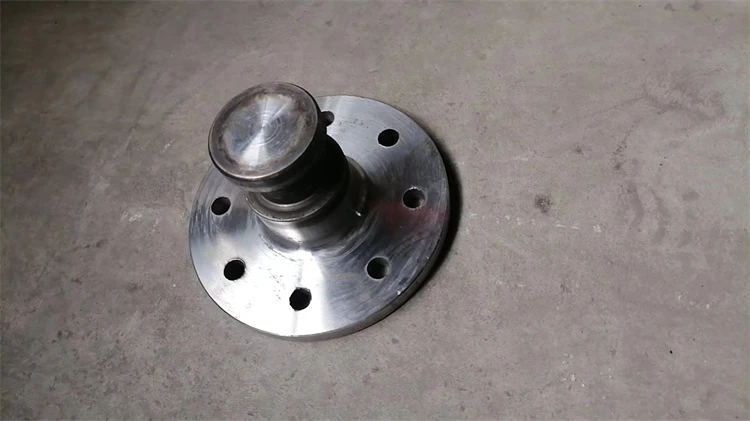
For example, in industrial settings where heavy machinery needs to be supported, our built - in iron legs are designed with a high load - bearing capacity. On the other hand, for lighter applications such as furniture, we can offer legs with a more appropriate load - bearing capacity. By matching the load - bearing capacity to the actual application, we ensure that the legs can perform their function without excessive stress, which in turn contributes to their long - term durability.
Environmental Factors
The environment in which the built - in iron legs are used can have a significant impact on their durability. In outdoor settings, the legs are exposed to elements such as rain, sunlight, and temperature fluctuations. These factors can cause corrosion and expansion or contraction of the iron.
However, our built - in iron legs are designed to withstand a wide range of environmental conditions. As mentioned earlier, the surface treatments we apply provide protection against corrosion. In addition, the iron's inherent properties allow it to tolerate some degree of temperature change without significant damage. For indoor applications, factors such as humidity and chemical exposure also need to be considered. Our products are engineered to resist these indoor environmental challenges as well.
Comparison with Other Materials
When considering the durability of built - in iron legs, it's useful to compare them with other materials. For example, compared to plastic legs, iron legs are generally much stronger and more durable. Plastic can be prone to cracking, warping, and degradation over time, especially when exposed to high temperatures or heavy loads.
In contrast, iron legs offer a more robust and long - lasting solution. They can maintain their shape and strength even under challenging conditions. Another common alternative is wooden legs. While wood has its own aesthetic appeal, it is susceptible to rot, insect damage, and moisture - related issues. Iron legs do not have these problems, making them a more reliable choice for many applications.
Real - World Applications
To illustrate the durability of our built - in iron legs, let's look at some real - world applications. In the transportation industry, they can be used in trailers. For example, Air Brake Tanks often require stable support, and our built - in iron legs can provide the necessary durability. The legs need to withstand the vibrations and shocks associated with trailer movement, as well as the weight of the tank itself.
In the semi - trailer industry, Semi - trailer Plate Spring systems and Semi Trailer 50 Prefabricated Kingpin setups may also rely on built - in iron legs for support. These applications demand high - quality, durable legs that can perform reliably over long distances and extended periods.
Maintenance and Long - Term Durability
While built - in iron legs are designed to be durable, proper maintenance can further extend their lifespan. Regular inspections can help detect any signs of wear or damage early on. If a leg shows signs of corrosion, the affected area can be treated promptly to prevent further spread.
Simple cleaning procedures can also help maintain the appearance and functionality of the legs. For example, removing dirt and debris from the surface can prevent the accumulation of substances that could potentially cause corrosion. By following these maintenance guidelines, customers can ensure that their built - in iron legs remain durable for many years.
Conclusion
In conclusion, built - in iron legs can be highly durable when they are made from high - quality materials, manufactured using precise techniques, and designed to handle the appropriate loads. Their ability to withstand various environmental factors and their superior performance compared to other materials make them a reliable choice for many applications.
If you are in the market for built - in iron legs, I encourage you to reach out to us to discuss your specific requirements. We have a wide range of products to meet different needs, and our team of experts can provide you with detailed information and guidance. Whether you are involved in the transportation industry, furniture manufacturing, or any other field that requires durable support, our built - in iron legs could be the solution you are looking for.
References
- "Materials Science and Engineering: An Introduction" by William D. Callister Jr. and David G. Rethwisch
- "Manufacturing Engineering and Technology" by S. Kalpakjian and S. R. Schmid