

Towing a semi-trailer isn't just about hitching it up and hitting the road. As a semi-trailer supplier, I've seen firsthand how crucial it is to understand the proper techniques and safety measures. In this blog, I'll share some tips on how to tow a semi-trailer like a pro.
Pre - Towing Checks
Before you even think about hooking up the semi - trailer, there are a bunch of checks you need to do. First off, take a good look at the trailer itself. Check the tires for proper inflation and any signs of wear or damage. You don't want a blowout on the highway, trust me. A flat tire can not only delay your journey but also pose a serious safety risk.
Inspect the brakes. Make sure they're in good working condition. You can do a simple test by applying the brakes and seeing if they engage smoothly. If there's any grinding or strange noises, it's time to get them checked out.
The lights are also super important. Ensure all the brake lights, turn signals, and running lights are functioning. This is not only for your safety but also to comply with traffic regulations. Nobody wants to get pulled over for a simple lighting issue.
Now, let's talk about the towing vehicle. Check its oil level, coolant level, and transmission fluid. These fluids keep your engine and other vital components running smoothly. Low levels can lead to overheating and mechanical failures.
The hitch is the connection point between the towing vehicle and the semi - trailer, so it needs to be in top shape. Inspect it for any cracks or signs of wear. Make sure it's rated to handle the weight of the trailer you're towing. A weak or improperly rated hitch can come loose while you're driving, which is a disaster waiting to happen.
Hitching the Semi - Trailer
Once you've completed all the pre - towing checks, it's time to hitch up the trailer. First, line up the towing vehicle and the trailer. This can be a bit tricky, especially if you're doing it alone. Use your mirrors and take your time.
Lower the trailer's landing gear so that the trailer coupler is at the right height to connect with the hitch on the towing vehicle. If the height is off, it won't connect properly.
When you're backing up to the trailer, go slowly. It's better to be cautious and take a few extra minutes than to rush and cause damage. Once the hitch ball on the towing vehicle is under the trailer coupler, raise the coupler and lock it onto the ball. Make sure it's securely fastened by giving it a good tug.
After that, connect the safety chains. Cross them under the tongue of the trailer to prevent it from hitting the ground if it becomes detached from the hitch. Attach the electrical connector for the lights and brakes. Double - check that all the lights on the trailer are working after you've connected the electrical system.

Weight Distribution
Proper weight distribution is key when towing a semi - trailer. You don't want too much weight at the front or the back. An unbalanced load can cause handling problems, such as swaying or difficulty steering.
When loading the trailer, start by placing the heaviest items first. Try to distribute the weight evenly from side to side and front to back. If you're carrying multiple items, stack them in a way that keeps the center of gravity low. A lower center of gravity makes the trailer more stable on the road.
Use tie - downs to secure the load. This prevents the items from shifting during transit, which can also affect the weight distribution and handling of the trailer.
On - the - Road Tips
Once you're on the road, there are some things you need to keep in mind. First of all, increase your following distance. A semi - trailer takes longer to stop than a regular vehicle, so you need more space between you and the vehicle in front of you.
Take turns slowly. The trailer has a wider turning radius than the towing vehicle, so you need to plan your turns in advance. Signal early and give yourself plenty of room to maneuver.
Be aware of your speed. Don't go too fast, especially on curves or when the road conditions are poor. High speeds can increase the risk of swaying and make it harder to control the trailer.
Keep an eye on your mirrors constantly. Check for any signs of swaying or if the load has shifted. If you notice any problems, pull over safely as soon as possible.
Unhitching the Semi - Trailer
When you reach your destination, it's time to unhitch the trailer. First, set the parking brake on the towing vehicle. Lower the trailer's landing gear to support the weight of the trailer.
Unlock the coupler and carefully back the towing vehicle away from the trailer. Make sure you don't hit the trailer with the towing vehicle.
Disconnect the safety chains and the electrical connector. Store the chains and the connector in a safe place.
The Skeleton Transport Semi - Trailer
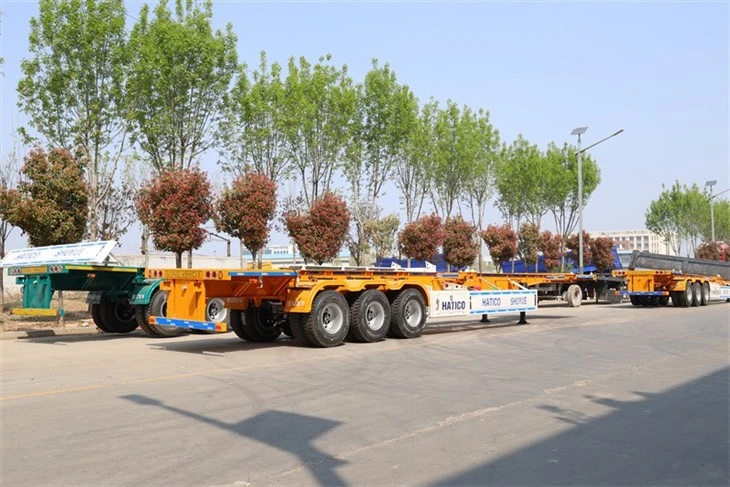
If you're in the market for a high - quality semi - trailer, I'd like to recommend our Skeleton Transport Semi - Trailer. It's designed with durability and functionality in mind. Whether you're transporting heavy equipment or other large items, this trailer can handle it. Its skeleton design provides excellent strength while keeping the weight down, which can save you on fuel costs.
If you're interested in learning more about our semi - trailers or have any questions about towing, don't hesitate to reach out. We're here to help you make the right choice for your transportation needs. Whether you're a professional hauler or just need a trailer for occasional use, we can provide you with the best solutions. Contact us today to start the conversation about your semi - trailer requirements.
References
- "Towing Safety Guide" - National Highway Traffic Safety Administration
- "Trailer Towing Basics" - American Automobile Association


