

Is Lifting Air Suspension Easy to Operate?
As a seasoned supplier of lifting air suspension systems, I've encountered numerous inquiries regarding the ease of operation of these advanced components. In this blog post, I'll delve into the intricacies of lifting air suspension and explore whether it's truly user - friendly.
Understanding Lifting Air Suspension
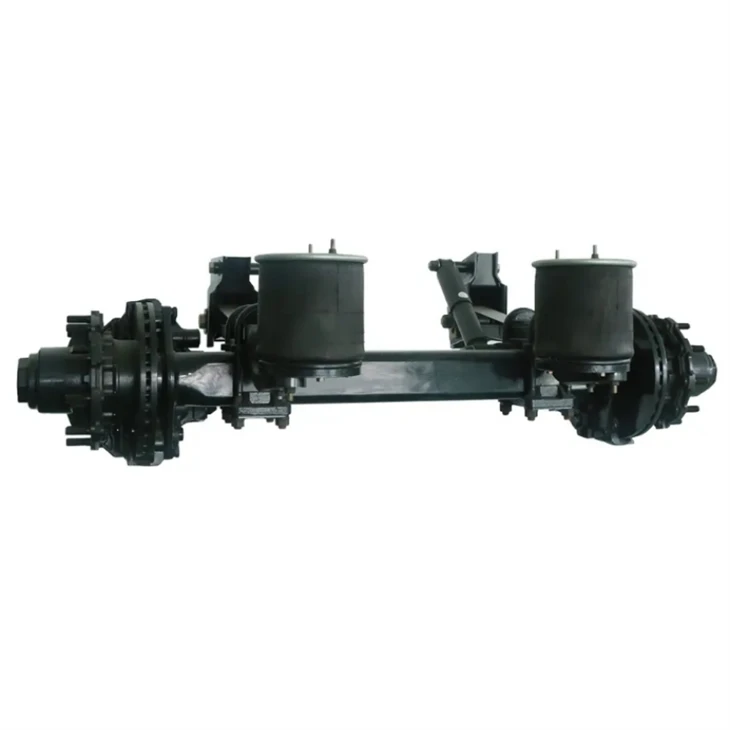
Before we discuss the operation, it's essential to understand what lifting air suspension is. Lifting air suspension is a type of vehicle suspension system that uses compressed air to support the vehicle's weight and adjust its ride height. It offers several advantages over traditional suspension systems, such as improved ride quality, better load - carrying capacity, and the ability to adjust the height of the vehicle for different driving conditions.
Our company provides a wide range of lifting air suspension products, including Heavy Machinery Suspension, Air Suspension, and Air Suspension With Guide Arm. These products are designed to meet the diverse needs of various industries, from transportation to heavy machinery.
Components of Lifting Air Suspension
To understand the operation, we first need to know the main components of a lifting air suspension system. The key parts include air springs, air compressors, valves, and a control system. Air springs are the heart of the system. They are filled with compressed air and act as shock absorbers and load - bearing elements. The air compressor is responsible for generating and maintaining the required air pressure in the air springs. Valves control the flow of air in and out of the air springs, allowing for height adjustment. The control system can be either manual or automatic, depending on the design of the suspension.
Manual Operation of Lifting Air Suspension
Manual lifting air suspension systems are relatively straightforward. They usually come with a control panel or a set of switches that the operator can use to adjust the air pressure in the air springs. For example, if you want to raise the vehicle, you simply press a button or turn a switch to allow more air into the air springs. Conversely, to lower the vehicle, you release the air from the springs.
One of the advantages of manual operation is its simplicity. There is no complex programming or electronics involved, which means that even operators with limited technical knowledge can easily learn how to use it. However, manual operation also has its drawbacks. It requires the operator to be constantly aware of the vehicle's height and make adjustments accordingly. This can be time - consuming, especially when the vehicle is frequently changing its load or driving on uneven terrain.
Automatic Operation of Lifting Air Suspension
Automatic lifting air suspension systems, on the other hand, use sensors and a computer - controlled system to adjust the air pressure in the air springs automatically. These sensors can detect changes in the vehicle's load, speed, and road conditions. Based on the data collected by the sensors, the control system will adjust the air pressure in the air springs to maintain the optimal ride height.
Automatic operation offers several benefits. It provides a more consistent ride quality as the system can quickly respond to changes in the driving conditions. It also reduces the workload on the operator, as they don't have to manually adjust the suspension every time the vehicle's situation changes. However, automatic systems are more complex and expensive. They require regular maintenance and calibration to ensure that the sensors and control system are working properly.
Factors Affecting the Ease of Operation
Several factors can affect the ease of operating a lifting air suspension system. One of the most important factors is the design of the control system. A well - designed control system, whether manual or automatic, will have clear and intuitive controls that are easy to understand and use.
The quality of the components also plays a crucial role. High - quality air compressors, valves, and sensors are more reliable and less likely to malfunction. This means that the suspension system will operate smoothly and require less maintenance.
Another factor is the training provided to the operators. Even the most advanced and user - friendly suspension system can be difficult to operate if the operators are not properly trained. As a supplier, we offer comprehensive training programs to our customers to ensure that their operators can use our lifting air suspension systems effectively.
Safety Considerations
When operating a lifting air suspension system, safety should always be the top priority. Both manual and automatic systems require the operator to follow certain safety procedures. For example, before making any height adjustments, the operator should ensure that the vehicle is parked on a level surface and that the parking brake is engaged.

In addition, regular maintenance of the suspension system is essential to ensure its safe operation. This includes checking the air pressure in the air springs, inspecting the valves and hoses for leaks, and testing the sensors and control system.
Conclusion
In conclusion, whether lifting air suspension is easy to operate depends on several factors, including the type of operation (manual or automatic), the design of the control system, the quality of the components, and the training of the operators. Manual systems are simple but require more operator intervention, while automatic systems are more convenient but more complex.
At our company, we are committed to providing high - quality lifting air suspension systems that are both easy to operate and reliable. Our products are designed with the end - user in mind, whether they are used in heavy machinery or transportation vehicles.
If you are interested in our lifting air suspension products or have any questions about their operation, please feel free to contact us for a detailed discussion. We are more than happy to assist you in finding the most suitable suspension system for your needs and provide you with the necessary support and training.
References
- "Vehicle Suspension Systems" by John Crolla
- "Air Suspension Technology" by the Society of Automotive Engineers


