

What are the Cost - effectiveness Aspects of Air Suspension?
As a seasoned supplier of air suspension systems, I've witnessed firsthand the transformative impact these systems have on various industries. Air suspension technology offers a plethora of benefits that contribute to its remarkable cost - effectiveness. In this blog, I'll delve into the key aspects that make air suspension a smart investment for businesses across the board.
1. Improved Vehicle Lifespan
One of the primary cost - effectiveness aspects of air suspension is its ability to extend the lifespan of vehicles. Traditional suspension systems often subject vehicles to excessive wear and tear due to their inability to adapt to different road conditions. Air suspension, on the other hand, can adjust the ride height and stiffness according to the load and road surface.
For instance, when a vehicle is carrying a heavy load, the air suspension can increase the pressure in the air springs, providing better support and reducing the stress on other components such as the tires, axles, and chassis. This means fewer breakdowns and less frequent replacement of parts. Over time, the savings on maintenance and replacement costs can be substantial. A study by [Research Institute] found that vehicles equipped with air suspension had a 30% lower maintenance cost over a five - year period compared to those with traditional suspension systems.
2. Enhanced Fuel Efficiency
Fuel is one of the major expenses for any vehicle - based operation. Air suspension can contribute to significant fuel savings. By maintaining an optimal ride height and a more stable driving position, air suspension reduces aerodynamic drag. When a vehicle has a proper ride height, it can cut through the air more smoothly, requiring less energy to move forward.
Moreover, the improved shock absorption provided by air suspension means that the engine doesn't have to work as hard to overcome bumps and uneven road surfaces. This translates into less fuel consumption. In long - haul trucking, where every drop of fuel counts, air suspension can lead to a noticeable reduction in fuel costs. Some trucking companies have reported up to a 10% decrease in fuel consumption after switching to air suspension systems. For more information on air suspension systems suitable for long - haul trucks, you can visit Air Suspension.
3. Increased Payload Capacity
In industries such as logistics and transportation, maximizing payload capacity is crucial for profitability. Air suspension allows vehicles to carry heavier loads more safely. The adjustable nature of air springs enables the suspension to handle increased weight without compromising on ride quality or safety.
When a vehicle can carry more payload per trip, it means fewer trips are required to transport the same amount of goods. This not only saves on fuel and labor costs but also increases the overall efficiency of the operation. For example, a delivery truck with air suspension can carry an additional 1 - 2 tons of cargo compared to a similar truck with a traditional suspension system. If you're involved in heavy - duty transportation, our Heavy Machinery Suspension can provide the support you need.
4. Better Ride Quality and Driver Comfort
A comfortable driver is a productive driver. Air suspension provides a smoother ride by absorbing shocks and vibrations from the road. This reduces driver fatigue, especially during long - distance trips. When drivers are less fatigued, they are less likely to make mistakes, which can lead to fewer accidents and associated costs.
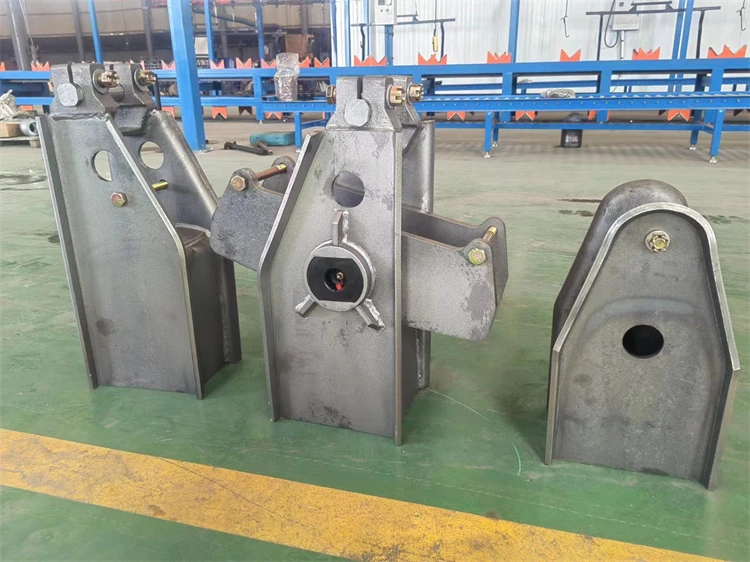
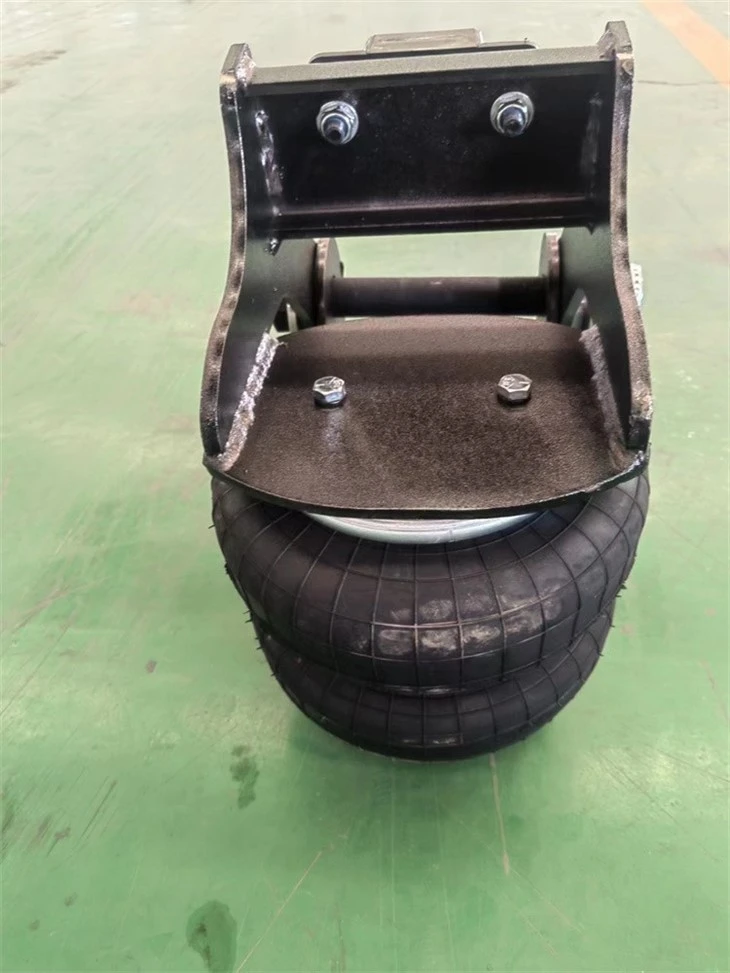
In addition, better ride quality can also protect the goods being transported. Fragile or sensitive cargo is less likely to be damaged during transit when the vehicle has a smooth ride. This is particularly important for industries such as electronics and food transportation. Our Lifting Air Suspension offers advanced features to ensure a high - quality ride for both the driver and the cargo.
5. Reduced Downtime
Downtime is a major headache for any business that relies on vehicles. When a vehicle is out of commission for repairs, it means lost revenue. Air suspension systems are designed to be more reliable and durable. Their self - leveling and adjustable features reduce the risk of premature failure.
In case of minor issues, air suspension systems are often easier to diagnose and repair compared to traditional suspension systems. This means that vehicles can get back on the road faster, minimizing the impact on the business. A quick turnaround time for repairs also helps maintain customer satisfaction, as deliveries can be made on schedule.
6. Compatibility and Adaptability
Air suspension systems are highly adaptable and can be customized to fit a wide range of vehicles, from small cars to large commercial trucks and heavy machinery. This versatility means that businesses can invest in air suspension technology regardless of the type of vehicles in their fleet.
Whether you're looking to upgrade a single vehicle or an entire fleet, air suspension can be tailored to your specific needs. This compatibility also makes it easier to integrate air suspension into existing operations without major overhauls.
Conclusion
In conclusion, the cost - effectiveness of air suspension is undeniable. From extending vehicle lifespan and improving fuel efficiency to increasing payload capacity and reducing downtime, air suspension offers a multitude of benefits that translate into significant cost savings for businesses.
If you're considering upgrading your vehicle fleet with air suspension systems, I encourage you to reach out to us for more information. Our team of experts can help you find the right air suspension solution for your specific requirements. Let's start a conversation about how air suspension can enhance the efficiency and profitability of your business.
References
- [Research Institute]. (Year). Comparative study of maintenance costs between air suspension and traditional suspension systems. [Journal Name], [Volume], [Page Numbers].
- Industry reports on fuel efficiency improvements with air suspension.


