

Hey there! As a bogie suspension supplier, I've had my fair share of experiences dealing with different types of vehicles. One question that often pops up is, "What are the differences between bogie suspension in buses and coaches?" Well, let's dive right in and explore this topic.
First off, let's understand what bogie suspension is. A bogie is basically a wheeled frame under a vehicle, and the suspension system on it helps to provide a smooth ride by absorbing shocks and vibrations. It's a crucial part of any vehicle, whether it's a bus or a coach.
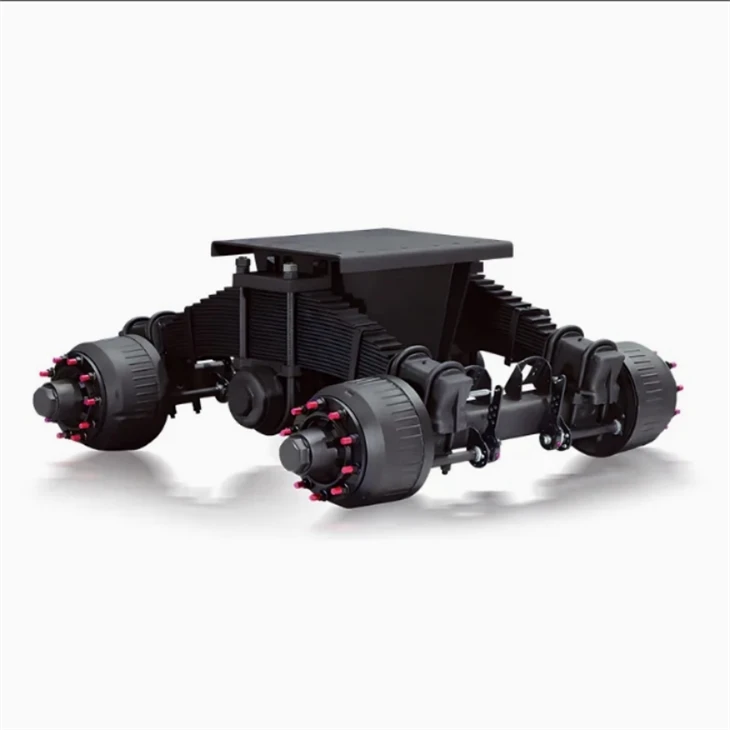
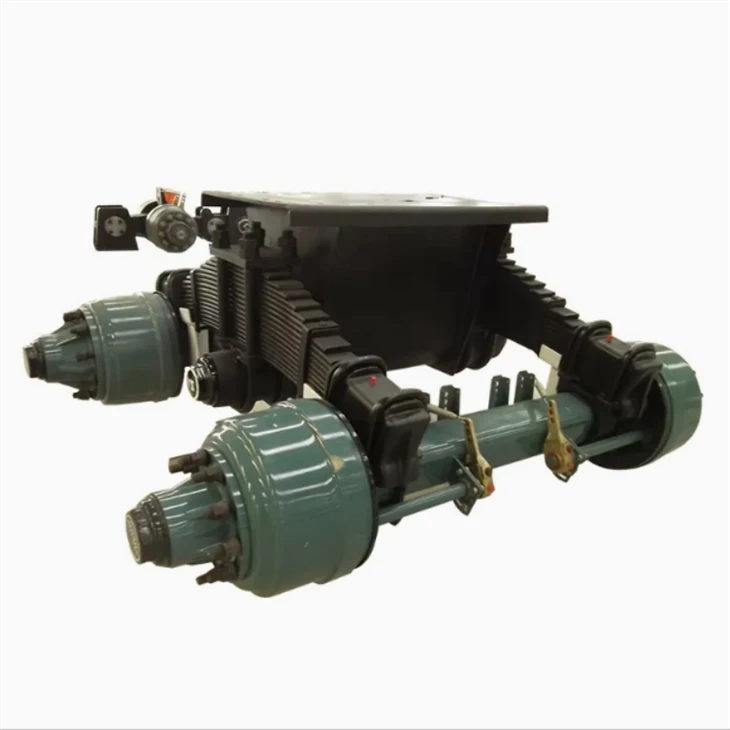
Design and Structure
When it comes to the design and structure, buses and coaches have some notable differences. Buses are usually designed for urban or suburban use. They need to be able to stop and start frequently, make sharp turns at intersections, and navigate through narrow streets. So, their bogie suspension is often designed to be more compact and flexible.
For example, some buses use a Single Point of Suspension. This type of suspension allows for better maneuverability as it can adapt to different road conditions quickly. It's like having a nimble dancer on the road, easily dodging obstacles and making tight moves.
On the other hand, coaches are typically used for long - distance travel. They carry passengers over highways and through different terrains for extended periods. Their bogie suspension is built for durability and stability. Coaches often have a more robust and larger - scale bogie design. The suspension components are made to handle the constant stress of long - haul trips. The axles are usually heavier and more rigidly attached to the bogie frame, providing a stable base for the coach to ride on.
Load - Carrying Capacity
Another significant difference lies in the load - carrying capacity. Buses usually carry a relatively large number of passengers within a short distance. They need to be able to handle the weight of a full load of people getting on and off at various stops. The bogie suspension in buses is designed to distribute the weight evenly across the wheels, even when the load is constantly changing.
Let's say a bus is filled with passengers at the morning rush hour. The suspension system has to work hard to keep the bus level and stable, preventing any excessive bouncing or swaying. In contrast, coaches carry a more consistent load over long distances. Although they may have a similar number of passengers, the fact that they don't have frequent stops means the load doesn't change as drastically. The bogie suspension in coaches is optimized to handle a constant, heavy load for hours on end. This often means using stronger springs and shock absorbers to maintain a smooth ride.
Ride Comfort
Ride comfort is a major consideration for both buses and coaches, but the focus is different. In buses, since they operate in urban areas with lots of stops and starts, the suspension needs to minimize the jerks and jolts felt by passengers. A good bus suspension will quickly absorb the shocks from potholes and sudden braking, providing a relatively comfortable ride even in a busy city environment.
For coaches, ride comfort is about creating a serene and relaxing environment for long - distance travel. The suspension system is tuned to reduce vibrations and noise. Coaches often use advanced shock - absorbing materials and technologies in their bogie suspension. For example, some coaches have air suspension systems that can adjust the ride height and stiffness according to the road conditions and the load on the vehicle. This helps to ensure a smooth and comfortable journey for passengers, even on rough roads.
Maintenance Requirements
Maintenance is also an area where the bogie suspension of buses and coaches differ. Buses, due to their frequent use in stop - and - go traffic and in urban areas with potentially rough roads, require more regular maintenance. The suspension components in buses are subject to more wear and tear. The shock absorbers may need to be replaced more often, and the alignment of the wheels and axles may need to be checked frequently.
Coaches, while they also need maintenance, don't face the same level of stress on a daily basis as buses. However, because they are used for long - distance travel, the maintenance needs to be more thorough. The bogie suspension in coaches should be inspected for any signs of fatigue or damage after a certain number of miles. The lubrication of the moving parts is crucial to ensure smooth operation over long periods.
Cost
Cost is an important factor for both bus and coach operators. The cost of the bogie suspension for buses is generally lower compared to coaches. Buses are often mass - produced for urban transit systems, and the suspension components are designed to be cost - effective while still meeting the necessary performance requirements. The use of more common and less expensive materials helps to keep the cost down.
Coaches, on the other hand, require a more high - end suspension system. The cost of the components, such as the heavy - duty axles, advanced shock absorbers, and air suspension systems, is higher. Additionally, the installation and maintenance costs for coach bogie suspension are also relatively high due to the complexity of the system.
Adaptability to Road Conditions
Buses need to adapt to a wide variety of road conditions in urban areas. They may encounter potholes, speed bumps, and uneven surfaces on a regular basis. The bogie suspension in buses is designed to be adaptable to these conditions. It should be able to quickly adjust to different road profiles, providing a smooth ride for passengers.
Coaches, while they also face different road conditions on long - distance trips, mainly deal with highways and well - maintained roads. However, they still need to be able to handle occasional rough patches or bad weather conditions. The suspension system in coaches is more focused on providing a consistent ride over long stretches of road, with the ability to handle some degree of unevenness.
Handling and Maneuverability
As mentioned earlier, buses are more about maneuverability. Their bogie suspension allows for sharp turns and quick changes in direction. The steering response of buses is also affected by the suspension system. A well - designed bus suspension helps the driver to control the bus easily in tight spaces, such as when pulling into a bus stop or making a U - turn.
Coaches, on the other hand, are more about straight - line stability. While they do need to be able to make turns, their handling is more about maintaining a stable course on the highway. The bogie suspension in coaches provides a good balance between steering control and stability at high speeds.
Noise and Vibration Isolation
Noise and vibration isolation is important for both types of vehicles, but again, the approach is different. In buses, the goal is to reduce the noise and vibration that can be caused by the constant starting and stopping, as well as the interaction with the road surface. The suspension system helps to dampen these vibrations and prevent them from reaching the passenger compartment.
In coaches, since they are used for long - distance travel, noise and vibration isolation is even more critical. Passengers expect a quiet and comfortable environment during their journey. The bogie suspension in coaches is designed with special materials and technologies to minimize noise and vibration, creating a more pleasant travel experience.
Conclusion
In conclusion, the bogie suspension in buses and coaches has several differences in design, load - carrying capacity, ride comfort, maintenance requirements, cost, adaptability to road conditions, handling, and noise and vibration isolation. As a bogie suspension supplier, I understand the unique needs of both buses and coaches. Whether you're an operator of a bus fleet or a long - distance coach service, having the right bogie suspension is crucial for the performance and comfort of your vehicles.
If you're in the market for bogie suspension for your buses or coaches, I'd love to have a chat with you. We can discuss your specific requirements and find the best solution for your fleet. Contact us to start the procurement process and let's work together to ensure your vehicles have the best - in - class bogie suspension.
References
- Automotive Engineering Handbook: Suspension Systems
- Journals on Vehicle Design and Technology
- Industry reports on Bus and Coach Manufacturing


