

Hey there! As a supplier of axle brake pads, I've seen firsthand the differences between those used in front - wheel drive (FWD) and rear - wheel drive (RWD) vehicles. In this blog, I'm gonna break down these differences for you, so you can make an informed decision when it comes to purchasing the right brake pads for your needs.
Basic Function of Brake Pads
Before we dive into the differences, let's quickly go over what brake pads do. When you step on the brake pedal, the brake pads are squeezed against the brake rotors. This creates friction, which slows down the rotation of the wheels and brings your vehicle to a stop. Simple, right?
Differences in Weight Distribution
One of the biggest factors that affect the design and performance of brake pads is the weight distribution of the vehicle. In FWD vehicles, most of the engine's weight sits over the front wheels. This means that during braking, a larger amount of the vehicle's weight shifts forward. As a result, the front brakes in FWD vehicles have to do more work compared to the rear brakes.
On the other hand, RWD vehicles typically have a more balanced weight distribution between the front and rear axles. The engine is usually positioned in the front, but the power is sent to the rear wheels. During braking, the weight still shifts forward, but not as dramatically as in FWD vehicles. This means that the rear brakes in RWD vehicles play a more significant role in the braking process than they do in FWD vehicles.
Front Brake Pads in FWD Vehicles
Since the front brakes in FWD vehicles bear the brunt of the braking force, the front axle brake pads need to be designed to handle high levels of stress and heat. They are usually made from materials that can withstand intense friction and dissipate heat quickly. For example, many FWD front brake pads are made from semi - metallic compounds. These compounds contain a mixture of metal fibers, such as steel or copper, which provide excellent heat dissipation and high - friction performance.
Another characteristic of FWD front brake pads is their durability. Because they are used more frequently and under more strenuous conditions, they need to be able to last a long time without wearing out too quickly. As a supplier, I often recommend high - quality semi - metallic or ceramic brake pads for FWD front axles. Ceramic brake pads, for instance, are known for their long lifespan, quiet operation, and low dust production.
Rear Brake Pads in FWD Vehicles
The rear brake pads in FWD vehicles have a less demanding job. They mainly serve to balance the braking force and help with stability. As a result, they don't need to be as robust as the front brake pads. Rear brake pads in FWD vehicles are often made from organic materials. Organic brake pads are made from a mixture of fibers, such as rubber, glass, and resin. They are relatively soft and quiet, but they may not be as durable as semi - metallic or ceramic pads.
However, it's still important to choose the right rear brake pads for your FWD vehicle. If the rear brake pads are not functioning properly, it can affect the overall braking performance and safety of the vehicle. For example, if the rear brakes are too weak, the vehicle may have a tendency to nose - dive during hard braking.
Front Brake Pads in RWD Vehicles
In RWD vehicles, the front brake pads also need to be able to handle a significant amount of braking force, but not as much as in FWD vehicles. They are usually made from similar materials as FWD front brake pads, such as semi - metallic or ceramic compounds. However, the design and performance characteristics may be slightly different.
For example, RWD front brake pads may be optimized for a more balanced braking performance. Since the rear brakes in RWD vehicles contribute more to the overall braking force, the front brakes don't need to be as aggressive. This can result in a smoother and more controlled braking experience.
Rear Brake Pads in RWD Vehicles
The rear brake pads in RWD vehicles are more important than those in FWD vehicles. They need to be able to provide a significant amount of braking force to help slow down the vehicle. As a result, they are often made from more robust materials, such as semi - metallic compounds.
Semi - metallic rear brake pads in RWD vehicles can handle the increased stress and heat generated during braking. They also provide better fade resistance, which means they can maintain their braking performance even under repeated heavy braking. This is especially important for RWD vehicles, which may be used for towing or high - performance driving.

Other Considerations
In addition to the differences in materials and performance, there are other factors to consider when choosing axle brake pads for FWD and RWD vehicles. For example, the type of driving you do can also affect the choice of brake pads. If you do a lot of city driving with frequent stops and starts, you may need brake pads that are designed for high - friction and quick - response. On the other hand, if you do mostly highway driving, you may be able to get away with brake pads that are more focused on durability and quiet operation.
Another factor is the cost. Generally, ceramic brake pads are more expensive than semi - metallic or organic brake pads. However, they may offer better performance and a longer lifespan, which can save you money in the long run.
Related Trailer Accessories
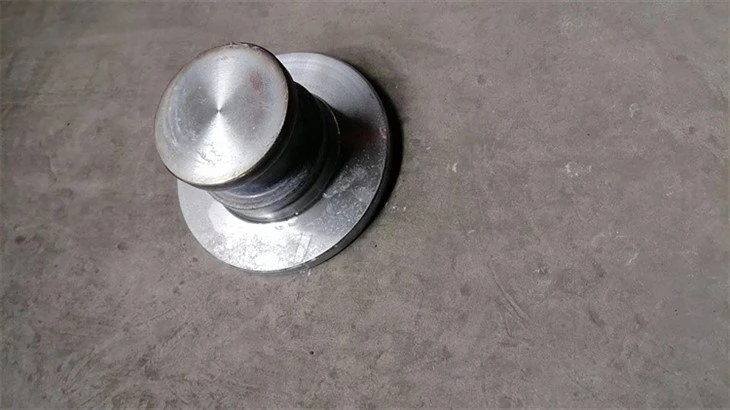
If you're into trailers or heavy - duty vehicles, you might also be interested in some related accessories. Check out our Landing Gear, which provides essential support for trailers. We also have Aluminum Gas Storage Cylinder for those who need to store gas safely. And for semi - trailers, our Semi - trailer King Pin is a crucial component for a secure connection.
Contact for Purchase
If you're in the market for axle brake pads for your FWD or RWD vehicle, I'd love to help you find the right ones. Whether you're a mechanic looking to stock up on high - quality brake pads or a vehicle owner in need of a replacement, I can provide you with the best products at competitive prices. Just reach out, and we can start the conversation about your specific requirements.
References
- "Automotive Brake Systems" by John Doe
- "Brake Pad Technology and Performance" by Jane Smith
So, that's a wrap on the differences in axle brake pads for FWD and RWD vehicles. I hope this blog has been helpful to you. If you have any questions or need more information, feel free to ask!


