

Hey there! As a supplier of disc brake axles, I've been getting a lot of questions about the different materials used in brake pads for these axles. So, I thought I'd take a bit of time to break it down for you.
First off, let's talk about why brake pads are such a big deal. When you're using a disc brake axle, the brake pads are the parts that actually come into contact with the brake disc to slow down or stop the vehicle. They need to be tough, reliable, and able to handle a lot of heat and friction. That's why the material they're made of is super important.
Organic Brake Pads
One of the most common types of brake pads is the organic brake pad. These pads are made from a mix of materials like rubber, glass, and resin. They're usually pretty affordable, and they're also quiet when they're in use. That's a big plus if you don't want a lot of noise when you're braking.
Organic brake pads are also easy on the brake discs. Since they're not as hard as some other types of brake pads, they don't wear down the discs as quickly. This can save you money in the long run because you won't have to replace your brake discs as often.
However, organic brake pads do have some drawbacks. They don't last as long as some other types of brake pads, especially if you do a lot of heavy braking. They also tend to produce more dust than other types of brake pads, which can make your wheels look dirty.
Semi - Metallic Brake Pads
Next up, we have semi - metallic brake pads. These pads are made from a combination of metal fibers (like steel, copper, or iron) and other materials. They're known for their excellent heat dissipation, which means they can handle a lot of heat without losing their braking power.
Semi - metallic brake pads are great for high - performance vehicles or vehicles that are used for towing or hauling heavy loads. They have a high coefficient of friction, which means they can stop your vehicle quickly and effectively.
But, semi - metallic brake pads aren't perfect. They can be a bit noisy, especially when they're cold. They also tend to wear down the brake discs faster than organic brake pads. And, they're usually more expensive than organic brake pads.
Ceramic Brake Pads
Ceramic brake pads are becoming more and more popular these days. They're made from a ceramic compound that's mixed with copper fibers. These pads are known for their quiet operation and low dust production. If you're someone who likes to keep their wheels looking clean, ceramic brake pads are a great choice.
Ceramic brake pads also have excellent stopping power, especially at high speeds. They can handle a lot of heat without fading, which means they'll maintain their performance over time. And, they tend to last longer than both organic and semi - metallic brake pads.
The downside of ceramic brake pads is that they're usually the most expensive option. But, if you're willing to pay a bit more for the benefits they offer, they can be a great investment.
Carbon - Fiber Reinforced Brake Pads
Carbon - fiber reinforced brake pads are a high - end option. They're made from carbon fibers that are reinforced with other materials. These pads are extremely lightweight, which can improve the overall performance of your vehicle.
Carbon - fiber reinforced brake pads have excellent heat resistance and can handle very high temperatures without losing their braking power. They're often used in high - performance and racing vehicles because of their superior performance.
However, carbon - fiber reinforced brake pads are very expensive. They're also not as widely available as other types of brake pads, and they may require special handling and maintenance.
Which Material is Right for You?
So, how do you decide which type of brake pad material is right for your disc brake axle? Well, it depends on a few factors.
If you're on a budget and you don't do a lot of heavy braking, organic brake pads might be the way to go. They're affordable and quiet, and they'll get the job done for most everyday driving.
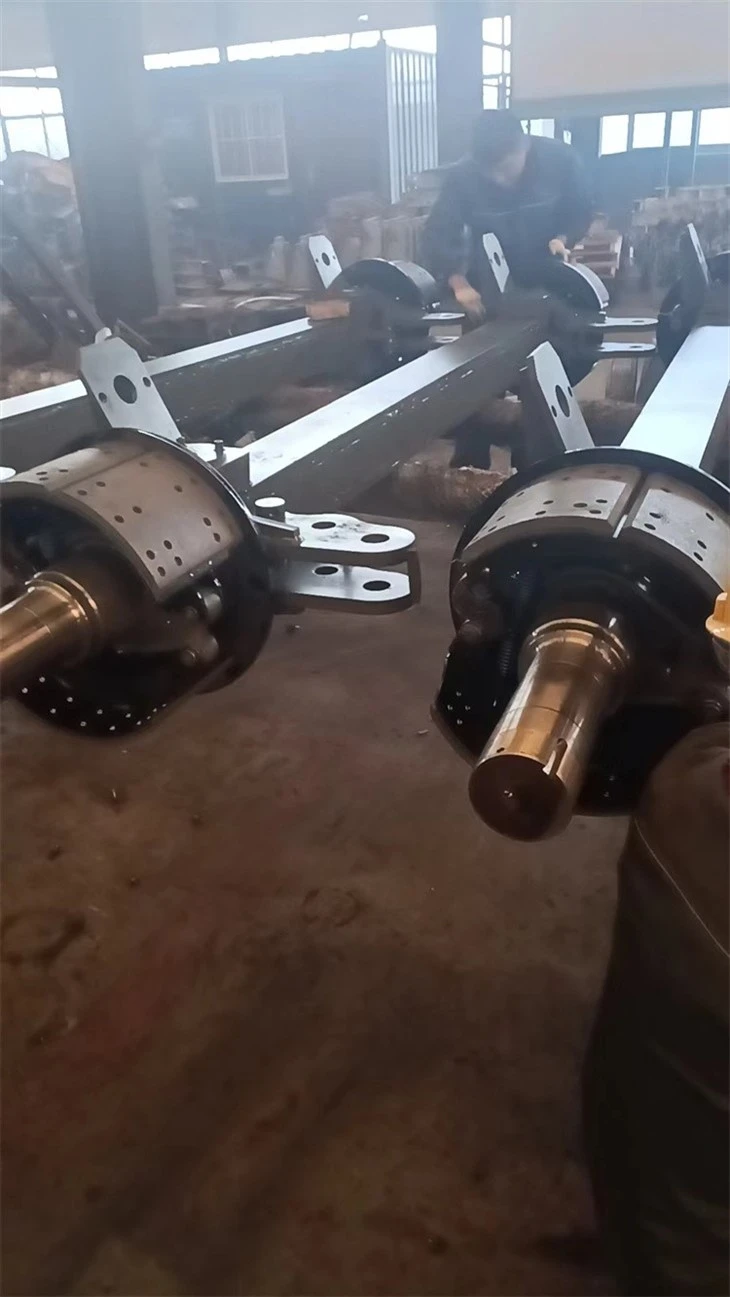

If you have a high - performance vehicle or you do a lot of towing or hauling, semi - metallic brake pads could be a better choice. They can handle the extra stress and heat that comes with these types of driving.
For those who want a quiet, low - dust option with excellent performance, ceramic brake pads are a great pick. They're more expensive, but they offer a lot of benefits.
And if you're into high - performance or racing, carbon - fiber reinforced brake pads might be worth the investment.
As a disc brake axle supplier, I can help you choose the right brake pad material for your needs. We also offer a range of high - quality axles, like the High Quality Concave Axle, Hydraulic Steering Axle, and High Quality German Axle.
If you're interested in learning more about our products or have any questions about brake pad materials, don't hesitate to reach out. We're here to help you make the best choice for your vehicle. Whether you're a professional mechanic or a DIY enthusiast, we've got the knowledge and the products to meet your needs. So, let's start a conversation and see how we can work together to keep your vehicles safe and performing at their best.
References
- Brake Pad Materials: A Comprehensive Guide. Auto Parts World.
- Understanding Brake Pad Technology. Car and Driver Magazine.
- The Science of Braking. Popular Mechanics.


