
Hey there! If you're in the trailer business, you know that the suspension is like the unsung hero of the whole setup. It's what keeps your trailer stable, smooth, and safe on the road. As a trailer suspension supplier, I've seen it all when it comes to different types of trailer suspensions. So, let's dive right in and take a look at the various kinds out there.
Leaf Spring Suspension
Leaf spring suspension is one of the oldest and most common types. It's been around for ages, and for good reason. It's simple, reliable, and can handle a lot of weight. The way it works is pretty straightforward. You've got a set of curved metal strips, called leaves, stacked on top of each other. These leaves are held together by a center bolt and are attached to the trailer frame and the axle.
When the trailer hits a bump, the leaves flex, absorbing the shock. This helps to keep the trailer stable and reduces the amount of jolting and bouncing inside. Leaf spring suspensions are great for heavy-duty trailers, like those used for hauling construction equipment or livestock. They can handle a lot of weight and are relatively inexpensive to manufacture and maintain.
However, they do have some drawbacks. They can be a bit stiff, which means a rougher ride for the cargo. And over time, the leaves can wear out or break, especially if the trailer is overloaded or used on rough roads. But overall, leaf spring suspension is a tried and true option that's still widely used today.
Torsion Axle Suspension
Torsion axle suspension is a more modern alternative to leaf spring suspension. Instead of using metal leaves, it uses rubber cords or bars that are twisted to provide suspension. When the trailer hits a bump, the rubber cords or bars twist, absorbing the shock.
One of the big advantages of torsion axle suspension is that it provides a smoother ride. The rubber cords or bars are more flexible than metal leaves, which means they can absorb more of the shock and vibration. This is especially important for trailers that carry sensitive cargo, like electronics or furniture.
Torsion axle suspensions are also more compact and lightweight than leaf spring suspensions. This can make them a good choice for smaller trailers, like those used for camping or towing behind a car. They're also easier to install and maintain, as there are fewer moving parts.
However, they can be more expensive than leaf spring suspensions, and they may not be as suitable for heavy-duty applications. If you're hauling a lot of weight, you may need to go with a leaf spring suspension or a more heavy-duty torsion axle suspension.
Air Suspension
Air suspension is a high-end option that's commonly used in commercial trailers, like semi-trucks and buses. It uses air bags instead of metal springs or rubber cords to provide suspension. When the trailer hits a bump, the air bags compress, absorbing the shock.
One of the biggest advantages of air suspension is that it provides a very smooth ride. The air bags can be adjusted to different pressures, which means you can customize the suspension to suit the load and the road conditions. This is especially important for trailers that carry fragile or sensitive cargo.
Air suspension also helps to improve the handling and stability of the trailer. It can reduce the amount of sway and bounce, which makes the trailer easier to control. And because the air bags can be adjusted, you can keep the trailer level, even when it's loaded unevenly.
However, air suspension is more expensive than leaf spring or torsion axle suspension. It also requires more maintenance, as the air bags and the air compressor need to be checked and serviced regularly. And if there's a leak in the air system, the trailer can lose its suspension and become unstable.
Independent Suspension
Independent suspension is a type of suspension where each wheel is independently suspended from the trailer frame. This means that each wheel can move up and down independently, without affecting the other wheels.
One of the big advantages of independent suspension is that it provides a very smooth ride. Because each wheel can move independently, it can better absorb the shock and vibration from the road. This is especially important for trailers that are used on rough or uneven roads.
Independent suspension also helps to improve the handling and stability of the trailer. It can reduce the amount of sway and bounce, which makes the trailer easier to control. And because each wheel can move independently, it can better maintain contact with the road, which improves traction and braking.
However, independent suspension is more complex and expensive than other types of suspension. It requires more parts and more maintenance, and it may not be as suitable for heavy-duty applications. But for trailers that need a smooth ride and good handling, independent suspension can be a great option.
American Style Suspension
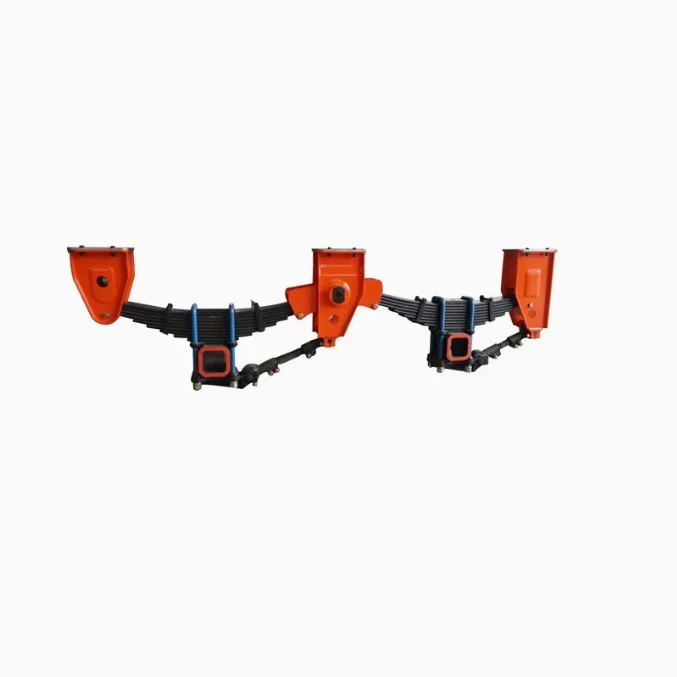
Now, let's talk about American style suspension. American style suspension is known for its durability and strength. It's commonly used in heavy-duty trailers, like those used for hauling construction equipment or large loads.
One of the key features of American style suspension is the heavy pull rod. The American Suspension Heavy Pull Rod helps to distribute the weight evenly across the trailer and provides additional support and stability. It's designed to handle a lot of stress and is made from high-quality materials to ensure long-lasting performance.
American style suspension also typically uses a rear bracket design that provides a secure connection between the suspension and the trailer frame. The American Style Suspension is engineered to withstand the rigors of heavy use and is often used in trailers that are subjected to rough conditions.
German Type Suspension
German type suspension is another popular option, especially in Europe. It's known for its precision engineering and high-quality components. German type suspension is often used in trailers that require a high level of performance and reliability.
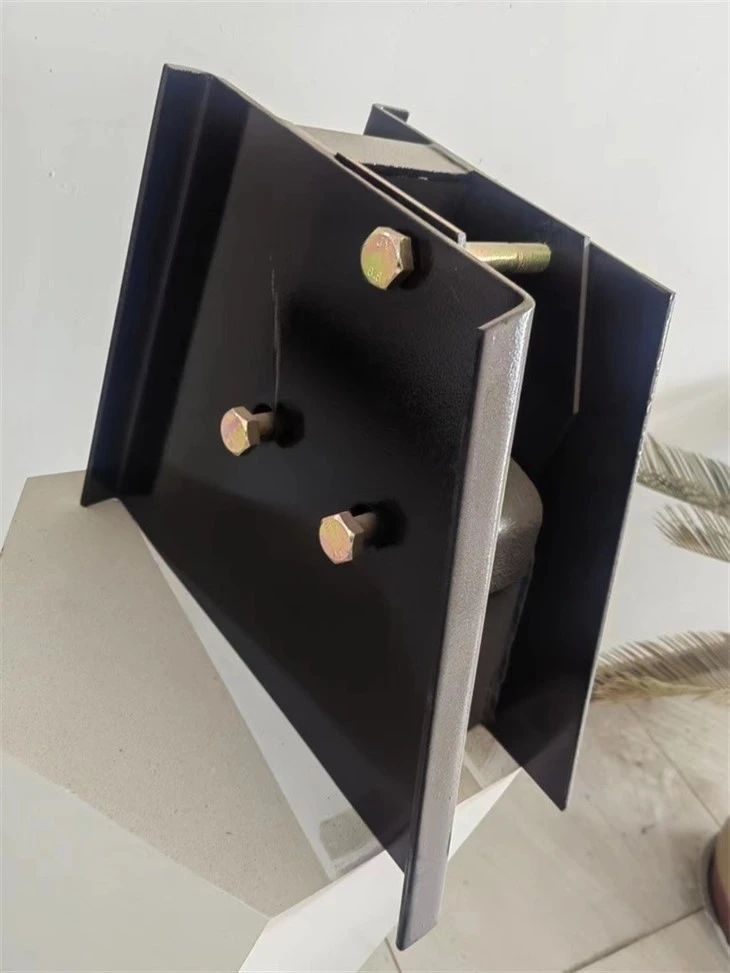
One of the features of German type suspension is the rear bracket design. The German Type Rear Bracket is designed to provide a stable and secure connection between the suspension and the trailer frame. It's made from high-strength materials and is engineered to withstand the forces generated during operation.
German type suspension also typically uses advanced technologies, such as air suspension or torsion axle suspension, to provide a smooth and comfortable ride. These technologies are designed to improve the handling and stability of the trailer and to reduce the wear and tear on the components.
Which Type of Trailer Suspension is Right for You?
So, now that you know about the different types of trailer suspension, how do you choose the right one for your trailer? Well, it depends on a few factors.
First, consider the type of cargo you'll be hauling. If you're hauling heavy or bulky items, you'll need a suspension that can handle the weight. Leaf spring suspension or a heavy-duty torsion axle suspension may be a good choice. If you're hauling sensitive or fragile cargo, you'll want a suspension that provides a smooth ride, like torsion axle suspension or air suspension.
Next, think about the type of roads you'll be using. If you'll be driving on rough or uneven roads, you'll need a suspension that can handle the bumps and potholes. Leaf spring suspension or independent suspension may be a good option. If you'll be driving on mostly smooth highways, you may be able to get away with a lighter suspension, like torsion axle suspension.
Finally, consider your budget. Some types of suspension, like air suspension and independent suspension, are more expensive than others. You'll need to balance the cost of the suspension with the benefits it provides.
As a trailer suspension supplier, I can help you choose the right suspension for your trailer. I've got a wide range of options available, and I can provide you with expert advice and support. Whether you need a heavy-duty suspension for a commercial trailer or a smooth-riding suspension for a recreational trailer, I've got you covered.
If you're interested in learning more about our trailer suspension products or if you have any questions, please don't hesitate to contact me. I'd be happy to discuss your needs and help you find the perfect suspension for your trailer. Let's work together to make sure your trailer is safe, reliable, and performs at its best.
References
- "Trailer Suspension Systems: A Comprehensive Guide" by Trailer Life Magazine
- "The Basics of Trailer Suspension" by RV Travel
- "Choosing the Right Trailer Suspension" by Trailer Parts Superstore


