
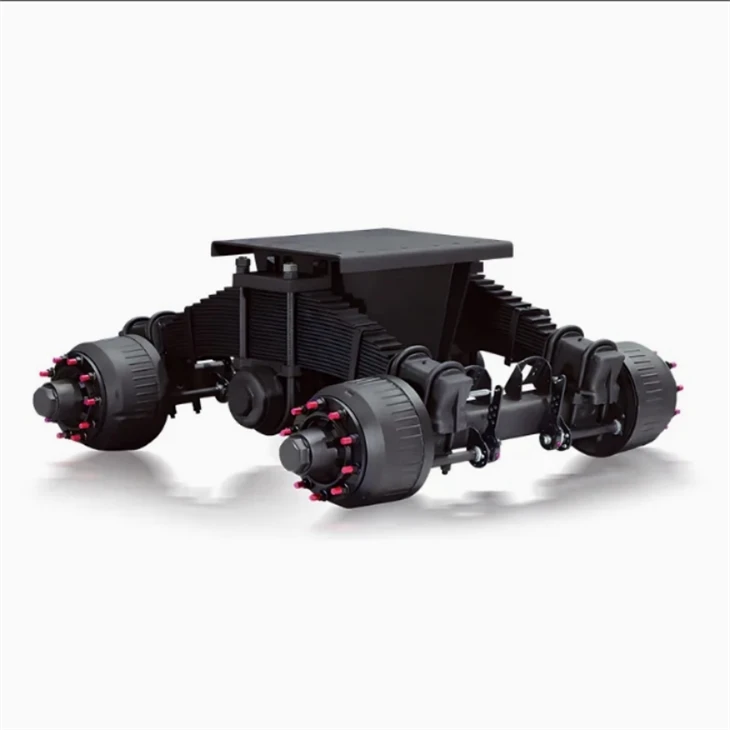
Hey there! As a bogie suspension supplier, I've been thinking a lot about the environmental impacts of what we do. Bogie suspensions are a crucial part of trailers and other heavy - duty vehicles, providing stability and support. But like any manufacturing process, it comes with its own set of environmental implications.
Let's start with the raw materials. The main materials used in bogie suspension manufacturing are steel and sometimes aluminum. Steel production is a major energy - intensive process. A huge amount of coal is burned in blast furnaces to convert iron ore into steel. This not only consumes vast amounts of non - renewable energy but also releases a significant amount of carbon dioxide into the atmosphere. According to some studies, for every ton of steel produced, around 1.85 tons of CO2 are emitted on average.
Aluminum, on the other hand, is made through the electrolysis of alumina. This process requires a massive amount of electricity. Most of the world's electricity still comes from fossil - fuel power plants, so aluminum production also has a high carbon footprint. Mining the bauxite ore, which is the main source of aluminum, can cause deforestation, soil erosion, and water pollution. The mining operations often disrupt local ecosystems, displacing wildlife and affecting the livelihoods of local communities.
The manufacturing process itself is also energy - hungry. Machining, welding, and heat - treating the components of bogie suspensions all need a lot of energy. Factories run large machines 24/7, and the energy consumption adds up quickly. Moreover, the use of chemicals in the manufacturing process, such as lubricants and coatings, can have negative environmental impacts. These chemicals can contaminate water sources if not properly disposed of. For example, some lubricants contain heavy metals that can seep into the soil and groundwater, posing a threat to human health and the environment.

Transportation is another factor. Once the bogie suspensions are manufactured, they need to be shipped to customers. Whether it's by truck, train, or ship, this transportation releases greenhouse gases. Trucks, in particular, are a major source of air pollution, emitting nitrogen oxides, particulate matter, and carbon monoxide. The longer the distance of transportation, the more significant the environmental impact.
However, we're not just sitting back and watching these negative impacts. At our company, we're taking steps to reduce the environmental footprint of bogie suspension manufacturing. One of the things we're doing is sourcing materials more responsibly. We're working with suppliers who use recycled steel and aluminum. Recycling these metals requires much less energy compared to producing them from scratch. For steel, recycling can reduce energy consumption by up to 75%, and for aluminum, the reduction can be as high as 95%.
We're also investing in more energy - efficient manufacturing technologies. Newer machines use less electricity and are more precise, which means less waste. For example, we've installed advanced welding robots that not only improve the quality of the welds but also consume less energy compared to traditional welding methods.
In terms of transportation, we're trying to optimize our shipping routes. By using software that calculates the most efficient routes, we can reduce the distance traveled and, therefore, the emissions. We're also looking into partnerships with local distributors to reduce the need for long - distance shipping.
Another important aspect is waste management. We've implemented a comprehensive waste management system in our factory. We separate different types of waste, recycle as much as possible, and ensure that hazardous waste is disposed of safely. This helps to minimize the environmental impact of our manufacturing process.
Now, let's talk about a specific type of bogie suspension, the Single Point of Suspension. This type of suspension offers unique advantages in terms of load distribution and vehicle stability. It's designed to provide a smooth ride even under heavy loads. From an environmental perspective, the single - point suspension can potentially reduce fuel consumption in trailers. By improving the vehicle's handling and reducing vibrations, it can make the trailer more energy - efficient, which in turn reduces greenhouse gas emissions.
As a bogie suspension supplier, we're committed to being part of the solution to environmental problems. We believe that by taking these steps, we can not only reduce our environmental impact but also offer more sustainable products to our customers. If you're in the market for high - quality, environmentally - friendly bogie suspensions, we'd love to have a chat with you. Whether you're a trailer manufacturer, a logistics company, or anyone else in need of reliable suspension systems, we can provide you with the best options that meet your requirements while also being kind to the environment.
In conclusion, while bogie suspension manufacturing does have environmental impacts, there are many ways to mitigate them. Through responsible sourcing, energy - efficient manufacturing, optimized transportation, and proper waste management, we can make the industry more sustainable. If you're interested in learning more about our products or discussing how we can work together to reduce your environmental footprint, don't hesitate to reach out. Let's make a positive change in the industry together.
References
- World Steel Association. "Steel and the Environment."
- Aluminum Association. "Environmental Benefits of Aluminum Recycling."
- Various industry reports on energy consumption in manufacturing processes.


