

Yo, what's up everyone! I'm a supplier of lifting air suspension, and today I wanna chat about the environmental impacts of these bad boys. Lifting air suspension systems have been around for a while, and they've got some cool features that make them popular in the transportation industry. But like anything, they also have an impact on the environment, and that's what we're gonna dig into.
First off, let's talk about what lifting air suspension is. If you're not familiar, you can check out Lifting Air Suspension for more details. Essentially, it's a type of suspension system that uses air springs to support the weight of a vehicle. The cool thing about it is that you can adjust the height of the suspension, which is super useful for things like loading and unloading cargo, or driving on different types of terrain.
One of the biggest environmental impacts of lifting air suspension is related to fuel efficiency. When you lift the suspension, it changes the aerodynamics of the vehicle. A higher vehicle generally has more air resistance, which means the engine has to work harder to move forward. This results in increased fuel consumption. According to some studies, even a small increase in the height of a vehicle can lead to a noticeable drop in miles per gallon. And as we all know, burning more fuel means more greenhouse gas emissions. Carbon dioxide (CO2) is the main culprit here, and it's a major contributor to global warming.
But it's not all bad news. In some cases, lifting the air suspension can actually improve fuel efficiency. For example, if you're driving on rough or uneven terrain, lifting the suspension can reduce the amount of friction between the tires and the ground. This can make the vehicle move more smoothly and use less fuel. Also, when you're loading or unloading cargo, having the ability to adjust the height of the suspension can make the process more efficient. This means less time idling, which also saves fuel.
Another environmental aspect to consider is the manufacturing process of lifting air suspension systems. Making these systems requires a lot of energy and resources. Metals like steel and aluminum are commonly used, and extracting and processing these metals is energy-intensive. There are also chemicals involved in the manufacturing, such as those used for painting and coating the components. These chemicals can have a negative impact on the environment if not properly managed.
However, as a supplier, we're always looking for ways to reduce the environmental impact of our products. We're constantly researching and developing new materials and manufacturing techniques. For instance, we're exploring the use of recycled metals in our air suspension systems. This not only reduces the demand for virgin materials but also saves energy in the manufacturing process. We're also working on improving the efficiency of our production lines to minimize waste and energy consumption.
Now, let's talk about the end-of-life disposal of lifting air suspension systems. When these systems reach the end of their useful life, they need to be disposed of properly. If they're just thrown into landfills, they can take up a lot of space and potentially release harmful substances into the environment. But many of the components in lifting air suspension systems can be recycled. Metals can be melted down and reused, and some of the rubber and plastic parts can also be recycled. As a responsible supplier, we encourage our customers to recycle their old suspension systems and provide information on how to do it.
In addition to the direct environmental impacts, lifting air suspension can also have an indirect impact on the environment through its effect on road infrastructure. When a vehicle has a lifting air suspension, it can put more stress on the roads, especially when the suspension is lifted. This can lead to more frequent road repairs and maintenance, which requires a significant amount of resources and energy. And let's not forget about the emissions from the construction vehicles used in these roadworks.
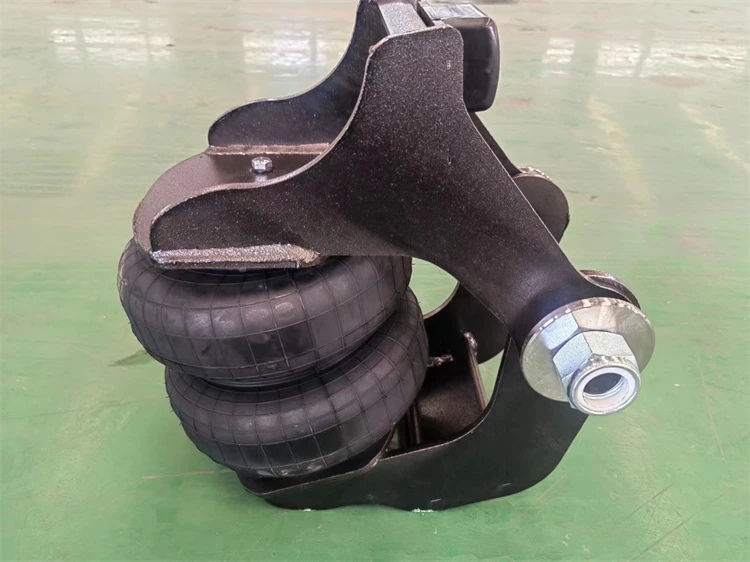
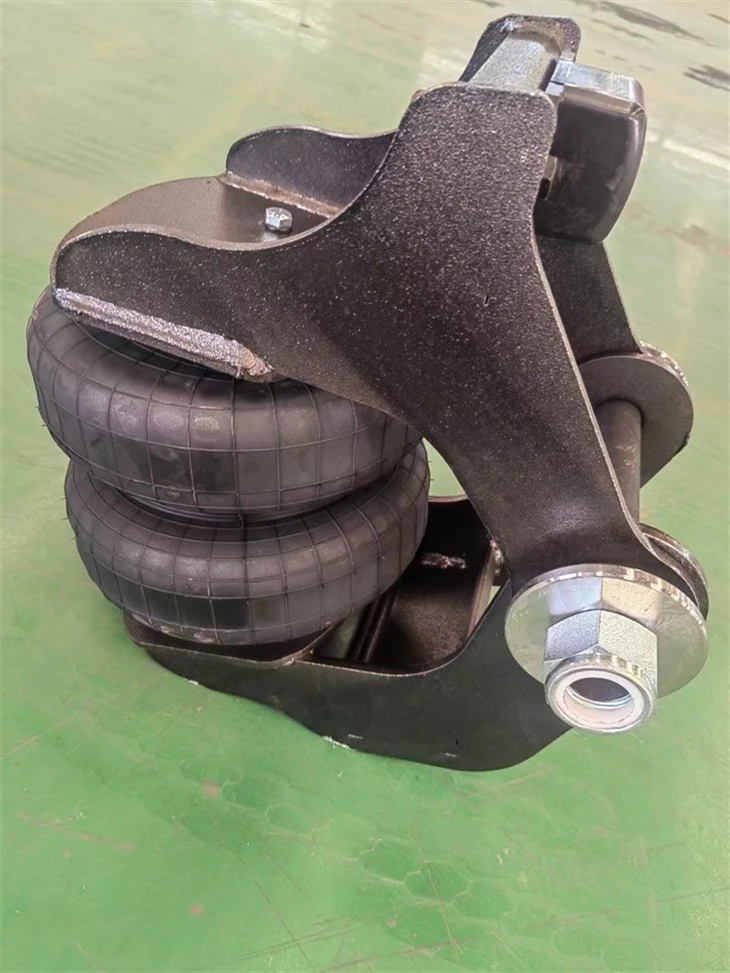
On the other hand, a well-designed lifting air suspension system can actually help reduce the impact on roads. By providing better shock absorption and weight distribution, it can minimize the damage to the road surface. This means fewer road repairs in the long run, which is better for the environment.
So, what can we do to minimize the environmental impact of lifting air suspension? As a supplier, we're committed to making our products as eco-friendly as possible. We're investing in research and development to improve the fuel efficiency of our suspension systems. We're also promoting the use of recycled materials and sustainable manufacturing practices.
For customers, there are a few things you can do too. First, try to use the lifting function of the air suspension only when necessary. If you don't need to lift the vehicle, keep it at the lowest height possible to reduce air resistance and improve fuel efficiency. Second, make sure to properly maintain your air suspension system. A well-maintained system will work more efficiently and last longer, reducing the need for frequent replacements. And finally, when it's time to replace your suspension system, recycle the old one.
If you're in the market for a lifting air suspension system, we've got a great range of products to offer. We have Air Suspension With Guide Arm, which provides excellent stability and control. And of course, our Lifting Air Suspension is designed to meet the highest standards of quality and performance. You can also check out our Air Suspension for more options.
We're always happy to chat with you about your specific needs and how our products can help. Whether you're looking to improve the efficiency of your fleet or just want a reliable suspension system for your vehicle, we're here to help. So, if you're interested in learning more or making a purchase, don't hesitate to get in touch with us. We're ready to start a conversation and find the best solution for you.
In conclusion, lifting air suspension systems have both positive and negative environmental impacts. But with the right approach from suppliers and customers, we can minimize the negative effects and make these systems more sustainable. Let's work together to protect our environment while still enjoying the benefits of these innovative suspension systems.
References
- Various industry reports on vehicle aerodynamics and fuel efficiency
- Studies on the environmental impact of metal extraction and manufacturing processes
- Research on road infrastructure damage caused by different vehicle suspension systems


