

When it comes to the installation angles of a German equalizing beam, understanding the nuances is crucial for optimal performance in trailer suspension systems. As a trusted supplier of German equalizing beams, we've witnessed firsthand the impact that correct installation angles can have on the overall functionality and longevity of these components. In this blog post, we'll delve into the key aspects of installation angles, their significance, and how they contribute to a well - functioning trailer suspension.

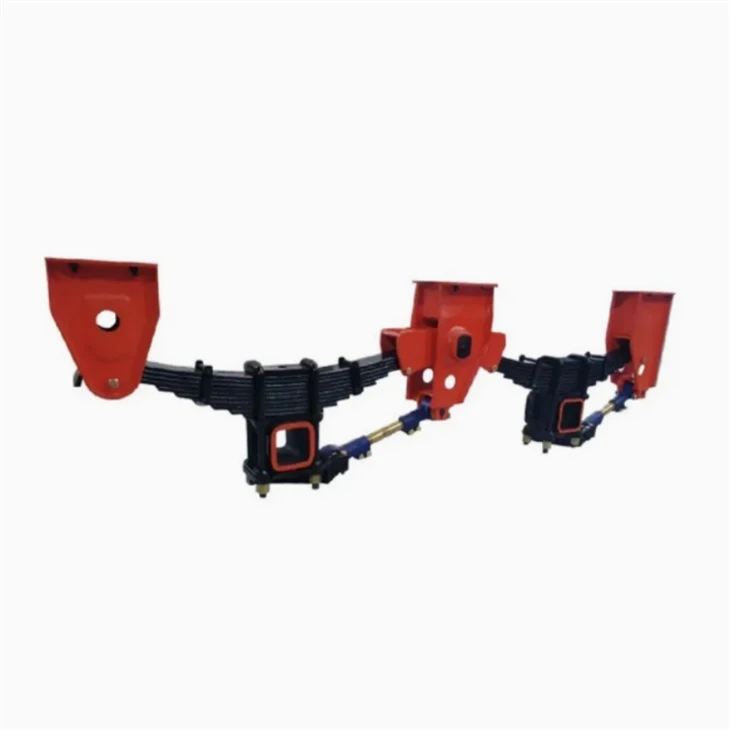
The Basics of German Equalizing Beams
German equalizing beams are an integral part of German Style Suspension. They play a vital role in distributing the load evenly across multiple axles of a trailer. By doing so, they help to reduce stress on individual axles and tires, which in turn enhances the stability and safety of the trailer during transportation.
The design of German equalizing beams is engineered to provide maximum flexibility and durability. They are typically made from high - strength steel, which can withstand heavy loads and harsh operating conditions. The equalizing beam is connected to the axles and the trailer frame, and its movement is carefully calibrated to ensure smooth weight distribution.
Understanding Installation Angles
The installation angles of a German equalizing beam refer to the orientation at which the beam is mounted to the trailer frame and axles. There are two primary angles to consider: the vertical angle and the horizontal angle.
Vertical Angle
The vertical angle of the equalizing beam determines how the load is transferred from the trailer frame to the axles. A proper vertical angle ensures that the weight is evenly distributed along the length of the beam. If the vertical angle is too steep, it can cause excessive stress on the front or rear of the beam, leading to premature wear and potential failure. On the other hand, if the vertical angle is too shallow, the beam may not be able to transfer the load effectively, resulting in uneven tire wear and reduced stability.
In general, the optimal vertical angle for a German equalizing beam is between 5 and 15 degrees from the horizontal plane. This range allows for efficient load transfer while also providing enough flexibility to accommodate different road conditions. However, the exact vertical angle may vary depending on the specific design of the trailer, the load capacity, and the type of suspension system being used.
Horizontal Angle
The horizontal angle of the equalizing beam affects the lateral stability of the trailer. It determines how the beam responds to side - to - side forces, such as those experienced during cornering or when the trailer is subjected to cross - winds. A correct horizontal angle ensures that the beam can resist these lateral forces without causing excessive sway or instability.
The ideal horizontal angle for a German equalizing beam is typically within 2 to 5 degrees from the centerline of the trailer. This small angle helps to maintain the balance of the trailer while allowing for some movement to absorb shocks and vibrations. Deviating from this range can lead to handling issues, such as poor tracking and increased tire scrubbing.
Factors Affecting Installation Angles
Several factors can influence the installation angles of a German equalizing beam. These include:
Trailer Design
The design of the trailer, including its length, width, and height, can have a significant impact on the installation angles. Longer trailers may require different angles to ensure proper weight distribution, while trailers with a higher center of gravity may need more precise horizontal angles to maintain stability.
Load Capacity
The amount of weight that the trailer is designed to carry also affects the installation angles. Heavier loads may require steeper vertical angles to transfer the weight effectively, while lighter loads may allow for more flexibility in the angles. Heavy Duty German Type Suspension is often used for trailers with high load capacities, and it may have specific requirements for installation angles.
Suspension System
The type of suspension system being used can also influence the installation angles. Air suspension systems, for example, may have different requirements compared to leaf spring suspension systems. The flexibility and adjustability of the suspension system can affect how the equalizing beam interacts with the axles and the trailer frame.
Importance of Correct Installation Angles
Installing the German equalizing beam at the correct angles is of utmost importance for several reasons:
Safety
Proper installation angles ensure the stability and safety of the trailer. By evenly distributing the load and resisting lateral forces, the equalizing beam helps to prevent accidents, such as roll - overs and jackknifing. This is especially crucial when transporting heavy or hazardous materials.
Durability
Correct installation angles reduce stress on the equalizing beam and other suspension components. This helps to extend their lifespan and reduce the frequency of maintenance and replacement. By minimizing wear and tear, you can save on repair costs and keep your trailer in service for longer.
Performance
Optimal installation angles improve the overall performance of the trailer. They result in smoother rides, better handling, and reduced tire wear. This not only enhances the comfort of the driver but also improves the efficiency of the transportation operation.
Installation Process
Installing a German equalizing beam requires careful planning and precision. Here are the general steps involved:
- Inspection: Before installation, thoroughly inspect the trailer frame, axles, and all related components for any signs of damage or wear. Ensure that all parts are clean and free of debris.
- Measurement: Use precision measuring tools to determine the correct installation angles based on the trailer design, load capacity, and suspension system. Mark the mounting points on the trailer frame and axles accordingly.
- Mounting: Securely attach the equalizing beam to the trailer frame and axles using the appropriate hardware. Make sure that the beam is aligned correctly with the marked angles and that all bolts are tightened to the specified torque.
- Testing: After installation, test the trailer under different load conditions to ensure that the equalizing beam is functioning properly. Check for any signs of abnormal movement, noise, or uneven tire wear.
The Role of the German Type Middle Bracket
The German Type Middle Bracket is an important component that works in conjunction with the equalizing beam. It provides additional support and stability to the suspension system. The middle bracket is designed to connect the equalizing beam to the trailer frame at a specific point, helping to maintain the correct installation angles and distribute the load evenly.
When installing the German equalizing beam, it's essential to ensure that the middle bracket is also installed correctly. This may involve aligning the bracket with the beam and the trailer frame, and tightening the mounting bolts to the appropriate torque. A properly installed middle bracket can significantly enhance the performance and durability of the entire suspension system.
Conclusion
The installation angles of a German equalizing beam are critical for the safe, efficient, and durable operation of a trailer suspension system. By understanding the vertical and horizontal angles, considering the factors that affect them, and following the correct installation process, you can ensure that your trailer performs at its best.
As a leading supplier of German equalizing beams, we have the expertise and experience to provide you with high - quality products and technical support. Whether you're a trailer manufacturer, a fleet operator, or a maintenance professional, we're here to help you find the right solutions for your needs. If you're interested in purchasing German equalizing beams or have any questions about installation angles, please feel free to contact us for a detailed discussion and procurement negotiation. We look forward to working with you to optimize your trailer suspension system.
References
- Trailer Suspension Handbook, [Publisher Name], [Year]
- Engineering Principles of Heavy - Duty Trailers, [Author Name], [Year]
- Technical Manual for German - Style Suspension Systems, [Manufacturer Name], [Year]


