
German style suspension components are renowned for their high - quality, durability, and performance in the automotive and trailer industries. As a supplier of German style suspension, I have in - depth knowledge of the materials used in these components, which contribute to their outstanding characteristics.
Steel
Steel is one of the most commonly used materials in German style suspension components. It offers a combination of strength, toughness, and cost - effectiveness. High - strength steel alloys are often employed in the manufacturing of key parts such as brackets and axles.
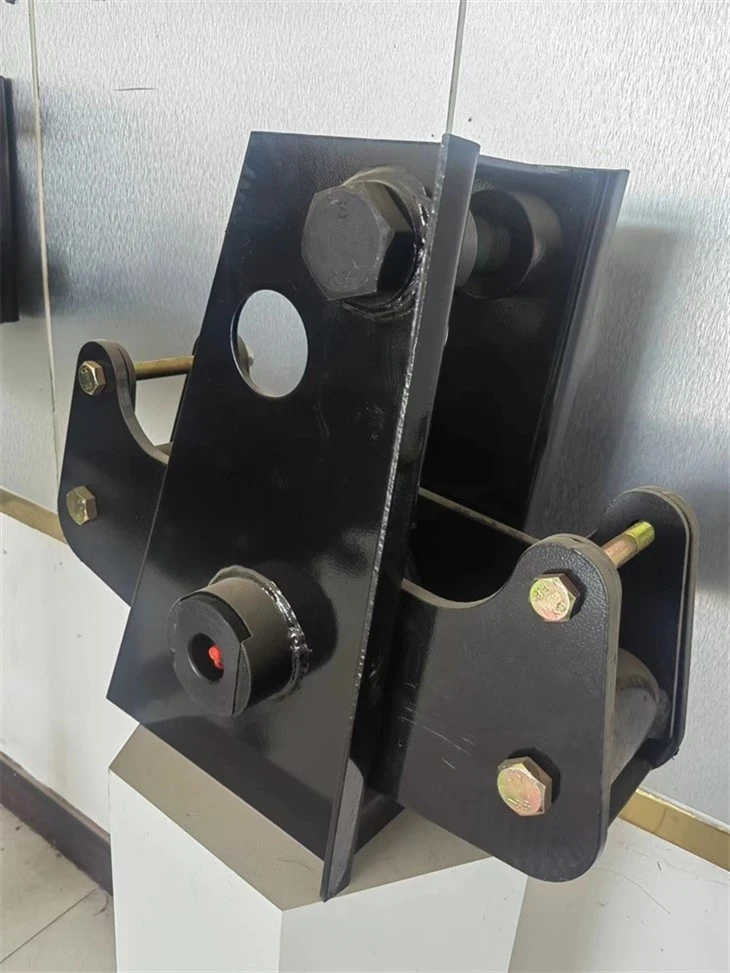
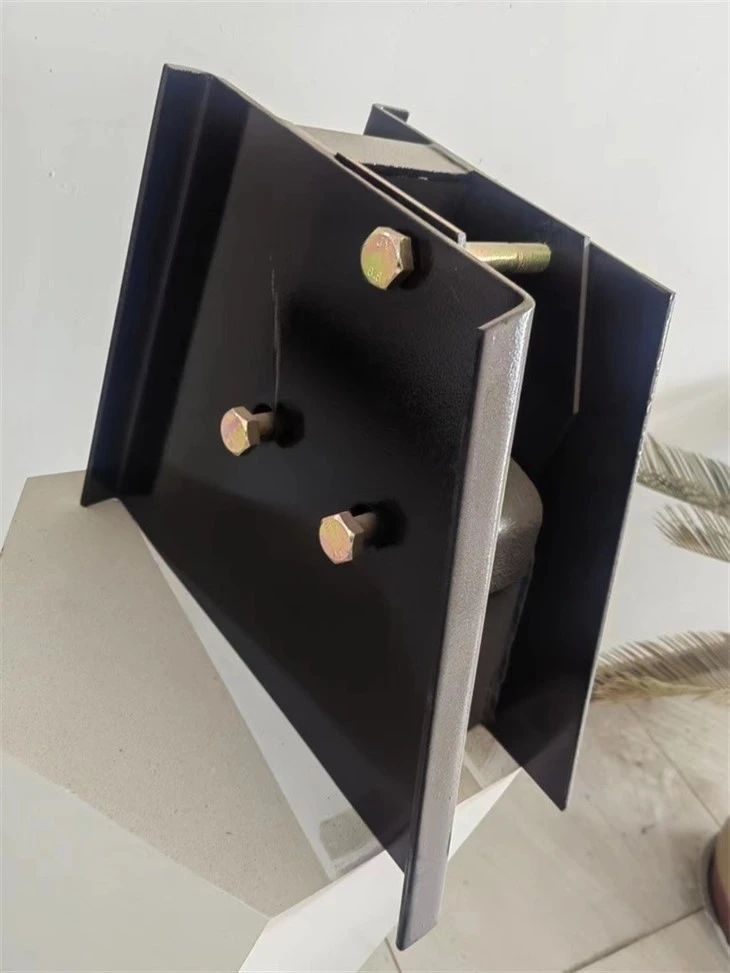
For instance, in German Type Front Bracket, steel provides the necessary structural integrity to support the weight of the vehicle or trailer and withstand the various forces encountered during operation. The steel used is typically heat - treated to enhance its mechanical properties. Heat treatment processes like quenching and tempering can increase the hardness and strength of the steel while maintaining a certain level of ductility. This ensures that the front bracket can resist bending and deformation under heavy loads.
Similarly, the Heavy Duty German Type Suspension relies on steel for its main structural elements. Axles made of high - strength steel can carry large amounts of weight without breaking or experiencing excessive deflection. The steel's ability to absorb and distribute stress evenly helps to prevent premature failure of the suspension system.
Aluminum
Aluminum is another important material in German style suspension components, especially in applications where weight reduction is a priority. Aluminum has a relatively low density compared to steel, which means that components made from aluminum are lighter. This can lead to improved fuel efficiency, better handling, and reduced wear on other parts of the vehicle or trailer.
In some modern German style suspension designs, aluminum is used for parts such as control arms. Control arms made of aluminum can reduce the unsprung weight of the suspension system. Unsprung weight refers to the mass of the components that are not supported by the vehicle's springs, such as wheels, tires, and control arms. By reducing the unsprung weight, the suspension can respond more quickly to road irregularities, resulting in a smoother ride and better traction.
However, aluminum also has some limitations. It is not as strong as steel in terms of sheer strength. Therefore, when using aluminum in suspension components, engineers need to carefully design the part's shape and structure to compensate for its lower strength. For example, they may use thicker cross - sections or add reinforcement ribs to the aluminum control arms.
Rubber
Rubber plays a crucial role in German style suspension components, primarily as a damping and isolation material. Rubber bushings are used in various parts of the suspension system, such as between the control arms and the frame, and between the shock absorbers and the vehicle body.
These rubber bushings help to reduce noise, vibration, and harshness (NVH) levels in the vehicle or trailer. They act as a buffer between the metal components, absorbing and dissipating the energy generated by road vibrations and impacts. This not only improves the comfort of the passengers but also protects the suspension components from excessive wear and damage.
In addition, rubber can provide some degree of flexibility to the suspension system. It allows for a certain amount of movement and articulation between the components, which is essential for the proper functioning of the suspension. For example, rubber bushings in the control arms allow the arms to pivot smoothly as the wheels move up and down over bumps.
Composite Materials
Composite materials are becoming increasingly popular in the manufacturing of German style suspension components. Composites are made by combining two or more different materials to create a material with enhanced properties.
One common type of composite used in suspension is carbon fiber - reinforced polymer (CFRP). CFRP offers an excellent strength - to - weight ratio, even better than that of aluminum. It is extremely strong and lightweight, making it ideal for high - performance suspension applications.
In some high - end German style suspension systems, CFRP may be used for parts such as anti - roll bars. Anti - roll bars are designed to reduce body roll during cornering. By using CFRP, the anti - roll bar can be made lighter without sacrificing strength. This not only improves the vehicle's handling but also reduces the overall weight of the suspension system.
However, composite materials also have some drawbacks. They are generally more expensive to produce than traditional materials like steel and aluminum. Additionally, the manufacturing process for composite components is more complex and requires specialized equipment and skills.
Cast Iron
Cast iron is still used in certain German style suspension components, especially in applications where high wear resistance and good damping properties are required. Cast iron has a high carbon content, which gives it excellent hardness and wear resistance.
In some heavy - duty trailer suspension systems, cast iron may be used for brake drums. Brake drums need to be able to withstand high temperatures and friction forces during braking. Cast iron's ability to dissipate heat effectively and resist wear makes it a suitable material for this application.
Moreover, cast iron has good damping properties, which can help to reduce vibrations in the braking system. This is important for ensuring smooth and reliable braking performance.
Stainless Steel
Stainless steel is used in German style suspension components where corrosion resistance is a major concern. In environments where the suspension is exposed to moisture, salt, or other corrosive substances, stainless steel can provide long - term protection against rust and corrosion.
For example, in coastal areas or in regions where roads are salted during the winter, stainless steel bolts and fasteners are often used in the suspension system. These fasteners need to maintain their integrity over time to ensure the proper assembly and function of the suspension components. Stainless steel's resistance to corrosion helps to prevent the fasteners from weakening or failing due to rust.
Titanium
Although not as commonly used as steel, aluminum, or rubber, titanium has some potential applications in German style suspension components. Titanium is known for its extremely high strength - to - weight ratio, even better than CFRP in some cases. It is also highly corrosion - resistant.
In high - performance and racing applications, titanium may be used for parts such as suspension springs or tie rods. Titanium springs can provide the same level of stiffness as steel springs but with a significantly lower weight. This can lead to improved handling and performance of the vehicle. However, the high cost of titanium limits its widespread use in mainstream suspension systems.
Conclusion
The materials used in German style suspension components are carefully selected based on their properties and the specific requirements of the application. Steel provides strength and durability, aluminum offers weight reduction, rubber dampens vibrations, composite materials bring high - performance characteristics, cast iron provides wear resistance, stainless steel resists corrosion, and titanium offers unique high - end performance.
As a supplier of German style suspension, I am committed to using the best materials and the latest manufacturing techniques to produce high - quality suspension components. If you are interested in purchasing German style suspension components for your automotive or trailer needs, I invite you to contact me for more information and to discuss your specific requirements. We can have a detailed negotiation on the product specifications, price, and delivery terms. Looking forward to establishing a long - term and mutually beneficial business relationship with you.
References
- Automotive Materials Handbook: Properties, Processes, and Applications, ASM International
- Suspension Design and Tuning, Milliken & Milliken
- Rubber Technology Handbook, Werner Hofmann