

As a trusted supplier of German equalizing beams, I understand the significance of proper installation in a factory setting. The German equalizing beam is a critical component in many industrial applications, especially in the realm of trailer suspensions. Its correct installation not only ensures the optimal performance of the equipment but also enhances safety and longevity. In this blog, I will provide a detailed guide on the installation guidelines for a German equalizing beam in a factory environment.

Pre - installation Preparations
Before starting the installation process, it is essential to conduct a thorough inspection of all the components. Check the German equalizing beam for any visible damages such as cracks, dents, or corrosion. Any defective parts should be replaced immediately to avoid future problems. Make sure you have all the necessary tools at hand, including wrenches, sockets, torque wrenches, and measuring tools.
Verify the compatibility of the German equalizing beam with the existing system. Consider factors such as the load capacity, dimensions, and connection types. The German Equalizing Beam is designed to meet specific industry standards, and it is crucial to ensure that it aligns with your factory's requirements.
Familiarize yourself with the installation manual provided by the manufacturer. The manual contains detailed instructions and specifications that are tailored to the particular model of the equalizing beam. It also provides information on recommended torque values and safety precautions.
Site Preparation
The installation site should be clean, dry, and well - lit. Remove any debris, oil, or grease from the area where the equalizing beam will be installed. Ensure that the surface is flat and level to prevent uneven stress on the beam during operation.
If the installation is part of a trailer suspension system, check the alignment of the trailer frame. Misaligned frames can cause premature wear and tear on the equalizing beam and other suspension components. Use a measuring tool to verify the parallelism and perpendicularity of the frame members.
Mounting the German Equalizing Beam
- Positioning the Beam
- First, position the German equalizing beam in the designated location on the trailer frame or the relevant equipment. Use a hoist or other lifting devices to carefully place the beam. Make sure it is centered and aligned correctly with the mounting points.
- Check the clearance between the beam and other surrounding components. There should be enough space to prevent interference during movement.
- Attaching the Mounting Brackets
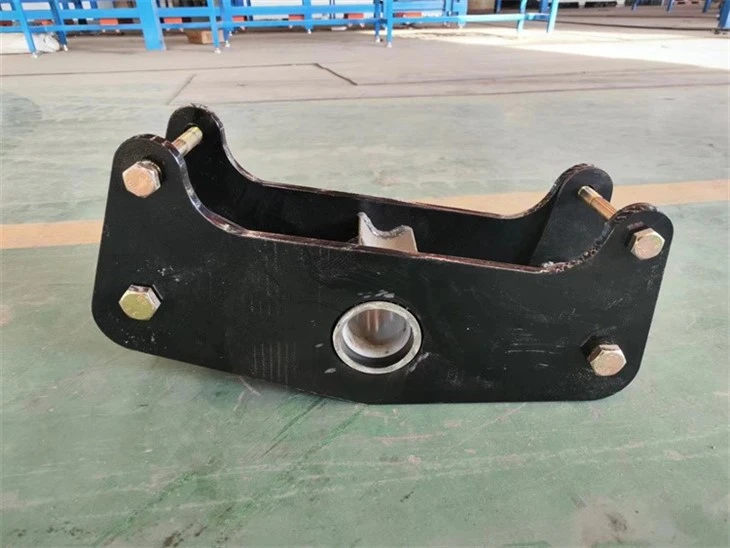
- The German Type Middle Bracket is an important part of the installation. Attach the middle bracket to the equalizing beam according to the manufacturer's instructions. Use the appropriate bolts and nuts, and ensure that they are tightened to the recommended torque values.
- The middle bracket provides support and stability to the equalizing beam. It is crucial to ensure that it is securely attached to prevent any movement or loosening during operation.
- Connecting to the Suspension System
- If the equalizing beam is part of a German Style Suspension, connect it to the other suspension components such as air springs, shock absorbers, and axles. Follow the wiring and piping diagrams provided in the installation manual.
- When connecting the air springs, make sure the air lines are properly connected and sealed to prevent air leakage. Check the shock absorbers for proper installation and ensure that they are functioning correctly.
- Axle Connection
- Connect the equalizing beam to the axles. Use the appropriate U - bolts and nuts to secure the connection. Tighten the U - bolts to the specified torque values to prevent the axles from shifting.
- Check the alignment of the axles after the connection. The axles should be parallel to each other and perpendicular to the trailer frame. Incorrect axle alignment can lead to uneven tire wear and poor handling.
Torqueing and Final Checks
- Torqueing
- After all the components are connected, use a torque wrench to check and re - torque all the bolts and nuts. Make sure they are tightened to the exact torque values specified in the installation manual. Over - tightening can cause damage to the components, while under - tightening can lead to loosening and potential failure.
- Torqueing the connections is a critical step in ensuring the long - term reliability of the German equalizing beam installation.
- Final Checks
- Inspect the entire installation again to ensure that all components are properly installed and there are no loose parts. Check the alignment of the equalizing beam, axles, and other suspension components.
- Test the functionality of the suspension system. Bounce the trailer to check the movement of the equalizing beam and the response of the air springs and shock absorbers. Make any necessary adjustments if there are any issues.
Safety Precautions
During the installation process, always wear appropriate personal protective equipment (PPE) such as safety glasses, gloves, and steel - toed boots. Follow all safety guidelines provided in the installation manual and by your factory's safety policy.
Be careful when using lifting devices. Ensure that the hoist or other lifting equipment is properly rated for the weight of the equalizing beam. Do not overload the lifting equipment.
If you are working with air lines or hydraulic systems, release the pressure before making any connections or disconnections. This will prevent accidental injury from high - pressure fluids.
Maintenance Considerations
Once the German equalizing beam is installed, regular maintenance is essential. Inspect the beam and other suspension components regularly for signs of wear, damage, or corrosion. Check the torque values of the bolts and nuts periodically and retighten them if necessary.
Lubricate the moving parts of the equalizing beam as recommended by the manufacturer. This will reduce friction and wear, and extend the lifespan of the components.
Conclusion
Proper installation of a German equalizing beam in a factory setting is crucial for the optimal performance and safety of the equipment. By following the installation guidelines outlined in this blog, you can ensure a successful installation. At our company, we are committed to providing high - quality German Equalizing Beams and excellent customer service. If you have any questions about the installation process or if you are interested in purchasing our products, please feel free to contact us for further discussion and procurement negotiation.
References
- Manufacturer's installation manual for the German equalizing beam
- Industry standards for trailer suspension systems


