

Hey there! As a supplier of German equalizing beams, I've seen firsthand how crucial it is to take the right precautions when installing these parts in a corrosive environment. In this blog, I'll share some key points to keep in mind during the installation process.
Understanding the Corrosive Environment
First things first, we need to understand what we're up against. A corrosive environment can come in many forms, like areas with high humidity, saltwater exposure (think coastal regions or ships), or places with chemical pollutants in the air or soil. Corrosion can eat away at the metal components of the equalizing beam over time, weakening its structure and reducing its lifespan.
Pre - Installation Checks
Before you even start the installation, you've got to do a thorough inspection of the equalizing beam. Look for any signs of damage or surface defects that might have occurred during shipping. Even a small scratch can be a starting point for corrosion. If you find any issues, don't try to install it right away. Contact us, and we'll help you figure out the best solution.
Also, make sure to clean the installation area properly. Remove any dirt, debris, or old paint that could trap moisture and speed up the corrosion process. A clean surface is essential for a good installation and long - term performance.
Surface Treatment
One of the most important steps is applying a proper surface treatment to the equalizing beam. We usually recommend using a high - quality anti - corrosion coating. This coating acts as a barrier between the metal and the corrosive elements in the environment. There are different types of coatings available, such as epoxy coatings or zinc - rich primers. The choice depends on the specific corrosive conditions.
For example, in a saltwater environment, a zinc - rich primer can provide excellent protection. It works by sacrificing itself to protect the underlying metal. The zinc corrodes first, forming a protective layer that slows down further corrosion.
Installation Process
When it comes to the actual installation, pay close attention to the alignment. An incorrectly aligned equalizing beam can cause uneven stress distribution, which not only affects its performance but also makes it more vulnerable to corrosion. Make sure all the mounting points are properly aligned and tightened to the recommended torque.
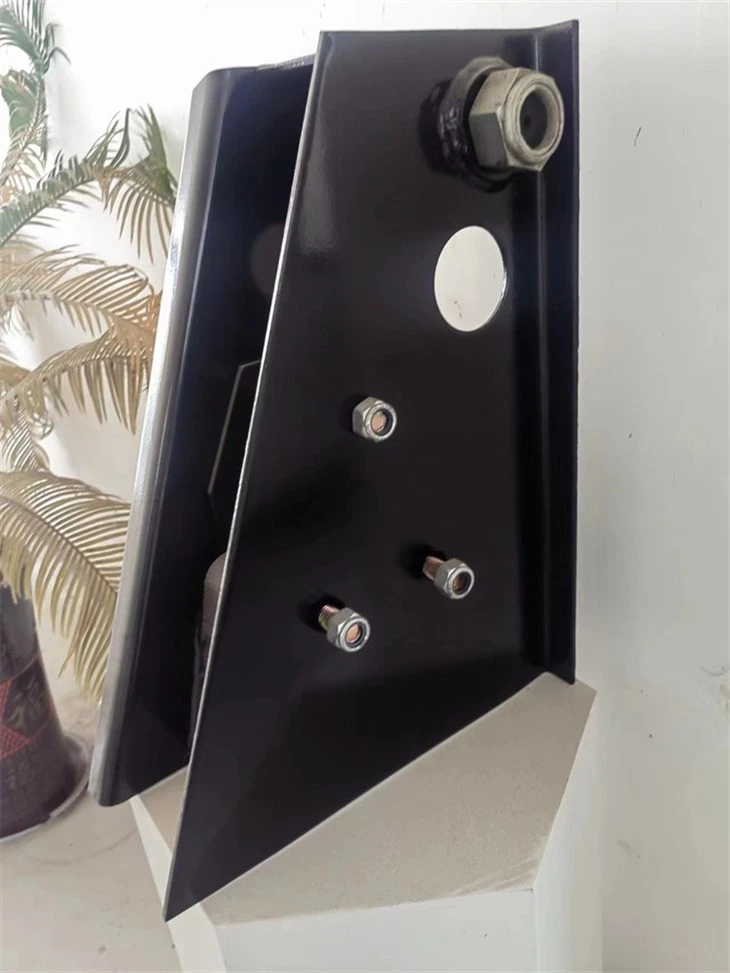
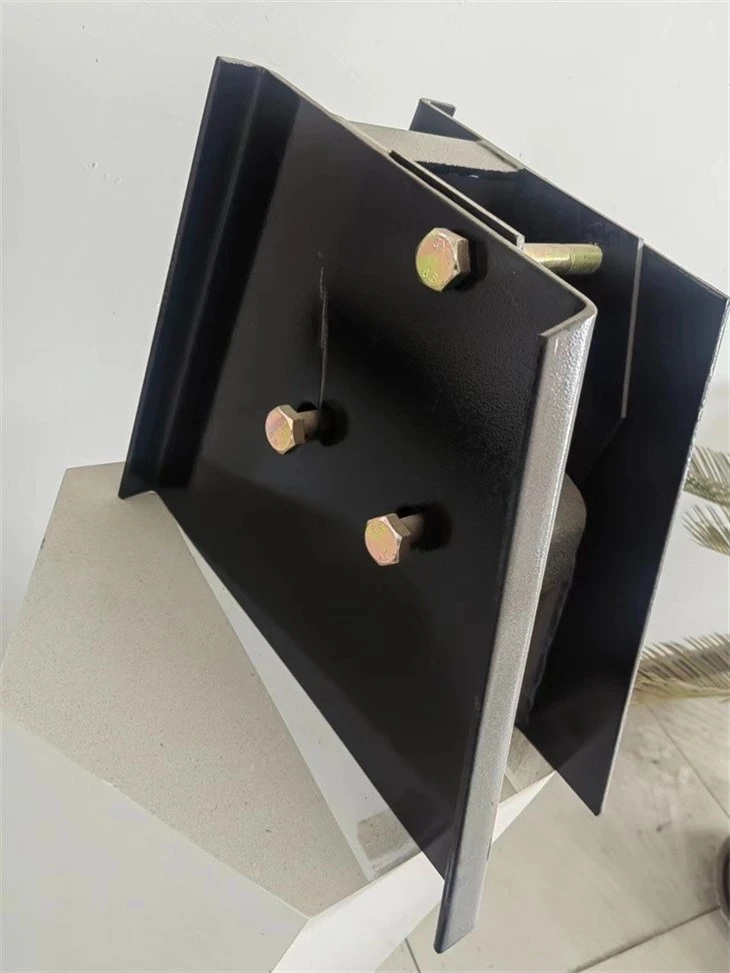
Use corrosion - resistant fasteners. Regular steel bolts can rust quickly in a corrosive environment, so opt for stainless steel or galvanized fasteners. These materials are much more resistant to corrosion and will help keep the equalizing beam securely in place.
Compatibility with Other Components
The equalizing beam doesn't work alone. It's part of a larger suspension system. Make sure it's compatible with other components like the Heavy Duty German Type Suspension, German Type Front Bracket, and German Type Middle Bracket. Incompatible parts can lead to additional stress and wear, increasing the risk of corrosion.
Post - Installation Maintenance
Once the equalizing beam is installed, the work doesn't stop there. Regular maintenance is key to ensuring its long - term performance in a corrosive environment. Inspect the coating regularly for any signs of damage or wear. If you notice any chips or scratches, touch up the coating as soon as possible to prevent corrosion from starting.
Check the fasteners periodically to make sure they're still tight. Loose fasteners can cause movement and vibration, which can damage the coating and expose the metal to corrosion.
Environmental Monitoring
Keep an eye on the environmental conditions around the installation. If the corrosion rate seems to be higher than expected, you might need to take additional measures. For example, if the humidity is consistently high, you could consider installing a dehumidifier in the area to reduce moisture levels.
Training and Support
If you're not experienced with installing German equalizing beams in a corrosive environment, don't hesitate to ask for our help. We offer training and support to ensure that you install the product correctly. Our team of experts can provide you with detailed instructions and answer any questions you might have.
Conclusion
Installing a German equalizing beam in a corrosive environment requires careful planning and attention to detail. By following these precautions, you can ensure that the equalizing beam performs well and lasts a long time. Remember, we're here to support you every step of the way. If you have any questions about the installation process, surface treatment, or maintenance, feel free to reach out to us. We're always happy to help you make the most of our products. Whether you're a professional installer or a DIY enthusiast, we're confident that our German equalizing beams, when installed correctly, will meet your needs in even the toughest corrosive environments. So, if you're in the market for a high - quality equalizing beam, don't hesitate to contact us for more information and to start the purchasing process. We look forward to working with you!
References
- "Corrosion Prevention in Metal Structures" - A technical guide on corrosion and prevention methods.
- "Suspension System Installation Manual" - Our in - house manual that provides detailed information on installing German equalizing beams and related components.


