

What are the performance differences between a domestic and imported trailer suspension?
As a seasoned trailer suspension supplier, I've witnessed firsthand the diverse needs and preferences of our customers when it comes to choosing between domestic and imported trailer suspensions. This blog aims to delve into the performance differences between these two options, providing you with valuable insights to make an informed decision for your trailer.
Ride Comfort
One of the primary concerns for trailer owners is ride comfort, especially for long-haul trips. Imported trailer suspensions often come with advanced shock absorption technologies and high-quality components that can effectively reduce vibrations and impacts from the road surface. For example, some European-made suspensions use sophisticated hydraulic shock absorbers that can adjust to different driving conditions, ensuring a smooth and stable ride.
On the other hand, domestic trailer suspensions have made significant progress in recent years. Many domestic manufacturers have adopted advanced design concepts and production techniques, improving the overall ride comfort of their products. Some domestic suspensions also offer adjustable shock absorbers, allowing users to customize the suspension's performance according to their specific needs. However, in general, the ride comfort of imported suspensions may still be slightly better due to their longer history of development and more advanced technology.
Load Capacity
Load capacity is another crucial factor to consider when choosing a trailer suspension. Imported trailer suspensions are often known for their high load-bearing capacity, which is essential for heavy-duty applications. These suspensions are designed and manufactured to meet strict international standards, using high-strength materials and advanced engineering techniques. For instance, some American-made suspensions can handle extremely heavy loads, making them suitable for large trailers used in the transportation of construction materials or heavy machinery.
Domestic trailer suspensions have also been continuously improving their load capacity. With the development of the domestic manufacturing industry, many domestic manufacturers can now produce suspensions with a relatively high load-bearing capacity. However, compared with imported products, there may still be some gaps in terms of the maximum load capacity and the ability to withstand long-term heavy loads. This is mainly because imported suspensions often have more mature design and manufacturing processes, as well as more stringent quality control.
Durability and Reliability
Durability and reliability are vital for trailer suspensions, as they need to withstand harsh operating conditions and frequent use. Imported trailer suspensions typically have a reputation for high durability and reliability. They are often made from high-quality materials and undergo strict quality testing before leaving the factory. For example, Japanese-made suspensions are known for their precision manufacturing and long service life, which can reduce the maintenance costs and downtime for trailer owners.
Domestic trailer suspensions have also been working hard to improve their durability and reliability. Many domestic manufacturers have introduced advanced production equipment and quality management systems, ensuring the quality of their products. However, in some cases, imported suspensions may still have an edge in terms of durability, especially in extreme environments or under heavy use. This is because imported manufacturers often have more experience in dealing with different operating conditions and can provide more reliable solutions.
Cost
Cost is always an important consideration for customers. Imported trailer suspensions are generally more expensive than domestic ones. This is mainly due to factors such as higher production costs, transportation costs, and import tariffs. However, the higher price of imported suspensions may also be justified by their superior performance, durability, and brand reputation.
Domestic trailer suspensions, on the other hand, offer a more cost-effective option. They are usually more affordable, making them a popular choice for many trailer owners, especially those with budget constraints. Although the performance of domestic suspensions may not be as good as imported ones in some aspects, they can still meet the basic needs of most general trailer applications.
Adaptability to Local Conditions
Domestic trailer suspensions are often better adapted to local road conditions and transportation requirements. Domestic manufacturers have a better understanding of the local market and can design and produce suspensions that are more suitable for the local environment. For example, they can adjust the suspension's stiffness and damping characteristics according to the local road surface conditions, ensuring better handling and stability.
Imported trailer suspensions, although they may have advanced technology and high performance, may not always be fully adapted to local conditions. For example, the road conditions in some regions may be very different from those in the countries where the imported suspensions are designed for, which may affect the performance and service life of the suspensions.
Conclusion
In conclusion, there are several performance differences between domestic and imported trailer suspensions. Imported suspensions generally offer better ride comfort, higher load capacity, greater durability, and reliability, but they also come with a higher price tag. Domestic suspensions, on the other hand, are more cost-effective and better adapted to local conditions, although they may lag behind imported products in some aspects.

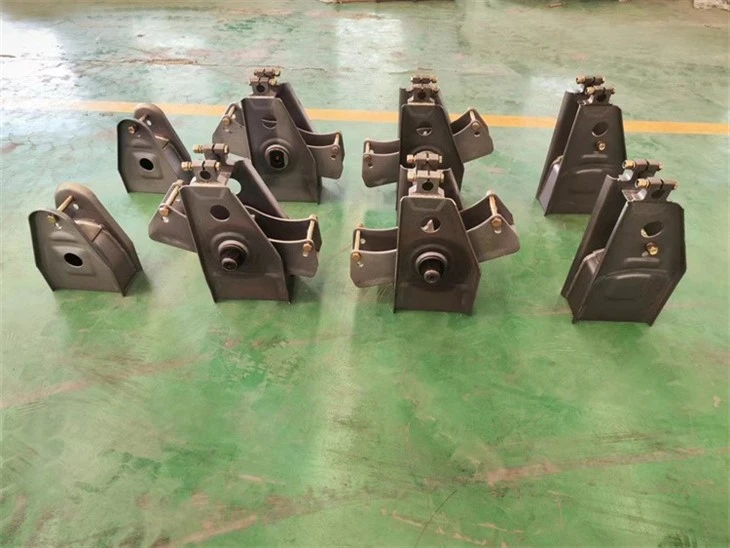
As a trailer suspension supplier, we can offer a wide range of options to meet your specific needs and budget. Whether you choose a domestic or imported trailer suspension, our professional team can provide you with comprehensive technical support and after-sales service.
If you are interested in our Light Duty Suspension or other trailer suspension products, please feel free to contact us for more information and discuss your purchasing needs.
References
- Smith, J. (202X). Trailer Suspension Technology: A Comparative Analysis. Trailer Industry Journal.
- Brown, A. (202X). Performance Evaluation of Domestic and Imported Trailer Suspensions. Automotive Engineering Review.
- Johnson, R. (202X). The Impact of Local Conditions on Trailer Suspension Performance. Transportation Research Journal.


