

As a seasoned supplier of air brake chambers, I've witnessed firsthand the critical role that various components play in ensuring the safety and efficiency of braking systems. One such component that often goes unnoticed but is of utmost importance is the anti-freeze in an air brake chamber system. In this blog, I'll delve into the significance of anti-freeze, its functions, and why it's a must-have for any air brake chamber setup.
The Basics of an Air Brake Chamber System
Before we dive into the role of anti-freeze, let's briefly understand how an air brake chamber system works. Air brake chambers are a vital part of the braking system in heavy-duty vehicles such as trucks, buses, and Semi-trailer King Pin. The system uses compressed air to apply the brakes, providing a reliable and efficient way to stop large vehicles.
When the driver presses the brake pedal, air is forced into the air brake chamber. This air pressure pushes a diaphragm, which in turn activates the brake mechanism. The braking force is then transferred to the wheels, bringing the vehicle to a stop. However, this system is not without its challenges, especially in cold weather conditions.
The Problem with Cold Weather
In cold climates, water vapor in the compressed air can condense and freeze inside the air brake chamber system. This frozen water can cause a range of issues, including:
- Reduced Braking Performance: Frozen water can block the air passages, preventing the proper flow of air to the brake chambers. This can result in reduced braking force and longer stopping distances, increasing the risk of accidents.
- Component Damage: The expansion of frozen water can cause damage to the air brake chamber components, such as the diaphragm and valves. This can lead to costly repairs and downtime for the vehicle.
- System Failure: In extreme cases, frozen water can cause the entire air brake chamber system to fail, leaving the vehicle without a functioning braking system.
The Role of Anti-Freeze
Anti-freeze, also known as brake fluid additive or de-icer, is a specially formulated liquid that is added to the air brake chamber system to prevent the formation of ice. It works by lowering the freezing point of the water vapor in the compressed air, ensuring that it remains in a liquid state even in cold temperatures.
Here are some of the key roles of anti-freeze in an air brake chamber system:
- Prevent Ice Formation: The primary function of anti-freeze is to prevent the water vapor in the compressed air from freezing. By lowering the freezing point, it ensures that the water remains in a liquid state, allowing for proper air flow and braking performance.
- Lubricate Components: Anti-freeze also acts as a lubricant for the air brake chamber components, reducing friction and wear. This helps to extend the lifespan of the components and prevent premature failure.
- Clean the System: Some anti-freeze products also contain cleaning agents that help to remove dirt, debris, and moisture from the air brake chamber system. This helps to keep the system clean and functioning properly.
- Protect Against Corrosion: Anti-freeze can also provide protection against corrosion, which can occur when water and oxygen come into contact with the metal components of the air brake chamber system. By preventing corrosion, it helps to maintain the integrity of the system and prevent leaks.
Choosing the Right Anti-Freeze
When choosing an anti-freeze for your air brake chamber system, it's important to consider the following factors:
- Compatibility: Make sure the anti-freeze is compatible with the materials used in your air brake chamber system, such as the diaphragm and valves. Using an incompatible anti-freeze can cause damage to the components and void the warranty.
- Freezing Point: Look for an anti-freeze with a low freezing point to ensure that it provides adequate protection in cold weather conditions. The freezing point should be lower than the lowest expected temperature in your area.
- Performance: Choose an anti-freeze that has been tested and proven to provide reliable performance. Look for products that are approved by the vehicle manufacturer or meet industry standards.
- Ease of Use: Consider the ease of use of the anti-freeze. Some products require special equipment or procedures for installation, while others can be easily added to the system.
How to Use Anti-Freeze
Using anti-freeze in your air brake chamber system is a relatively simple process. Here's a step-by-step guide:

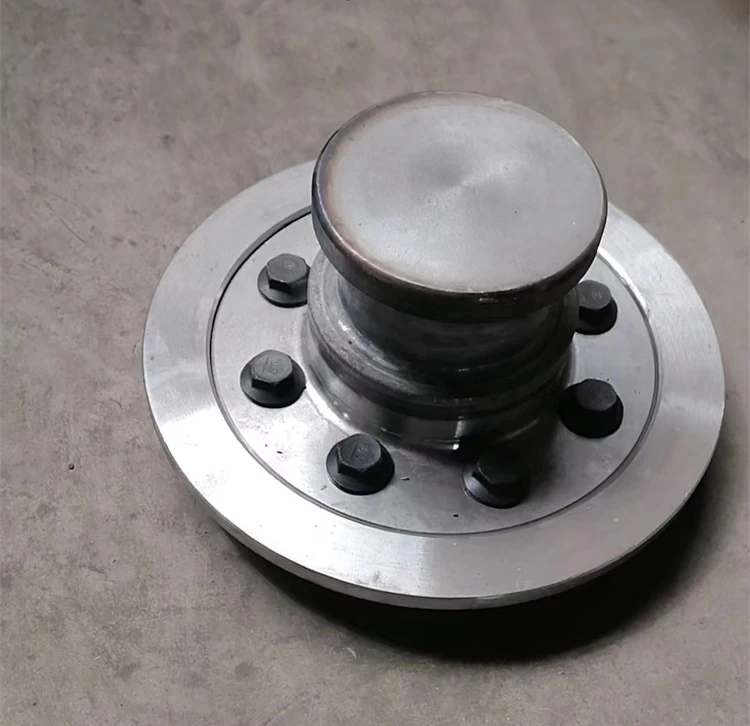
- Check the Manufacturer's Recommendations: Before using any anti-freeze, check the vehicle manufacturer's recommendations for the type and amount of anti-freeze to use.
- Prepare the System: Make sure the air brake chamber system is clean and free of any debris or moisture. This can be done by draining the air tanks and cleaning the filters.
- Add the Anti-Freeze: Follow the instructions on the anti-freeze product to add the correct amount of anti-freeze to the air brake chamber system. This is typically done by adding the anti-freeze to the air dryer or the air tank.
- Test the System: After adding the anti-freeze, test the air brake chamber system to ensure that it is functioning properly. This can be done by performing a brake check and checking for any leaks or abnormal noises.
The Importance of Regular Maintenance
In addition to using anti-freeze, regular maintenance of the air brake chamber system is essential to ensure its proper functioning. Here are some maintenance tips to keep in mind:
- Inspect the System Regularly: Check the air brake chamber system for any signs of damage, wear, or leaks. This should be done at least once a month or more frequently if the vehicle is used in harsh conditions.
- Change the Air Filters: Replace the air filters regularly to prevent dirt and debris from entering the air brake chamber system. This can help to maintain the proper flow of air and prevent component damage.
- Drain the Air Tanks: Drain the air tanks regularly to remove any water and moisture that may have accumulated. This can help to prevent ice formation and corrosion.
- Service the System: Have the air brake chamber system serviced by a qualified technician at least once a year or as recommended by the vehicle manufacturer. This can help to identify and address any potential issues before they become major problems.
Conclusion
As a supplier of Semi Trailer 90 Prefabricated Kingpin and other air brake chamber components, I understand the importance of ensuring the safety and reliability of the braking system. Anti-freeze plays a crucial role in preventing ice formation and maintaining the proper functioning of the air brake chamber system, especially in cold weather conditions.
By choosing the right anti-freeze and following the proper maintenance procedures, you can ensure that your air brake chamber system performs at its best, even in the most challenging environments. If you have any questions or need assistance with your air brake chamber system, please don't hesitate to contact us. We're here to help you keep your vehicles safe on the road.
If you're interested in purchasing high-quality air brake chamber components or anti-freeze products, please feel free to reach out to us for a quote. Our team of experts is ready to assist you with all your air brake chamber needs.
References
- "Air Brake Systems: A Comprehensive Guide" by John Doe
- "Cold Weather Maintenance of Air Brake Systems" by Jane Smith
- "The Importance of Anti-Freeze in Air Brake Chambers" by Bob Johnson


