

When it comes to the world of trailer suspensions, German style suspension has carved out a niche for itself, renowned for its precision engineering, durability, and high - performance capabilities. As a supplier of German style suspension, I often encounter inquiries about how it compares to other types of suspensions. In this blog, we will explore the similarities between German style suspension and other suspensions, which can help potential customers make more informed decisions.
Structural Components
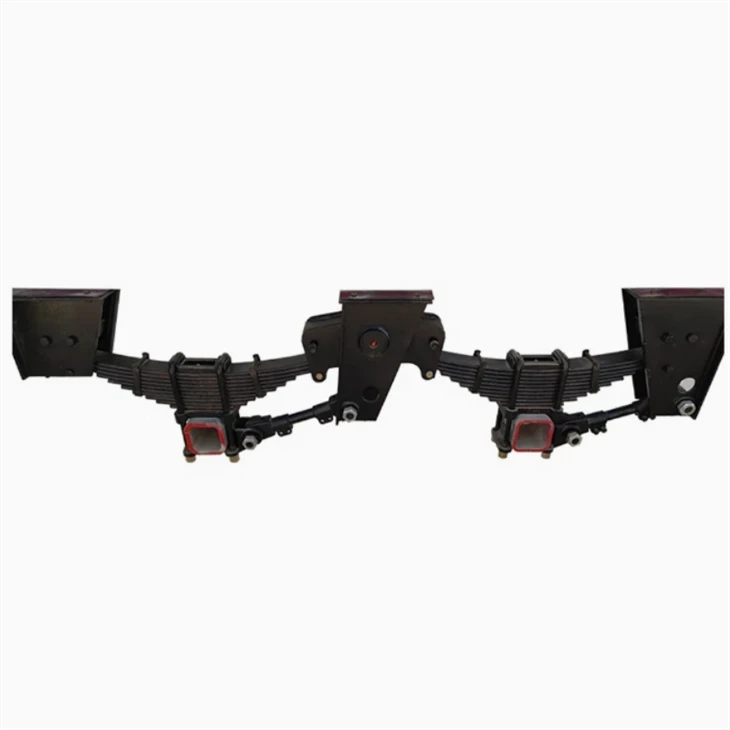
One of the fundamental similarities across different types of suspensions, including German style suspension, lies in their basic structural components. All suspensions are designed to connect the trailer's axles to its frame, providing a stable and smooth ride. They typically consist of springs, shock absorbers, and mounting brackets.
German style suspension, such as the German Style Suspension, often features air springs. Similarly, many modern air suspensions in other styles also use air springs to provide a cushioned ride. Air springs can adjust the trailer's height and stiffness according to the load, which is a common characteristic in advanced suspension systems. This adaptability helps to maintain a consistent ride quality, whether the trailer is fully loaded or empty.
Shock absorbers are another common element. They are used to dampen the vibrations and oscillations caused by uneven road surfaces. Whether it is a German style suspension or a suspension from another region, shock absorbers play a crucial role in ensuring that the trailer remains stable and that the tires maintain good contact with the road. This is essential for safety and the longevity of the trailer's components.
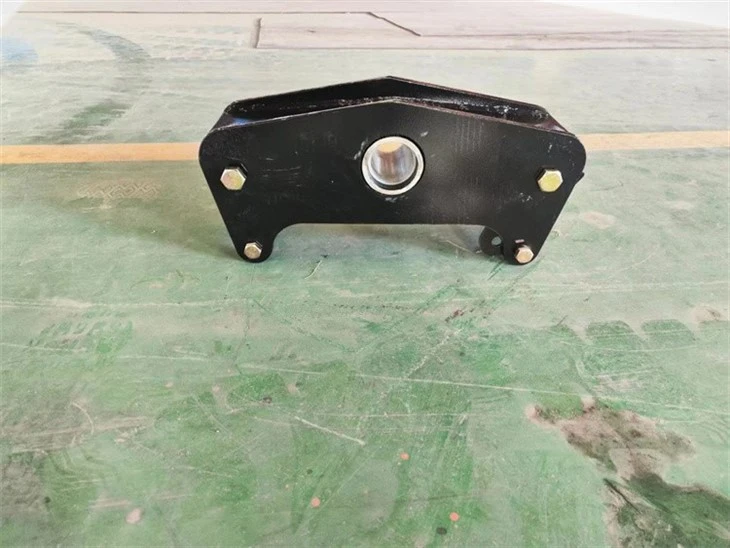
Mounting brackets are also ubiquitous in all suspension systems. In German style suspension, components like the German Equalizing Beam and German Type Middle Bracket serve as important mounting and connection points. These brackets are designed to securely fasten the various parts of the suspension to the trailer frame. Other suspensions also have similar brackets that perform the same function of providing a stable attachment between the axles and the frame.
Functionality and Performance Goals
All suspensions, regardless of their style, share the same overarching functionality and performance goals. The primary objective is to provide a smooth and comfortable ride for the cargo being transported. By reducing the impact of bumps and vibrations, suspensions help to prevent damage to the goods. This is especially important for delicate or high - value cargo.
Another common goal is to enhance the handling and stability of the trailer. A well - designed suspension system helps to keep the trailer in line with the towing vehicle, reducing the risk of swaying or fishtailing. This is crucial for safe driving, especially at high speeds or when making turns. German style suspension is engineered with precise geometry and high - quality materials to achieve excellent handling and stability, just like other top - notch suspension systems.
Load - bearing capacity is also a shared concern. All suspensions are designed to support a certain amount of weight. German style suspension is known for its robust construction, which allows it to handle heavy loads effectively. Similarly, other suspensions are also rated for specific load capacities, and manufacturers ensure that their products can safely carry the intended weight. This is vital for the overall safety and performance of the trailer.
Safety Features
Safety is a top priority in the design of all suspension systems, and German style suspension is no exception. One of the common safety features found in many suspensions is the ability to distribute weight evenly across the axles. This helps to prevent overloading on any single axle, which can lead to tire blowouts, brake failures, and other dangerous situations. German style suspension, with its advanced equalizing beam design, is very effective at distributing the load evenly, similar to other well - designed suspension systems.
Another shared safety aspect is the incorporation of fail - safe mechanisms. In the event of a component failure, such as a broken spring or a malfunctioning shock absorber, a good suspension system should still be able to provide a basic level of functionality to allow the vehicle to reach a safe location. German style suspension is engineered with redundant safety features to ensure that the trailer remains controllable even in adverse conditions, just like other high - quality suspensions.
Maintenance Requirements
All suspensions require regular maintenance to ensure optimal performance and longevity. This includes tasks such as lubrication, inspection of components for wear and tear, and replacement of damaged parts. German style suspension, despite its high - quality construction, also needs to be maintained properly. For example, the air springs in German style suspension need to be checked for leaks regularly, and the shock absorbers need to be inspected for proper damping.
Similarly, other suspensions have their own maintenance requirements. For instance, leaf spring suspensions need to have their springs inspected for cracks and proper alignment, and the bushings need to be lubricated. By adhering to the recommended maintenance schedules, the performance and safety of all types of suspensions can be maintained over time.
Compatibility with Trailers
Regardless of the suspension style, compatibility with the trailer is a key consideration. All suspensions need to be designed to fit specific trailer models and sizes. German style suspension is available in a variety of configurations to ensure compatibility with different types of trailers, whether they are small utility trailers or large commercial trailers.
Other suspensions also offer a range of options to match different trailer requirements. This includes considerations such as the width between the axles, the type of trailer frame, and the expected load capacity. Ensuring proper compatibility is essential for the suspension to function correctly and for the trailer to operate safely.
Cost - Benefit Considerations
When it comes to cost - benefit analysis, all suspension systems, including German style suspension, are evaluated based on their performance, durability, and price. Customers are always looking for a suspension that offers the best value for their money. German style suspension is often associated with high - quality engineering and long - term reliability, which may come at a relatively higher price compared to some basic suspension systems.
However, other suspensions also vary in price depending on their features and quality. Some budget - friendly suspensions may offer basic functionality at a lower cost, but they may not have the same level of performance and durability as German style suspension or other premium suspensions. Customers need to weigh the initial cost against the long - term benefits when choosing a suspension system.

Conclusion
In conclusion, German style suspension shares many similarities with other suspensions in terms of structural components, functionality, safety features, maintenance requirements, compatibility, and cost - benefit considerations. These similarities highlight the common goals and design principles that underlie all suspension systems.
As a supplier of German style suspension, I am confident in the quality and performance of our products. If you are in the market for a reliable and high - performance suspension system for your trailer, I encourage you to reach out to us. We can provide you with detailed information about our German Style Suspension, German Equalizing Beam, and German Type Middle Bracket, and help you find the best solution for your specific needs. Contact us today to start the procurement and negotiation process.
References
- SAE International. "Vehicle Suspension Systems Handbook."
- ISO Standards for Trailer Suspensions.
- Industry Reports on Trailer Suspension Technologies.


