

Air suspension systems have long been a topic of interest in the automotive and trailer industries, not only for their comfort and ride - quality benefits but also for their potential impact on vehicle performance. As an air suspension supplier, I often get asked whether air suspension can improve acceleration performance. In this blog post, I will delve into the science behind air suspension and its relationship with acceleration.
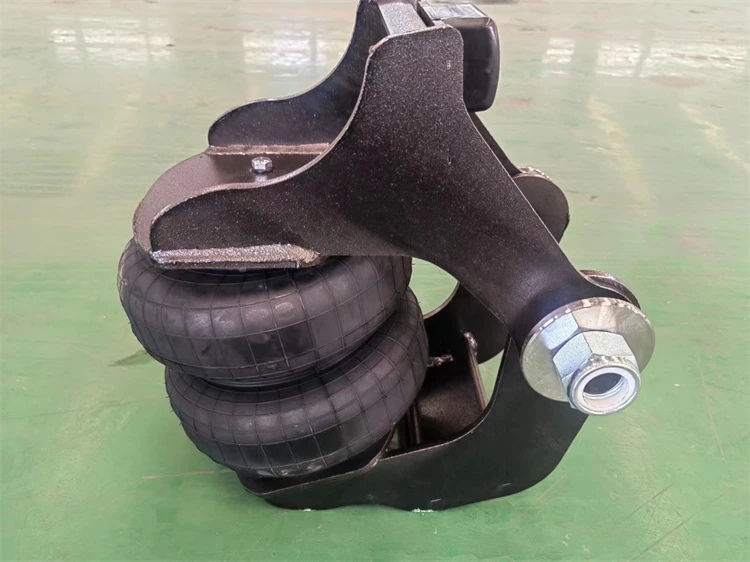
Understanding Air Suspension
Before we discuss its impact on acceleration, let's first understand what air suspension is. Air suspension uses air springs instead of traditional coil or leaf springs to support the vehicle's weight. These air springs are essentially rubber bellows filled with compressed air. The pressure inside the air springs can be adjusted, allowing for a variable ride height and stiffness.
There are different types of air suspension systems available from our company. For example, the Lifting Air Suspension is designed to raise and lower the trailer body, which can be useful in various loading and unloading scenarios. The Air Suspension With Guide Arm provides better lateral stability and control, and the Air Suspension is a general - purpose solution for semi - trailers, offering a balance of comfort and performance.
The Physics of Acceleration
Acceleration is the rate of change of velocity. According to Newton's second law of motion, F = ma, where F is the force applied, m is the mass of the object, and a is the acceleration. In the context of a vehicle or a trailer, the force for acceleration comes from the engine (in the case of a powered vehicle) or the towing vehicle. To improve acceleration, we either need to increase the force or decrease the mass.
How Air Suspension Can Affect Acceleration
Weight Distribution
One of the key ways air suspension can influence acceleration is through better weight distribution. When a vehicle accelerates, weight transfers to the rear wheels. With traditional suspension systems, this weight transfer can be uneven, leading to a loss of traction on the front wheels (in a front - wheel - drive vehicle) or an imbalance in the overall handling.
Air suspension allows for precise adjustment of the ride height and stiffness at each wheel. By adjusting the air pressure in the air springs, we can optimize the weight distribution during acceleration. For example, in a high - performance vehicle, the air suspension can be set to transfer more weight to the rear wheels during acceleration, increasing the traction on the drive wheels. This improved traction means that more of the engine's power can be effectively transferred to the road, resulting in better acceleration.

Reduced Unsprung Mass
Unsprung mass refers to the weight of components that are not supported by the vehicle's suspension, such as wheels, tires, and brakes. A lower unsprung mass is beneficial for acceleration because it requires less force to accelerate. Some air suspension systems are designed to reduce the unsprung mass compared to traditional suspension systems.
The use of lightweight materials in the construction of air springs and associated components can contribute to a reduction in unsprung mass. When the unsprung mass is reduced, the vehicle can accelerate more quickly because the engine doesn't have to work as hard to move these additional weights.
Damping and Traction
Damping is the process of controlling the motion of the suspension. Air suspension systems can offer adjustable damping, which is crucial for maintaining traction during acceleration. When a vehicle accelerates rapidly, the wheels can lose contact with the road surface due to excessive bouncing or vibration.
With adjustable damping, the air suspension can be tuned to provide the right amount of resistance to wheel movement. This ensures that the wheels stay in contact with the road, maximizing traction and allowing for more efficient acceleration. For trailers, proper damping can also prevent excessive swaying during acceleration, which can improve the overall stability and safety of the towing operation.
Factors That May Limit the Acceleration Benefits
While air suspension offers several potential benefits for acceleration, there are also factors that may limit these advantages.
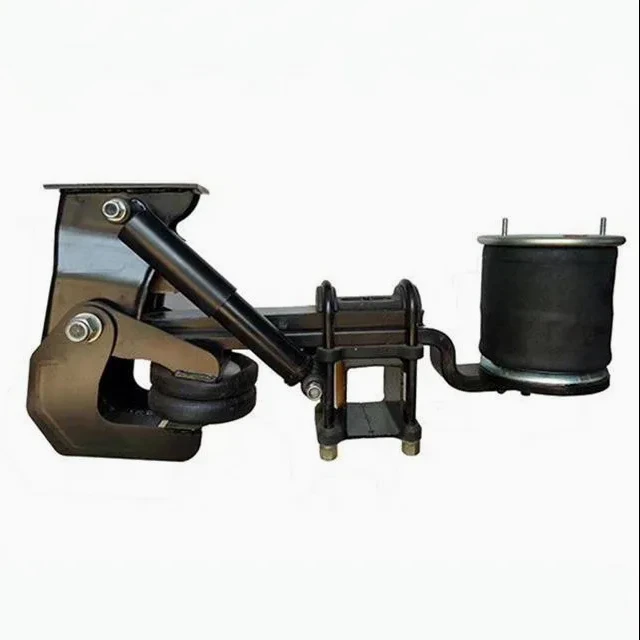
Added Weight
Air suspension systems typically add some weight to the vehicle or trailer compared to traditional suspension systems. This additional weight can offset some of the gains achieved through improved weight distribution and reduced unsprung mass. However, the overall impact on acceleration depends on the specific application and the amount of weight added. In some cases, the benefits of better traction and handling may outweigh the negative effects of the added weight.
Complexity and Cost
Air suspension systems are more complex than traditional suspension systems. They require additional components such as air compressors, valves, and sensors. This complexity not only increases the cost of the system but also means that there is a higher chance of component failure.
If a component in the air suspension system fails, it can lead to a loss of performance, including reduced acceleration. Regular maintenance is essential to ensure the proper functioning of the air suspension system, and this can add to the overall cost of ownership.
Real - World Examples
In the automotive industry, high - end luxury and performance vehicles often use air suspension to enhance their acceleration and overall performance. For example, some sports cars with air suspension can achieve quicker 0 - 60 mph times compared to similar models with traditional suspension systems.
In the trailer industry, air suspension can also improve the acceleration of a towing vehicle - trailer combination. By providing better weight distribution and traction, the towing vehicle can more effectively pull the trailer, reducing the time it takes to reach a desired speed.
Conclusion
In conclusion, air suspension has the potential to improve acceleration performance through better weight distribution, reduced unsprung mass, and improved damping and traction. However, the actual impact on acceleration depends on various factors, including the specific application, the design of the air suspension system, and the trade - offs between the benefits and the added weight and complexity.
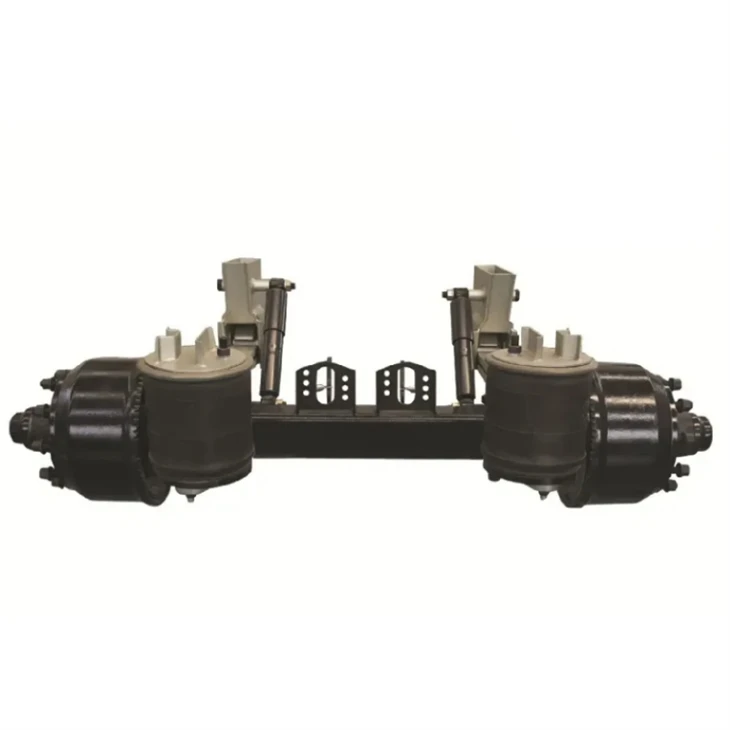
As an air suspension supplier, we offer a range of high - quality air suspension systems that are designed to optimize performance. Whether you are looking for a solution to improve the acceleration of your vehicle or trailer, or simply want to enhance the ride comfort and handling, our air suspension products can meet your needs.
If you are interested in learning more about our air suspension systems or would like to discuss a potential purchase, please feel free to reach out to us. We are ready to assist you in finding the best air suspension solution for your specific requirements.
References
- Milliken, William F., and Douglas L. Milliken. "Race Car Vehicle Dynamics." SAE International, 1995.
- Gillespie, Thomas D. "Fundamentals of Vehicle Dynamics." Society of Automotive Engineers, 1992.
- "Air Suspension Systems: Design, Analysis, and Application." Various industry research papers and technical reports.


