

Hey there! As an axle axle head supplier, I've been in the industry for quite some time, and I often get asked about the standards for axle axle head quality. So, I thought I'd write this blog to share my insights on this topic.
First off, let's talk about why axle axle head quality is so important. The axle axle head is a crucial part of the vehicle's suspension system. It connects the axle to the wheels, and it has to withstand a lot of stress and load. A low - quality axle axle head can lead to all sorts of problems, like poor handling, uneven tire wear, and even safety hazards. So, getting the quality right is a big deal.
Material Quality
One of the most fundamental standards for axle axle head quality is the material used. High - quality steel is usually the go - to choice. The steel should have the right balance of strength and toughness. For example, alloy steels are often preferred because they can be heat - treated to achieve the desired mechanical properties.
The steel needs to be free from impurities. Impurities like sulfur and phosphorus can reduce the steel's ductility and increase its brittleness. So, a good supplier will source steel from reliable mills that have strict quality control measures in place.
Another aspect of material quality is the material's corrosion resistance. Axle axle heads are exposed to all kinds of environmental conditions, including moisture, road salt, and dirt. If the material isn't corrosion - resistant, it can rust over time, which will weaken the axle axle head and shorten its lifespan. Some suppliers use special coatings or treatments to enhance the corrosion resistance of the axle axle heads.
Dimensional Accuracy
Dimensional accuracy is also a key standard. The axle axle head has to fit perfectly with other components in the suspension system, like the wheel bearings and the brake assemblies. Even a small deviation in dimensions can cause problems. For example, if the diameter of the axle axle head is too large or too small, the wheel bearings won't fit properly, which can lead to premature bearing failure.
Precision machining is essential to achieve the required dimensional accuracy. Advanced machining techniques, such as CNC (Computer Numerical Control) machining, are commonly used. These machines can cut and shape the axle axle head with extremely high precision, ensuring that all the dimensions are within the specified tolerances.
Heat Treatment
Heat treatment is a critical process that can significantly improve the quality of the axle axle head. Through heat treatment, the material's hardness, strength, and toughness can be optimized. For example, quenching and tempering are two common heat - treatment processes.
Quenching involves heating the axle axle head to a high temperature and then rapidly cooling it. This process hardens the material. However, quenched steel can be very brittle, so tempering is usually done afterwards. Tempering involves reheating the quenched axle axle head to a lower temperature and then cooling it slowly. This reduces the brittleness and improves the material's toughness.
A good supplier will have a well - controlled heat - treatment process. They'll monitor the temperature, time, and cooling rate carefully to ensure that the axle axle head gets the right heat - treatment.
Surface Finish
The surface finish of the axle axle head is another important factor. A smooth surface finish can reduce friction and wear. It also helps in the proper seating of the wheel bearings and other components. Rough surfaces can cause premature wear of the mating parts and can even lead to noise and vibration.
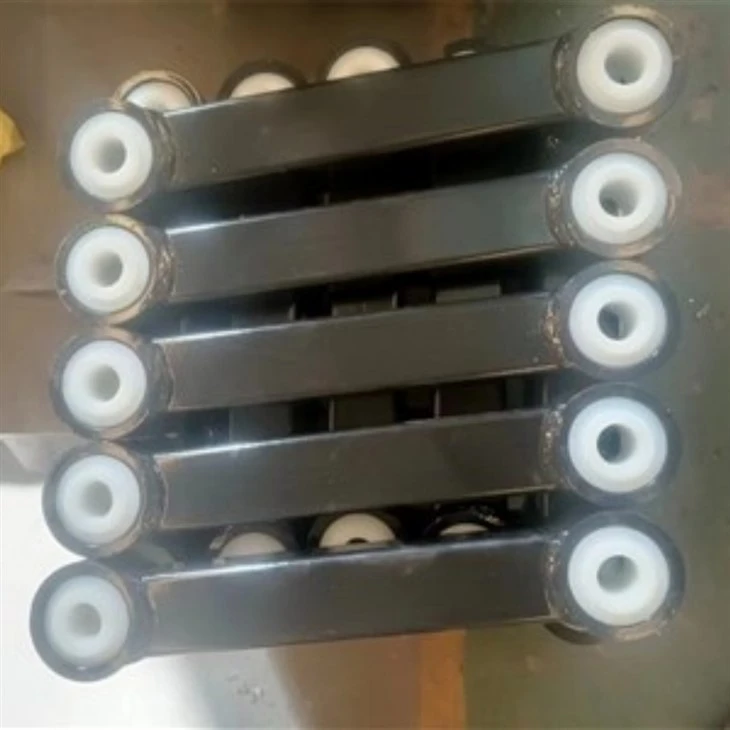
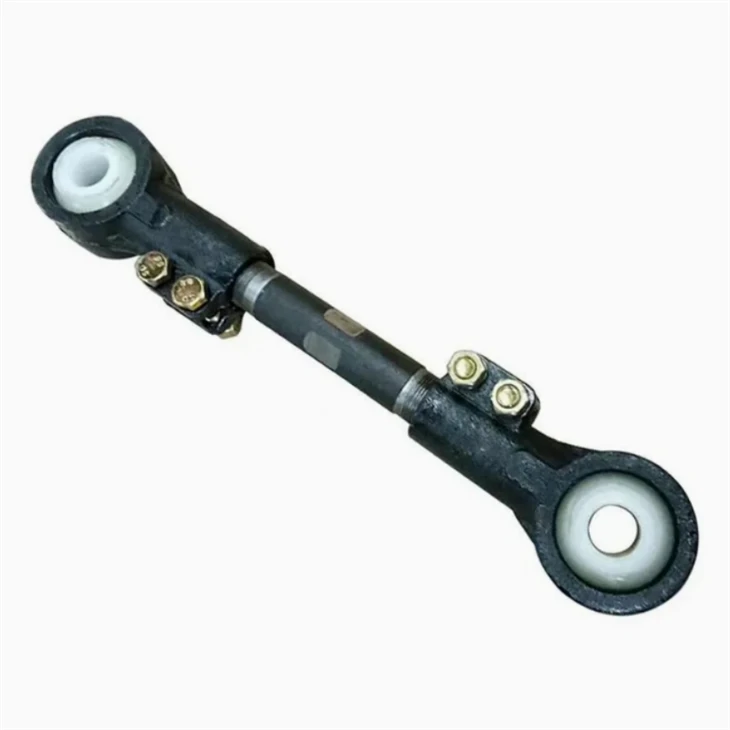
There are different methods to achieve a good surface finish, such as grinding and polishing. After machining, the axle axle head may go through a grinding process to remove any rough edges or tool marks. Then, it can be polished to achieve an even smoother surface.
Fatigue Resistance
Axle axle heads are subjected to cyclic loads during normal vehicle operation. So, they need to have good fatigue resistance. Fatigue failure can occur when the axle axle head is repeatedly loaded and unloaded over time. Cracks can start to form on the surface and gradually grow, eventually leading to a complete failure.
To improve fatigue resistance, the supplier may use design features like fillets and radii at stress - concentration points. These features can reduce the stress concentration and prevent cracks from forming. Also, proper heat treatment and material selection can enhance the fatigue resistance of the axle axle head.
Testing and Inspection
A reliable supplier will have a comprehensive testing and inspection process in place. This includes both in - process inspection and final inspection. During the manufacturing process, the axle axle head will be inspected at various stages to ensure that it meets the quality standards. For example, after machining, the dimensions will be checked, and the surface finish will be inspected.
Final inspection is done before the axle axle head is shipped to the customer. This may involve a series of tests, such as hardness testing, ultrasonic testing, and magnetic - particle testing. Hardness testing can confirm that the heat treatment has been done correctly. Ultrasonic testing and magnetic - particle testing can detect any internal or surface defects, like cracks.
Related Products
If you're in the market for other trailer accessories, I'd like to mention a few related products. You can check out the American Suspension Pull Rod, which is a great addition to your trailer's suspension system. Also, the Aluminum Gas Storage Cylinder is a reliable option for storing gas on your trailer. And don't forget about the Built-in Aluminum Legs, which can provide extra support for your trailer.
Contact for Purchase
If you're interested in high - quality axle axle heads or any of our other products, I encourage you to reach out for a purchase negotiation. We're always ready to discuss your specific needs and provide you with the best solutions. Whether you're a small - scale repair shop or a large - scale vehicle manufacturer, we can meet your requirements.
References
- Smith, J. (2018). Automotive Suspension Systems: Design and Analysis. Publisher: AutoTech Press.
- Johnson, R. (2019). Steel Materials for Automotive Applications. Journal of Automotive Materials, 25(3), 123 - 135.
- Brown, A. (2020). Heat Treatment of Metals in the Automotive Industry. Metal Processing Magazine, 40(2), 45 - 52.


