

Hey there! As a supplier of drum brake bridges for heavy - duty vehicles, I'm super stoked to share with you how these bad boys work. Heavy - duty vehicles, like trucks, buses, and construction equipment, need some serious braking power to keep things safe on the road or at the worksite. And that's where drum brake bridges come into play.
Let's start with the basics. A drum brake bridge is a crucial part of a vehicle's braking system. It's designed to slow down or stop the rotation of the wheels when you hit the brakes. But how does it actually do that? Well, it all boils down to a combination of mechanical and hydraulic principles.
The Anatomy of a Drum Brake Bridge
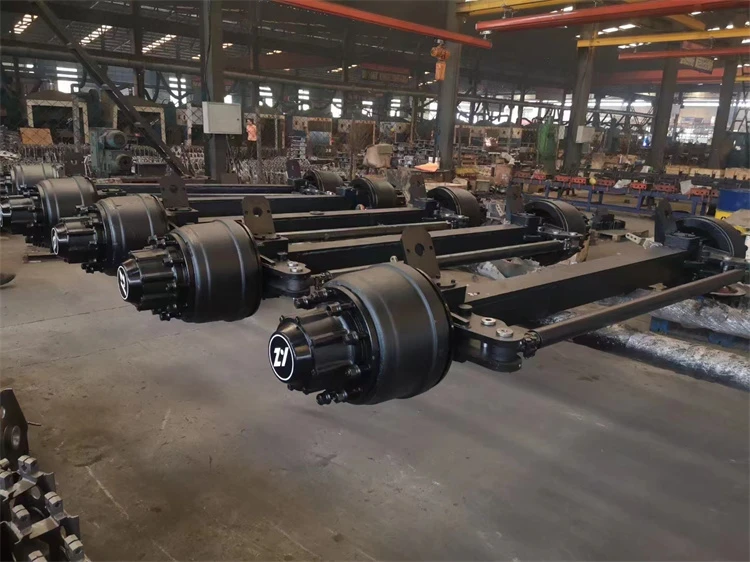
First off, let's take a look at the main components of a drum brake bridge. There are a few key parts that work together to make the braking magic happen.
- Brake Drums: These are the large, circular metal components that are attached to the wheels. When the vehicle is moving, the brake drums rotate along with the wheels.
- Brake Shoes: Inside the brake drums, you'll find a pair of brake shoes. These are curved pieces of metal that are lined with a friction material, usually something like asbestos - free brake lining. When the brakes are applied, the brake shoes are pushed outwards against the inner surface of the brake drums.
- Wheel Cylinders: The wheel cylinders are responsible for pushing the brake shoes outwards. They're small hydraulic cylinders that are located at the top of the brake shoes. When hydraulic pressure is applied to the wheel cylinders, they expand, forcing the brake shoes against the brake drums.
- Return Springs: Once the brakes are released, the return springs pull the brake shoes back to their original position, away from the brake drums. This allows the wheels to rotate freely again.
How the Braking Process Works
Now that we know what the main components are, let's walk through the braking process step by step.
- Applying the Brakes: When you press down on the brake pedal in your heavy - duty vehicle, it activates the master cylinder. The master cylinder is like the control center for the entire braking system. It takes the force from your foot on the brake pedal and converts it into hydraulic pressure.
- Hydraulic Pressure Transfer: The hydraulic pressure generated by the master cylinder is then sent through a network of brake lines to the wheel cylinders in the drum brake bridges. These brake lines are made of strong, flexible materials that can withstand high pressure.
- Brake Shoe Expansion: Once the hydraulic pressure reaches the wheel cylinders, the pistons inside the wheel cylinders start to move outwards. This movement pushes the brake shoes against the inner surface of the brake drums. The friction between the brake lining on the brake shoes and the brake drums creates a resistance force, which slows down the rotation of the wheels.
- Stopping the Vehicle: As the wheels slow down, so does the entire vehicle. The more pressure you apply to the brake pedal, the more hydraulic pressure is sent to the wheel cylinders, and the stronger the braking force becomes. This allows you to control how quickly the vehicle stops.
- Releasing the Brakes: When you let go of the brake pedal, the hydraulic pressure in the brake lines is released. The return springs on the brake shoes then pull the brake shoes back to their original position, away from the brake drums. This releases the braking force, and the wheels can start rotating freely again.
Advantages of Drum Brake Bridges in Heavy - Duty Vehicles
So, why do heavy - duty vehicles often use drum brake bridges instead of other types of braking systems, like disc brakes? Well, there are a few reasons.
- Cost - Effective: Drum brake bridges are generally less expensive to manufacture and maintain compared to disc brakes. For heavy - duty vehicle operators who are looking to keep costs down, drum brake bridges can be a great option.
- High Torque Capacity: Heavy - duty vehicles often need to handle a lot of torque, especially when they're carrying heavy loads. Drum brake bridges are designed to handle high torque levels, making them well - suited for these types of vehicles.
- Self - Adjusting: Many drum brake bridges are self - adjusting. This means that as the brake lining wears down over time, the brake shoes automatically adjust to maintain the proper distance between the brake shoes and the brake drums. This helps to ensure consistent braking performance.
- Better in Mud and Water: In some situations, like off - road driving or in wet conditions, drum brake bridges can be more effective than disc brakes. The enclosed design of the drum brake helps to protect the brake components from mud, water, and other debris, which can improve braking performance in these challenging environments.
Comparison with Other Axle Types
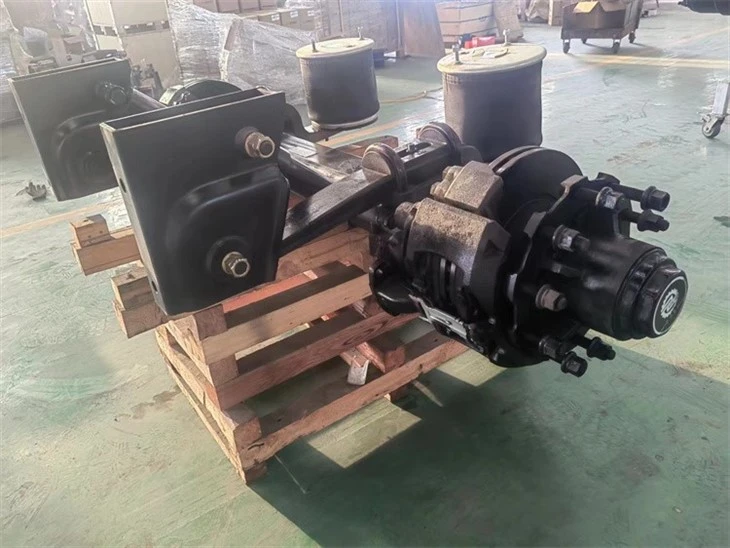
It's also worth comparing drum brake bridges with other types of axles available in the market. For instance, Disc Brake Axl is another popular option. Disc brakes work by using a caliper to squeeze a pair of brake pads against a rotating disc, which is attached to the wheel. They offer faster heat dissipation and better stopping power in high - performance situations. However, they can be more expensive and require more maintenance.
Another option is the Hydraulic Steering Axle. These axles are designed to provide better steering control, especially in large and heavy vehicles. They use hydraulic power to assist with steering, making it easier for the driver to maneuver the vehicle. But they don't have the same braking function as drum brake bridges.
And then there's the Disc - Brake Axle. Similar to disc brakes, disc - brake axles offer improved braking performance and are often used in more advanced heavy - duty vehicles. But again, they come with a higher price tag and more complex maintenance requirements.
Maintenance and Care
To keep your drum brake bridges in top shape, regular maintenance is essential. Here are some tips:
- Inspect Regularly: Check the brake drums, brake shoes, and wheel cylinders for signs of wear and damage on a regular basis. Look for things like cracks in the brake drums, uneven wear on the brake lining, or leaks in the wheel cylinders.
- Replace Brake Linings: As the brake lining wears down, it will need to be replaced. Most manufacturers recommend replacing the brake lining when it reaches a certain thickness. This will help to ensure consistent braking performance and prevent damage to the brake drums.
- Check Hydraulic Fluid: Make sure the hydraulic fluid in the brake system is at the proper level and is clean. Contaminated or low - level hydraulic fluid can cause problems with the braking system, so it's important to check it regularly and top it off or replace it as needed.
- Adjust the Brakes: If your drum brake bridges aren't self - adjusting, you'll need to adjust the brakes periodically to maintain the proper clearance between the brake shoes and the brake drums. This can usually be done using a special adjustment tool.
Conclusion
In conclusion, drum brake bridges are a vital part of heavy - duty vehicle braking systems. They work by using hydraulic pressure to push brake shoes against brake drums, creating friction that slows down and stops the vehicle. With their cost - effectiveness, high torque capacity, and other advantages, they're a popular choice for many heavy - duty vehicle operators.
If you're in the market for drum brake bridges for your heavy - duty vehicles, or if you have any questions about how they work, feel free to reach out. We're here to help you find the right braking solutions for your needs. Let's start a conversation and see how we can work together to keep your vehicles safe on the road.
References
- Automotive Brake Systems Handbook
- Heavy - Duty Vehicle Maintenance Manuals


